
Cayenne pepper is the spark your food has been missing.
This bright red spice packs a punch that can turn any dish from ordinary to extraordinary.
Known for its heat and depth of flavor, cayenne pepper is more than just a way to make your mouth water.
It's a gateway to amping up your meals and adding a fiery kick that'll keep you coming back for more.
Curious to see how you can use cayenne pepper in your kitchen?
What is Cayenne Pepper?
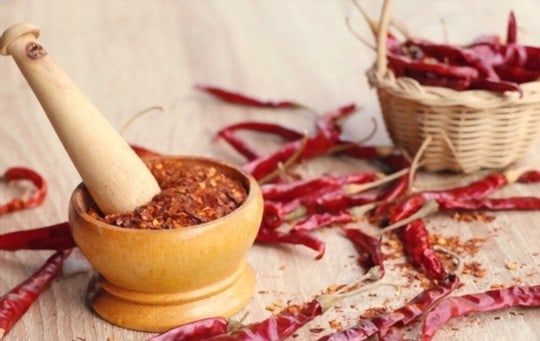
Cayenne Pepper belongs to the capsicum family and is known by the botanical name Capsicum annum.
Most people believe this pepper to have originated from the town of Cayenne, French Guiana.
Others believe it is native to South America.
Today, this pepper has made its way into India, Mexico, Africa, and the United States.
The star factor of this pepper is its heat range- it is eight times hotter than regular chili powder or paprika - see chili powder vs cayenne comparison for heat differences.
Cayenne peppers are popularly preferred for increasing the spiciness while cooking; however, it is still a medium-hot pepper compared with other chilies on the Scoville Heat Scale.
It ranges somewhere between 30000- 50000 Scoville units.
Cayenne pepper occurs in two varieties usually- one being the green chili version and the other the more common red cayenne pepper.
Nowadays, a number of global cuisines have welcomed the cayenne pepper with open arms.
Flavor Profile and Heat Level of Cayenne Pepper
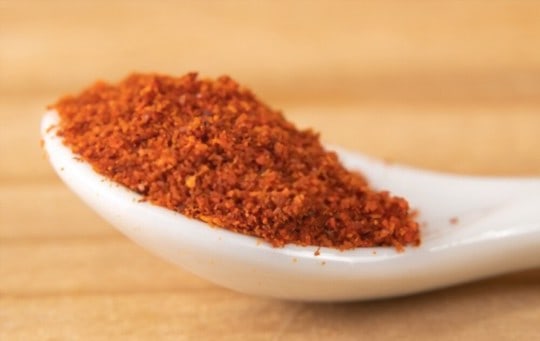
Usually, when we think of peppers, we tend to think of strong, rusty, earthy scents- and fiery taste.
In the case of Cayenne pepper, it is moderately hot- making it ideal for adding to a number of dishes without scaring your dinner invitees off.
Cayenne pepper has a distinct fruity flavor along with its heat factor - similar fruity notes appear in Dr Pepper flavor breakdown and taste notes.
This combination makes it ideal for use in dishes as it goes well with the other flavors.
Cayenne absorbs the flavors of a dish and compliments them to bring out the overall taste.
Capsaicin is the main factor behind the heat factor of cayenne pepper.
Unlike paprika- which is relatively sweeter, cayenne's fruitiness is its star factor.
This allows cayenne to be compatible with a diverse range of dishes and cuisines.
Chart-wise, Cayenne chilies rank slightly below the middle ranges of heat.
In the Scoville Heat Index, they fall roughly between Jalapenos and Thai chili and way below the notorious Carolina Reaper.
Cayenne pepper bypasses jalapenos by ten times the heat factor.
According to a trusted health and wellness site, cayenne peppers are a good source of nutrition as well.
Just one pepper can provide almost half of the daily amount of A vitamin and roughly one-third of the daily amount of Vitamin C.
It also contains generous amounts of Vitamin B6 and Vit K.
It is useful in burning calories, easing pain, aiding enzyme action, and helps in blood pressure maintenance as well.
Adding a sensible amount to your recipes helps to aid many body functions along with improving the taste of said recipes as well.
How To Cook with Cayenne Pepper?
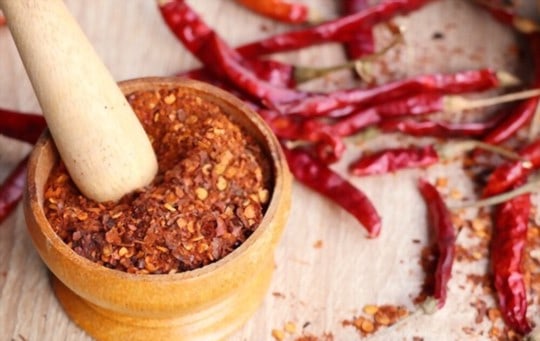
Cayenne chili peppers are thin-walled: which makes them suitable for drying.
This is the reason that mostly, cayenne is sold in dried-and-powered form in the markets.
If you can get your hands on fresh cayenne instead of the dried form, even better.
Slice the fresh cayenne chilies and add to your soups, curries, or stew when they are still cooking.
You can also use fine slices as garnish.
Powdered cayenne can be used in dishes like curries to fusion recipes to even experimental desserts.
Sprinkle it over your classic Mac n' cheese to experience some drama with your palate.
You can also add cayenne pepper to your lemonade to give it an edge; the properties of cayenne and lemon are known to help fight against bad bacteria in the body.
Be careful while handling cayenne, as it might leave a burning sensation on the skin.
Also, keep cayenne out of reach of small children; avoid using cayenne in their food as well.
Make sure to know what amounts of cayenne to use in dishes- otherwise, the taste can become too much to handle.
For quick accompaniments that stand up to spicy seasonings, try 22 veggie sides that cook in under 12 minutes.
Cooking Tips for Using Cayenne Pepper
Cayenne pepper is majorly found in Mexican cuisine, but it can be incorporated into other cuisines easily.
The trick is to know the right amount and what flavors it will suit best.
With the right knowledge of peppers and their moderation, any recipe can become a star.
Many experimental dishes have become a hit owing to the right kind of heat and spiciness.
You can use cayenne in your own unique style to improve the taste of your recipes and impress at the dinner table.
Frequently Asked Questions
Known for its heat and depth of flavor, cayenne pepper is more than just a way to make your mouth water. Keep reading to unlock the secrets of this spicy marvel.
Usually, when we think of peppers, we tend to think of strong, rusty, earthy scents- and fiery taste.
Several foods share flavor notes with Cayenne Pepper. Tasting similar items side by side is the easiest way to map out what you enjoy and find new favorites.
Can you adjust the intensity of the flavor?
Yes.
Pairing it with acidic, sweet, or fatty components shifts the perceived intensity.
A squeeze of citrus brightens mild flavors, while fats like butter or oil mellow sharper ones.
Avoid pairings that clash with its dominant flavor note. Competing intensities - very sweet with very sour, or heavy with delicate - tend to obscure rather than go with the taste.
If condiments are on the menu, Whataburger creamy pepper sauce flavor guide outlines what to expect. For an unusual comparison, what does pepper spray taste like? safety and flavor notes explains the stark differences.