
Sashimi is art on a plate, a slice of the ocean's bounty served raw and real.
It's all about the freshness, the texture, and that subtle dance of flavors that hits you with each bite.
Some say it's an acquired taste, while others find it love at first bite.
Either way, sashimi brings a unique dining experience to the table, inviting you to savor seafood in its most form.
This isn't just food; it's a celebration of simplicity and sophistication, crafted for those who appreciate the finer, unadulterated tastes of life.
What is Sashimi?

One of the well-known dishes relished in the west is sashimi, apart from sushi.
This dish is simple and consists of only one ingredient which is raw fish.
Popular fishes used to make sashimi are salmon, mackerel, tuna, and yellowtail.
Here fresh raw fish is sliced and served to the customer without adding other ingredients to the dish.
Sashimi is sliced in three ways:
- Rectangular slice (Hira-zukuri).
- Angled slice (Usu-zukuri).
- Square slice (Kaku -zukuri).
Among this three, Hira-zukuri is the most common way to slice the fish and is best for kingfish, tuna, and salmon.
Usu-zukuri is the most complex and challenging among these three cuts.
Here the fish is sliced extremely thin, making it look almost translucent.
In restaurants, Kaku-zukuri is one of the popular styles of slicing fish and emphasize more on presentation.
Here fish are cut into small thick cubes.
A light citrus squeeze sometimes accompanies sashimi; lemon pairing ideas for desserts can inspire complementary citrus choices.
What Does Sashimi Taste Like?
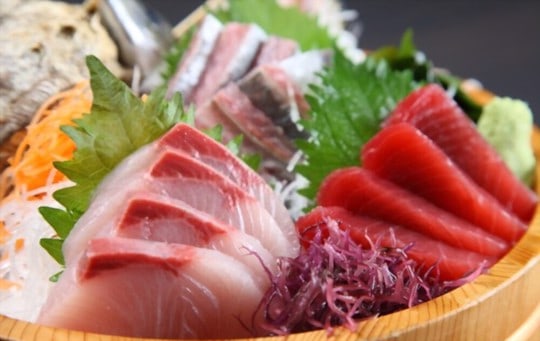
Sashimi has a refreshing and subtle taste, surprisingly - similar to descriptions in acai berry taste guide details.
And we know that some of you might be skeptical about having raw fish.
However, we assure you that it tastes incredible, especially if you pair it with soy sauce or wasabi.
Also, it doesn't have a fishy smell which we know that most of you have already formed opinions in your head.
Regardless, give it a shot to answer your curiosity, and it's no harm in trying out a new dish.
Also, it has excellent nutritional value as fish is known to be a good source of protein.
It also contains omega-3 fat known for reducing heart disease.
Having raw fish holds higher nutrients consisting of more vitamins and minerals than cooked fish.
Common ingredients for making sashimi are fatty tuna, salmon, sea urchin, squid, mackerel, and scallop.
The taste may vary for different fishes, but it's light and refreshing.
Do you know that sashimi also consists of different ingredients apart from fish? You can make this dish from raw meat and vegetables.
However, fish-based sashimi is more popular and favored among the masses.
If you're new, we recommend starting with seafood sashimi as it's safer compared to meat.
Best Way to Cook and Serve Sashimi
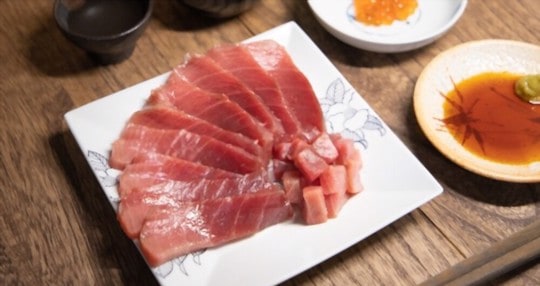
Sashimi is served raw and fresh, so there is less involvement in cooking, rather given importance on how it's sliced.
Also, the seafood should be fresh and not kept too long in the freezer.
And, there is another form of sashimi worth trying if you can't set your mind to having a fully raw fish.
Tataki is a cooking method where a chef sears the exterior of the fish and leaves the inside raw.
Note that some seafood can't be eaten raw and is served cooked.
It includes crab meat, tiger shrimp, freshwater eel, and octopus.
Sashimi is often served with wasabi, pickled ginger, and soy sauce.
This sauce blends well with the dish and enhances the taste.
One of the interesting aspects of serving wasabi with sashimi is that it kills harmful parasites and bacteria that might be present in the raw fish.
Fish found in freshwater is more prone to parasites compared to saltwater.
Hence, you will see chefs using fish obtained from saltwater for making sashimi.
We know some of you are doubtful about having raw seafood, and your doubts are valid.
However, taking necessary measures, including proper inspection of fish, fresh fish, and more, will help reduce risk.
Ensure your kitchen surface and utensils are clean to prevent cross-contamination if you plan to make it at home.
It's also advisable to have raw seafood in moderation.
Plus, if you have a weak immune system, it would be better to skip this dish.
Light, quick vegetable sides complement sashimi beautifully - 22 veggie sides under 12 minutes lists fast, tasty options.
How to Enjoy Sashimi Flavors
Sashimi is a delicacy relished by Japanese people and pretty popular globally too.
Having raw food can be pretty nerve-wracking initially, but once you get the hang of it, you will love them.
Trying out sashimi would be perfect if you like to give your palate a refreshing flavor.
It has a subtle and fresh taste, and it's nutrient-dense.
Also, it's advisable to take precautionary notes and proper inspection before having this dish to be on the safe side.
Frequently Asked Questions
It's all about the freshness, the texture, and that subtle dance of flavors that hits you with each bite. Some say it's an acquired taste, while others find it love at first bite.
This isn't just food; it's a celebration of simplicity and sophistication, crafted for those who appreciate the finer, unadulterated tastes of life.
Several foods share flavor notes with Sashimi. Tasting similar items side by side is the easiest way to map out what you enjoy and find new favorites.
Can you adjust the intensity of the flavor?
Yes.
Pairing it with acidic, sweet, or fatty components shifts the perceived intensity.
A squeeze of citrus brightens mild flavors, while fats like butter or oil mellow sharper ones.
Avoid pairings that clash with its dominant flavor note. Competing intensities - very sweet with very sour, or heavy with delicate - tend to obscure rather than go with the taste.
Nutritional and serving differences are covered in nigiri vs sashimi comparison. Complementary side suggestions appear in sashimi side dishes list.