
Ever wonder what kiwis taste like? Picture this: you chomp into a kiwi and bam, it's like sweet, yet tangy sunshine dancing in your mouth.
These little fuzzy fruits pack a punch of flavor that's hard to pin down. Imagine a mash-up of strawberries, bananas, and a hint of citrus-all wrapped up in one juicy bite.
Kiwis are not just a treat to your palate; they're a bright green surprise waiting to make your day a bit brighter.
What are Kiwis?
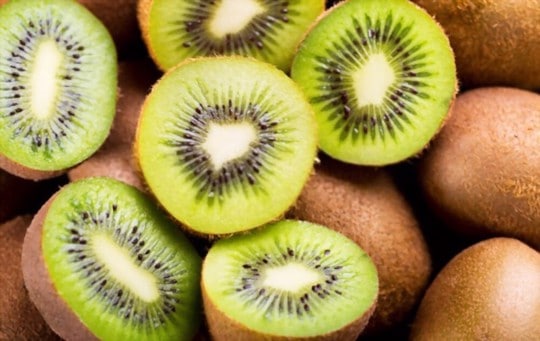
Kiwifruit, usually shortened to kiwi, is an edible berry that belongs to the Actinidia family.
There are around 60 species in this family, most of which can easily be recognized as kiwifruit due to their shape and appearance.
There are three main types of kiwis, namely the Kiwi berries, Fuzzy Kiwifruit, and Actinidia Chinensis (a.k.a yellow or golden kiwi).
The fuzzy kiwis, also known as grocery store kiwifruits, are the most edible and popular ones worldwide.
They're also commonly available. Did you know?
Fuzzy kiwis are considered the national fruit of China, along with jujube.
Owing to their Chinese origin, kiwis were first known as Yang Tao.
But as the cultivation of kiwi spread to New Zealand in the 20th century, the fruit picked up the name "Chinese Gooseberries".
Fast forward to today, the fruit is known as "kiwifruit," named after New Zealand's national bird.
Kiwis are marked by their light brown skin, emerald-green flesh, and tiny, black seeds.
The flesh, seeds, and skin are all edible.
However, most people tend to cut the skin off before consumption.
Kiwifruit's bright tang works well with citrus in sweets; see lemon dessert pairings and options for compatible flavors.
What Do Kiwis Taste Like?
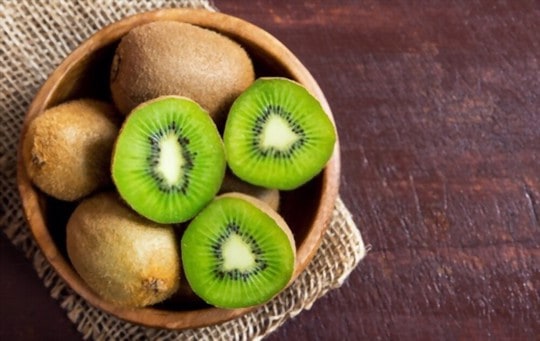
The best kinds of kiwis tend to have fuzzy hairs on their skin and taste exceptionally delicious.
Their appearance might not be the most appetizing, but just get through the skin to reveal their striking green flesh, and you'll get to enjoy the sweet and refreshing flavors of this fruit.
Kiwis are juicy and soft.
They have a slightly acidic flavor, filled with sweetness with a hint of tanginess.
However, the flavor of kiwis may change depending on their type and how to eat them (raw or cooked).
Some people also say that kiwis taste like a mixture of pineapple and strawberry - for a comparison to another berry's flavor, see acai berry flavor reveal guide.
- Three Types of Kiwis and Their Flavors:
The most popular kind, fuzzy kiwis, are marked by their dull brown, fuzzy skin and bright green insides.
They have a sweet taste, and their innermost core is usually tough.
Kiwi berries are comparatively larger and taste similar to fuzzy kiwis.
They're also known as grape kiwi, kiwi berry, dessert kiwi, cocktail kiwi, or baby kiwi.
Lastly, the yellow kiwis (Actinidia chinensis) have bronze-colored skin with intense yellow flesh.
Flavor-wise, they tend to be sweeter and more aromatic.
They are high in dietary fiber and vitamin C.
Additionally; kiwis are also rich in antioxidants and vitamins.
Hence, they are ideal for healthy heart, immunity, and digestive health.
Kiwis are also an excellent source of iron and carotenoids.
On average, one serving of kiwis (about 140 grams) contains 90 calories, 5g fiber, 15g sugar, 1g protein, 21g carbs, and 1g fat.
How to Cook and Use Kiwis?
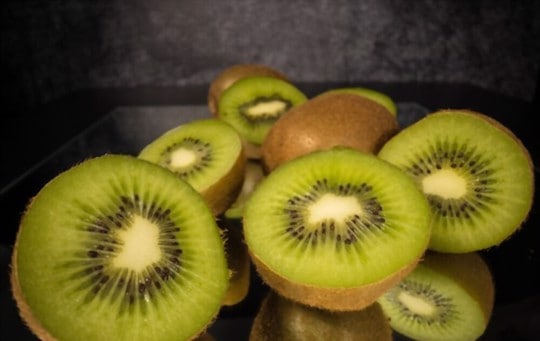
Prized for its unique texture and sweet-tangy flavor, kiwis are a versatile fruit that you can use in several ways.
There's no wrong way of eating kiwis.
You can either eat them raw or cooked.
However, the fruit is best enjoyed raw, as cooking it may mess with its flavor, texture, and vitamin content.
Adding kiwis to your dishes is also a great way of adding some extra flavor, especially in desserts.
One of the best ways of using kiwis in cooking is to use them as a marinade for your steaks.
Kiwis contain enzymes that can help tenderize a tough piece of meat.
Just chop some kiwis and rub them around the meat.
Set aside for a while and put it in the oven.
Another way of cooking kiwi is to make a delicious kiwi cobbler.
All you need to do is mix some kiwi, lemon juice, muffin mix, nutmeg, brown sugar, and flour.
Once cooked, serve with cold yogurt, and enjoy.
For quick vegetable accompaniments that match fruit-forward mains, see quick veggie sides under 12 minutes.
Final Thought
With that, we come to the end of our post on kiwis.
Go grab some of these fruits from your local grocery store.
You can make a delicious kiwi smoothie to beat the summer heat or make a sweet kiwi pudding to enjoy after a filling meal.
Incorporating this fruit into your diet will excite you with refreshing flavors and benefit your health in many ways.
Kiwifruit's bright flavor pairs with other fruity profiles - acai berry flavor reveal guide explores a different berry's profile. quick veggie sides under 12 minutes lists fast vegetable accompaniments that can round out a kiwi-forward meal.
Frequently Asked Questions
Ever wonder what kiwis taste like? Picture this: you chomp into a kiwi and bam, it's like sweet, yet tangy sunshine dancing in your mouth.
These little fuzzy fruits pack a punch of flavor that's hard to pin down.
Some people enjoy Kiwis right away while others need a few tries. The flavor can grow on you, especially when paired with familiar ingredients in a dish you already like.
Does it taste different depending on how it is prepared?
Preparation makes a significant difference.
Raw, roasted, fried, and steamed versions each bring out different qualities - sweetness, bitterness, earthiness, or richness - in the same ingredient.
Yes. Different cultivars, origins, or processing methods produce meaningful flavor differences.
If one version did not appeal to you, trying a different variety is worth the effort.