
Ever bitten into a pickled beet and paused for a moment, trying to figure out exactly what it is you're tasting? You're not alone.
These bright veggies pack a punch with their unique blend of tangy and earthy flavors.
Picture a blend of sweet, sour, and deep, grounding earthiness all rolled into one. It's kind of like nature's own candy, but with a twist.
Get ready to discover why these colorful treats might just become your new go-to snack or side dish.
What are Pickled Beets?
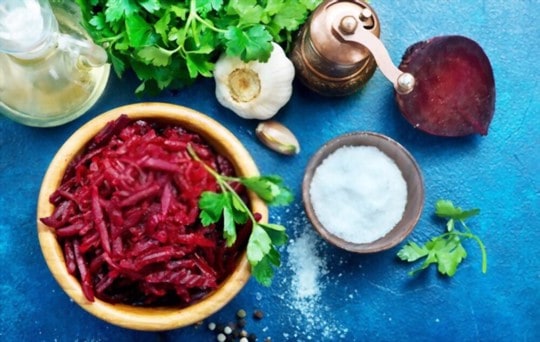
As the name suggests, pickled beets are beetroot that has gone through fermentation, which is achieved by soaking chopped beets in an acidic solution or brine for a few days.
Contrary to popular belief, beets hardly taste like dirt.
This notion was born out of the earthy aroma of the beets, but the actual flavor of beets is mildly sweet and almost bland.
The trick is to wash them properly since they are root vegetables, and dirt can get stuck to them when harvesting.
Beets have a similar taste to other vegetables like mushrooms and spinach, so if you're already accustomed to these types of vegetables, beets would be a delight for you.
But when it comes to pickled beets, the flavor changes according to what you decide to add into the brine - try pickled garlic taste guide for one tangy option.
For example, if you were to add chillies to your pickle water, you'll end up with spicy pickled beets.
Likewise, if you use a lot of sugar in your brine, your pickle will taste pleasant.
The most common concoction for pickling beets is a good mixture of vinegar, salt, and sugar.
This is the classic pickled beets flavor that you'll find at almost any convenience store.
But it's so simple that you can make them at home.
What Do Pickled Beets Taste Like?
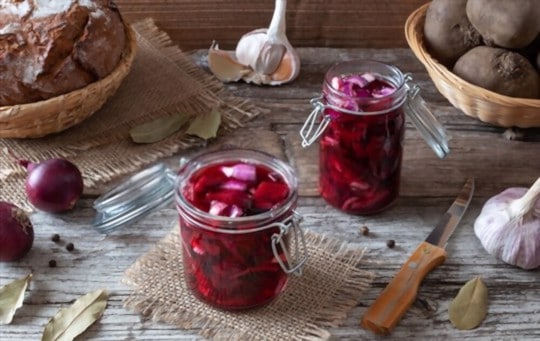
Pickled beets have a variety of flavors depending on what ingredients are used for pickling them.
Pickled beets will have a sweet and sour flavor using the normal brine water - a similar sweet-tart balance appears in pickled plums taste notes.
The more sugar you add to the brine, the more enhanced will be the sweetness of the pickled beets.
You can also pickle beets with garlic and dill, which takes away the natural, earthy flavor of the beets and replaces it with the garlic and dill flavor.
The result will be a savory taste with a hint of natural sweetness from the beets.
Because this dish is pickled, you'll get a tangy aftertaste due to fermentation, but it pairs well with other main dishes, especially greasy and fatty ones.
You may also find spicy pickled beets, in which chili is used for the germ ration process.
This is a famous relish added to coleslaw, tacos, and burritos for that kick of taste.
How to Cook and Use Pickled Beets?
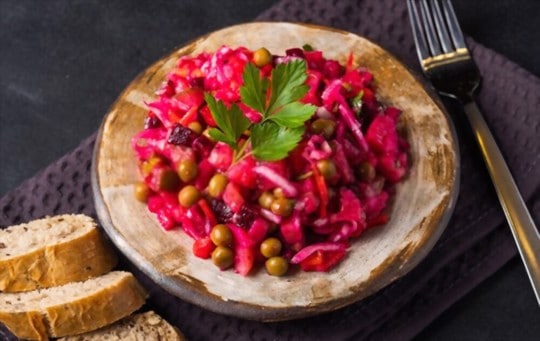
Beets have a nice crunch to them and are juicy with their signature deep purple color when they are.
Cooking beets is a harrowing ordeal because you have to deal with the juices that can get messy.
They are also known to stain your clothes, skin, and anything else it comes in constant with, so you have to be very careful when cooking with beets.
You can also cook beets without peeling them to retain their juices.
You can peel it off after cooking, which will be less messy.
The best pickled beets are made with less sugar and more on the tangy side, a profile that resembles pickled eggs flavor profile in many recipes.
You can use ingredients like dill, rosemary, vinegar, and other acidic vegetables.
The pickle will still have a mild sweetness because the beets are naturally sweet, but the more overwhelming taste will be of the citrusy acid.
It works as an excellent side dish due to its flavor.
You can even mix it with your fresh vegetable salad to give you a nice burst of flavors.
Now for the real question- are pickled beets healthy for you? Yes, pickled beets are very nutritious.
Because of the fermentation process, you are left with a jar full of probiotics that improve your gut digestion because of the fermentation process.
It also works to ward off toxins in the body and reduces the risk of constipation and feeling bloated.
Because of the vinegar in the pickle, this dish can help with blood sugar management, sugar health and prevent diseases because of its high antioxidant content.
Final Thought
Pickled beets are popularly used as a side dish or even as a garnish for other dishes such as tacos, burritos, and hamburgers.
Because the fermented, tangy, and acidic flavor of the pickled beets is an excellent palate cleanser when you're eating foods that are heavily packed with fats and protein.
Tangy and sweet notes appear across pickled ingredients: pickled ginger flavor guide shows how sweetness balances tang, and beets flavor breakdown dives into beet earthiness.
Frequently Asked Questions
Picture a blend of sweet, sour, and deep, grounding earthiness all rolled into one. Contrary to popular belief, beets hardly taste like dirt.
This notion was born out of the earthy aroma of the beets, but the actual flavor of beets is mildly sweet and almost bland.
Some people enjoy Pickled Beets right away while others need a few tries. The flavor can grow on you, especially when paired with familiar ingredients in a dish you already like.
Does it taste different depending on how it is prepared?
Preparation makes a significant difference.
Raw, roasted, fried, and steamed versions each bring out different qualities - sweetness, bitterness, earthiness, or richness - in the same ingredient.
Yes. Different cultivars, origins, or processing methods produce meaningful flavor differences.
If one version did not appeal to you, trying a different variety is worth the effort.