
Masala is a solid option in the kitchen.
This blend of spices kicks any dish up a notch, turning simple ingredients into tempting meals.
Ever wonder what makes Indian cuisine so irresistible? The secret's in the masala.
With a mix that can include anything from cumin to cardamom, each masala blend is unique, carrying its own signature vibe.
It's not just about the heat; it's about depth, aroma, and that cozy warmth that follows a good meal.
Whether you're a pro chef or just getting started, understanding masala will totally transform your cooking.
Ready to find out what masala tastes like and how to use it in your next kitchen experiment?
What is Masala?
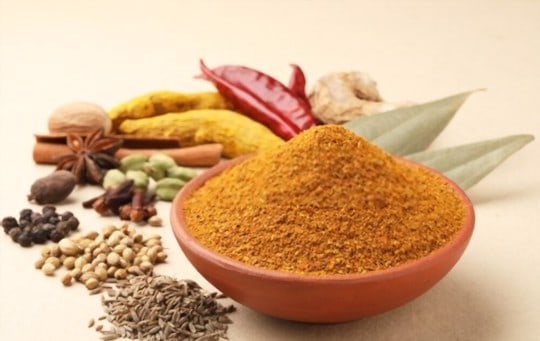
In simple words, masala is a mixture of spices.
It can have just two or three or even ten to twenty spices in one masala blend.
The spice blend originated in India and is popular in Indian, Nepalese, Pakistani, Bangladeshi, Sri Lankan, and Caribbean cuisine today.
It's used alone or with other seasonings.
But with the world becoming a global village, more people know about masalas now, and they are keen to experiment with them.
Chefs, home cooks, and culinary enthusiasts are also using masala in many of their dishes.
The common spices in a typical masala include cloves, black and white peppers, cardamom, cinnamon, bay leaves, fennel, red chili pepper, coriander, cumin, and mace.
Some may also contain nuts, onion, and garlic powder.
The masala mixture, however, varies from region to region, depending on what spices the natives prefer most.
So, some types may be hotter than others.
If using masala in sweeter applications, explore the lemon dessert pairing ideas to see which flavors balance bright citrus notes.
What Does Masala Taste Like?
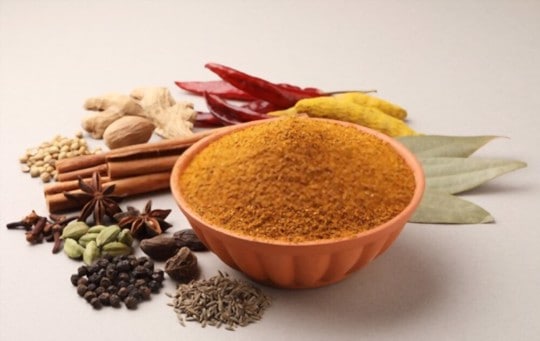
If you expect masala to taste like one particular ingredient, you will be disappointed.
It doesn't because several spices make a masala.
It may, of course, have a similar aroma to one specific spice but not the taste.
While masala refers to a mixture of ground spices, you can also use the spices in their natural state in the dishes that you make.
However, you have to limit the amount of each ingredient, or it can overpower the whole dish.
If the masala is to be compared with any other item, it may be similar to the Chinese five spices.
However, the latter has a sweeter note, while masala is a blend of different flavors and leans more towards heat.
It's very likely that the masala which is most popular around the world is garam masala which translates to 'hot' or 'warming' spices.
The name comes from the fact that the spices warm up your body and accelerate metabolism.
What's interesting about masala is that you can make your favorite blend even at home.
If you know which spices are usually present in the masala, you can buy the spices and ground them at home to make a unique product.
You can even buy masalas that contain only one spice-like coriander, black pepper, ginger, etc.
If you can't get the blended masala pack, you can buy different ground spices and mix them.
The taste of masala depends on which spices you use and where you buy it.
For instance, masala in north India is aromatic and mild, while in the south, it's hotter.
However, you will have all the flavors, including sweet, tangy, hot, and earthy, with plenty of fragrance.
- Nutritional Value of Masala.
A 1g serving of garam masala by Deep Foods Inc.
Has 4 calories with some protein, carbs, and fats.
Masala doesn't only add flavor but also offers a number of health benefits.
It boosts metabolism, fights bloating and bad breath, and fights inflammation.
But the benefits also depend on the spices used.
For a very different flavor profile comparison, read the acai berry taste guide explained to see how fruit-forward notes contrast with spice blends.
How to Use and Cook with Masala?
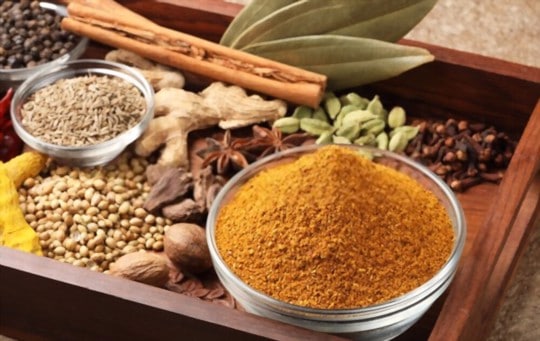
It's fascinating to talk about this subject because there are so many things that you can do with masala, as mentioned in the beginning.
While it's an essential item in curries, you can use it in many other things.
If you are using whole spices, it's best to use the masala at the beginning of the cook.
However, if you are using the masala powder, use it towards the end of the cook.
Since the spices are already toasted and ground, it doesn't need to cook more.
You can use masala to make dishes such as chana masala, dal makhana, biryani, chicken tikka masala, saag paneer, sambar, aloo gobi, etc.
You can also try masala chai or masala tea; it's a favorite beverage in many places.
When using masala, just make sure not to use more than the recommended amount, or the flavor of your dish will get overpowered.
Add the right amount and enjoy spicy, earthy, saucy, and filling dishes.
There is one aspect to keep in mind though.
You mustn't confuse masala with curry powder they are two different products.
One main difference is turmeric.
Masala doesn't have it but it's present in curry powder.
When serving masala-heavy mains, consider pairing with filling sides - see the high-protein side dishes list for meat-free complements.
Flavor Components of Masala
One thing is for sure; you will not ever get bored of using masala in your food.
With so many different blends being available, you have one for every type of dish.
Visit any Indian store in your area, and you will get the fragrance of unique spice blends.
Buy some varieties and gather recipes to make your versions of Indian food.
It's a guarantee that each dish will be finger-licking good, and everyone will want more.
There are several recipes for each type of masala so you will have your hands full.
What to Serve with Chicken Tikka Masala? 7 Tasty Side Dishes provides classic pairings. chicken tikka masala side pairings complements rich, spiced mains. Tandoori Masala vs Garam Masala: Which is a Better Option? explains key differences. tandoori vs garam masala comparison clarifies which blend suits specific dishes.
Frequently Asked Questions
Ready to find out what masala tastes like and how to use it in your next kitchen experiment? If you expect masala to taste like one particular ingredient, you will be disappointed.
It may, of course, have a similar aroma to one specific spice but not the taste.
The texture of Masala depends on how it is prepared. Raw, cooked, and processed forms each offer a distinct mouthfeel that changes the overall eating experience.
Is there a strong smell that comes with the taste?
Aroma and taste are closely linked.
A strong smell usually signals an equally bold flavor.
If the smell is mild, expect a subtler taste that becomes more apparent with seasoning.
Depends on the ingredient. Some improve dramatically with heat, developing sweetness or losing bitterness.
Others are best raw, where cooking dulls the brightness that makes them worth trying.