
Goat milk strikes a distinct note in the symphony of dairy options available.
Many turn their gaze towards it, intrigued by its reputation and versatility in the kitchen.
Stepping past the usual cow milk, goat milk offers a creamy, yet refreshingly sharp twist. Its flavor walks the line between familiar dairy comforts and a bold, tangy zest that sets it apart.
Both does goat milk carve its niche in the taste department, but it also brings a bounty of nutritional benefits to the table, making it a choice worth considering for those looking to shake up their dairy routine.
Ready to uncover what makes goat milk the talk of the town?
What is Goat Milk?

According to Splendid Table, goat milk is self explanatory - this is the type of milk that comes from domestic goats.
Sure, wild goats also produce milk, but not for human consumption.
Goats only produce about 2% of the total supply of milk worldwide.
Some farms only breed goats for milk.
The production is not impressive, so this is why you are less likely to find fresh goat milk in commerce - quite rare.
Instead, it comes as long life milk or frozen.
Since it is not so common for human consumption, goat milk is most commonly used for cheese.
When used for cheese, it could be mixed with sheep milk, but this is not always a general rule.
Now that you have a few more details about goat milk, what should you know about the taste?
For readers curious about the flavor of the same animal when used for meat, goat meat taste guide from farm to fork explains how goat flavor translates to the plate.
What Does Goat Milk Taste Like?
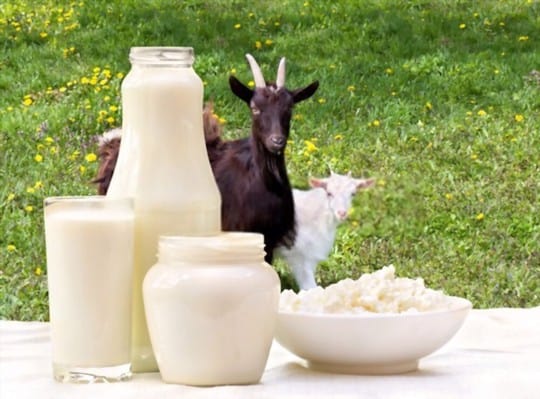
If prepared correctly, you would not be able to tell the difference between cow milk and goat milk.
If someone gives you goat milk and tells you it is cow milk, you would just take their words for granted.
When raw, goat milk has a relatively sweet taste, just like cow milk - not a very intense sweetness, but this is how it feels after you swallow.
It is also a bit creamy.
Overall, it is delicious, yet there are some misconceptions about it - for instance, lots of people avoid it because they think it might taste goaty.
Indeed, some varieties of goat milk can taste goaty, but there are more factors that may affect the overall taste.
For instance, it is essential for goat milk to be fresh - otherwise, it may feel goaty.
According to Better Hens & Gardens, the goat breed is just as important.
Now, goat milk does not leave an aftertaste, but then, it may have a weird flavor if not handled by the book.
It has plenty of lactic acid, which multiplies if the goat is kept at the wrong temperature.
With these thoughts in mind, you should drop all the misconceptions about goat milk - handle it accordingly, store it at the right temperature, and there are no odd aromas to be concerned about.
When used in cooking or in different beverages, goat milk is pretty much identical to cow milk.
If curiosity extends beyond farm animals, dog milk taste exploration for the curious examines how very different mammal milks compare.
How to Use Goat Milk in Recipes?
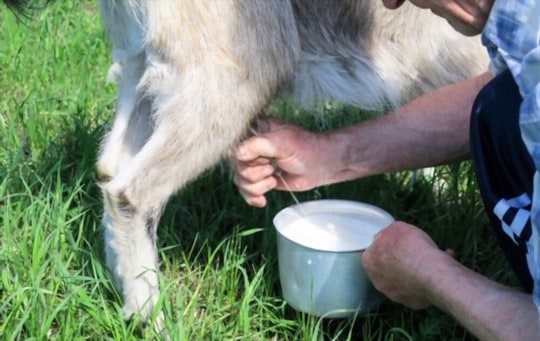
There are countless ways to use goat milk in recipes - in fact, it is as versatile as cow milk.
You can use it in your coffee or milk, but you can also cook desserts or salty dishes.
For example, you can use goat cheese in all kinds of recipes - halloumi is usually based on goat milk, not to mention feta.
Given its creamy profile, goat milk is just as handy in soups - it will turn a bland soup into a creamy one.
It is great in a curry, not to mention fudge, mousse, buttermilk, caramels, pudding, ice cream, yogurt, milkshake, and smoothie recipes, and the list can go on.
You can drink goat milk for protein intake - also rich in vitamins and minerals.
You can boil it, but also add a bit in your morning coffee to make it creamier and dilute it a little.
Overall, there are no actual restrictions regarding how to use goat milk, but there are a few rules regarding the storage and handling.
Just like other types of milk with animal origins, goat milk must be stored at the optimal temperature, or it may develop some unusual flavors that could make it disgusting.
For a spiced, warming alternative that also uses milk as a base, golden milk taste guide for recipe inspiration describes flavor and preparation ideas.
Taste Profile of Goat Milk
As a short final conclusion, can anyone tell what goat milk tastes like? It is quite difficult.
To describe it best, imagine cow milk with a different name.
Forget about the misconceptions that it could be goaty - that happens if it is stored at the wrong temperature.
The same issue could also affect cow milk for the exact same reasons.
Lots of people dislike the idea of goat milk without even knowing that they have it on a daily basis in one form or another.
Frequently Asked Questions
Stepping past the usual cow milk, goat milk offers a creamy, yet refreshingly sharp twist. Its flavor walks the line between familiar dairy comforts and a bold, tangy zest that sets it apart.
Now that you have a few more details about goat milk, what should you know about the taste?
If you enjoy Goat Milk, you may also like drinks with a similar flavor base. Exploring related beverages helps you discover new favorites in the same family.
Can you adjust the intensity of the flavor?
Yes.
Pairing it with acidic, sweet, or fatty components shifts the perceived intensity.
A squeeze of citrus brightens mild flavors, while fats like butter or oil mellow sharper ones.
Avoid pairings that clash with its dominant flavor note. Competing intensities - very sweet with very sour, or heavy with delicate - tend to obscure rather than go with the taste.
Rice milk offers a thin, sweet alternative for milks. rice milk taste reveal breaks down sweetness and texture. Skim milk provides a lean, familiar profile; skim milk taste guide compares mouthfeel and flavor differences.