
Are you looking for a way to add flavor to your dishes but don't know how? Tarragon might be the herb for you.
This herb has a great taste that can be improved using the proper techniques.
I guarantee that after reading it, you will be able to find ways to use this herb in all of your favorite dishes.
What's Tarragon?
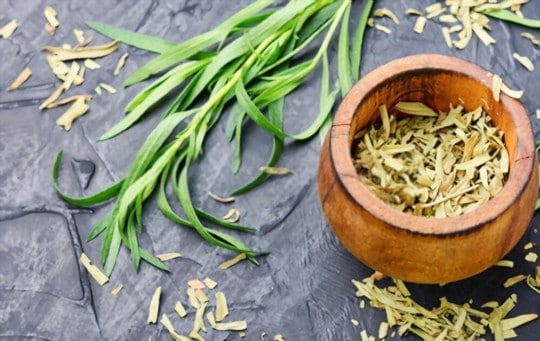
Tarragon is a perennial herb in the mint family native to Russia and western Asia.
The name "tarragon" is thought to be derived from the Persian word "tarkhun," which means "little dragon.
" The herb has been used medicinally and culinarily for centuries.
It was introduced to Europe in the 16th century and has been used in French cuisine since the 17th century.
The herb is also popular in Spanish, Italian, and Russian cuisines.
In addition to its culinary uses, tarragon is also used as a medicinal herb.
The plants can grow up to three feet tall and have narrow, lance-shaped leaves that are green or yellow-green in color.
The leaves have a distinctive anise flavor reminiscent of fennel or licorice.
The flowers of the tarragon plant are small and white or pale pink in color.
Tarragon leaves can be used fresh or dried.
If you cannot find fresh tarragon, you can substitute dried tarragon.
The herb is commonly used to flavor vinegar, mustards, and sauces.
It is also used to season fish, poultry, and meat dishes.
Tarragon can also be used to make tea that is said to have medicinal properties.
3 Different Types Of Tarragon
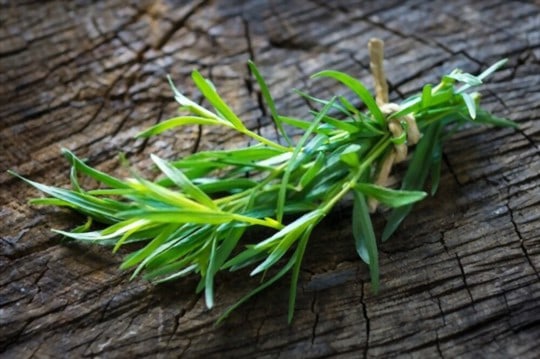
There are three main types of tarragon - Russian, French, and Mexican.
Each type has its distinct flavor that can significantly improve the taste of your dishes - compare dry vs fresh tarragon comparison to pick the right one for a recipe.
Russian tarragon is the most common type of tarragon and has a bitter flavor than its French and Mexican counterparts.
It doesn't provide much flavor when used in cooking, but its leaves can be used to make a tea that is said to have medicinal properties.
French tarragon has a more strong, savory flavor that is perfect for use in sauces and dressings.
In fact, it's the most popular type of tarragon used in French cuisine.
It is also a good addition to chicken, fish, and vegetable dishes.
When using Mexican tarragon, it is essential to remember that less is more.
Mexican tarragon has the strongest flavor of all the tarragons and should be used sparingly in recipes.
Its bold flavor is best suited for beef or pork dishes.
What Does Tarragon Taste Like?
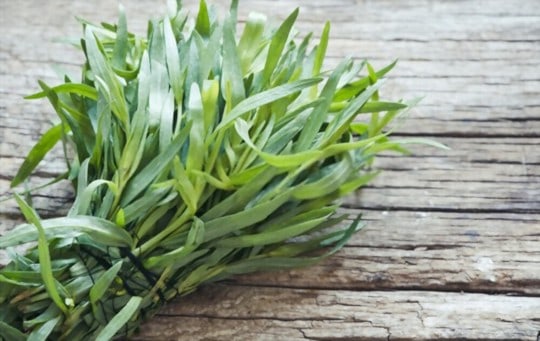
Tarragon has a distinctive anise-like flavor with a hint of sweetness.
The leaves are long and slender, and the plant is a member of the aster family.
When used fresh, tarragon has a more subtle flavor than when it is dried.
At the first smell, tarragon might remind you of licorice or anise.
But take a closer sniff, and you'll start to pick up on some of the herb's other aromatic notes, like lemon, mint, and vanilla.
The tarragon flavor is often described as similar to anise or licorice, with a hint of sweetness.
It is also said to have fennel, lemongrass, and mint notes.
Tarragon's flavor pairs well with chicken, fish, and egg dishes.
It can be used to add flavor to soups, sauces, and salad dressings.
Compared to other herbs, tarragon has a unique flavor that sets it apart from the rest.
While it may be similar to anise or licorice in taste, it has its own distinctiveness that makes it a valuable addition to any kitchen.
For a contrast with a very different flavor profile, see what acai berry tastes like - flavor reveal.
Dried Tarragon vs Fresh Tarragon
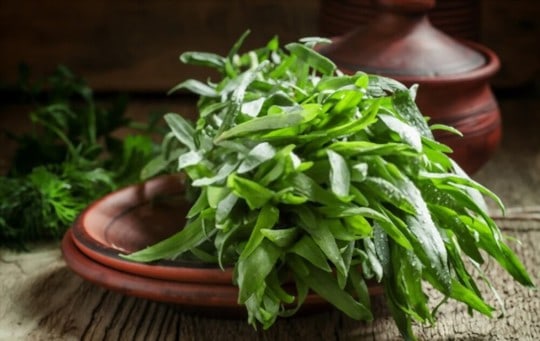
Tarragon is a herb that has a distinct anise flavor.
It is often used in French cuisine and can be found in both fresh and dried forms.
The taste is more intense in the dried form of the herb, so it should be used sparingly - for a similar example of how drying concentrates flavor and texture, see crunchy freeze-dried candy taste insights.
Fresh tarragon has a more subtle flavor, making it ideal for use in salads and other dishes where you want a hint of anise flavor without overwhelming the other ingredients.
When using tarragon, it is essential to remember that a little goes a long way.
This herb can easily overpower other flavors, so it should be used sparingly.
When cooked, tarragon will lose some of its flavors, so it is best to add it towards the end of cooking time or use it as a garnish.
Depending on the dish you make, fresh or dried tarragon can be used.
If you want a more intense flavor:
- Go with the dried herb.
- If you want a more subtle flavor, use fresh tarragon.
- Whichever form you choose, remember to use it sparingly so that it does not overwhelm the other flavors in your dish.
How to Use Tarragon in Cooking?
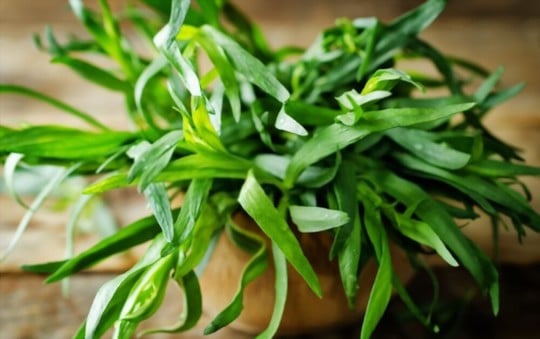
If you're looking for a way to add a little extra flavor to your dishes, tarragon may be the answer.
But before you start using this herb, it's essential to know what it tastes like.
Tarragon has a slightly sweet and licorice-like flavor that goes well with chicken, fish, and egg dishes - it also pairs nicely with high-protein sides without meat for lighter meals.
It's also commonly used in French cuisine.
If you're unsure how to use tarragon, start by adding a small amount to your dish.
You can always add more later if you want more flavor.
Here are some excellent ways to use tarragon in the kitchen:
- Add it to scrambled eggs or omelets for a flavorful twist.
- Mix it into mayonnaise or mustard for a delicious sandwich spread.
- Stir it into soups or stews for an extra burst of flavor.
- Use it to season roasted chicken, fish, or vegetables.
- Mix it into a simple vinaigrette for a flavorful salad dressing.
- Add it to your favorite pasta dish for a little extra flavor.
- Use it to make a flavorful compound butter to use on meats or vegetables.
- Stir it into mashed potatoes for a delicious side dish.
- Mix it into a cream cheese spread for an easy hors d'oeuvre.
- Use it to make a flavorful herb-infused oil or vinegar.
The Benefits Of Using Tarragon
Tarragon is a herb that has many benefits.
It can be used to improve the flavor of food and have many health benefits.
Tarragon can be used to help with digestion, and it can also help to relieve gas and bloat.
It can also be used to help with cramps, and it can help to reduce inflammation.
Tarragon is also a good source of antioxidants and can help boost the immune system.
Both that, but tarragon can also help to improve circulation, and it can help to lower blood pressure.
It can also help to reduce the risk of stroke and heart disease.
Tarragon can also help to protect against cancer, and it can help to fight off free radicals.
Overall, tarragon is a herb with many benefits that can be used in many different ways.
For another simple pantry remedy with potential health perks, read boiling grapefruit and lemon peels benefits to see how citrus peels are used.
How to Store Tarragon Properly?
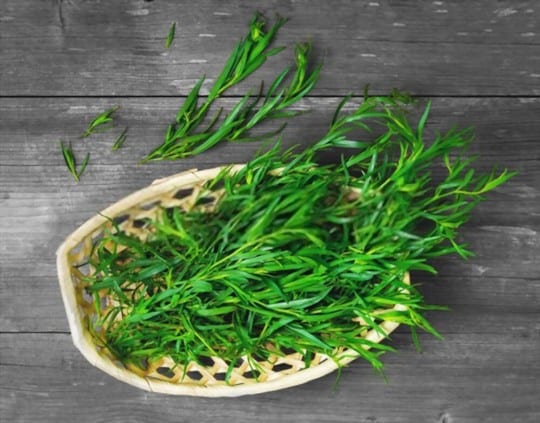
Suppose you're lucky enough to have fresh tarragon in your kitchen; congratulations.
This herb is delicious and can improve the flavor of your dishes.
But before you start cooking with it, there are a few things you should know about how to store tarragon properly.
Tarragon should be stored in a cool, dark place.
The best way to store it is in a jar or container with a tight-fitting lid.
Make sure to remove any wilted leaves or stems before storing, and keep an eye on the tarragon to ensure it doesn't start to mold.
If you're not going to use the tarragon right away, you can also store it in the freezer.
Just place the tarragon in a freezer bag and squeeze out as much air as possible before sealing it shut.
With proper preservation, frozen tarragon will last up to 6 months.
If a recipe calls for tarragon vinegar and none is available, 5 best tarragon vinegar substitutes lists suitable alternatives.
Tarragon Flavor and Pairings
Tarragon has a unique taste that can significantly improve the flavor of your dishes.
However, it is essential to know how to use it correctly to get the best results.
This blog post has given you all the information you need to know about tarragon, so you can start using it in your cooking and reaping the benefits immediately.
For ingredient swaps, 5 BEST Tarragon Substitutes outlines solid options. For choosing between forms, dry vs fresh tarragon comparison explains how flavor and use differ.
Frequently Asked Questions
Are you looking for a way to add flavor to your dishes but don't know how? This herb has a great taste that can be improved using the proper techniques.
In this post, we will discuss some tips on how to use tarragon effectively to get the most out of its flavor.
Freshness matters. Tarragon tends to have a brighter, more pronounced taste when fresh.
Stored or aged versions may develop mellower or slightly different flavor notes.
Significantly. Younger or less ripe versions are often sharper, more astringent, or more bitter.
As it matures, flavors typically mellow and deepen into something more complex and approachable.
Texture and taste are inseparable. A pleasant texture encourages slower eating and better flavor perception.
Off-putting textures - too mushy, too fibrous, or unexpectedly gritty - can make even good flavors less enjoyable.