
You've probably heard of popular cheeses such as Cheddar, Mozzarella, and Parmesan cheese, but Cottage cheese is a term that's unfamiliar to some people.
This cheese is highly recommended if you plan to cook up some fruit salad or toast with a cup of warm tea.
It usually has less fat as compared to other cheeses, so that's why a lot of gym enthusiasts love this cheese.
However, don't worry if you don't know anything about this cheese.
Because today, we will start a new adventure and find out what Cottage cheese is, and answer questions like, "What does Cottage cheese taste like?".
What is Cottage Cheese?
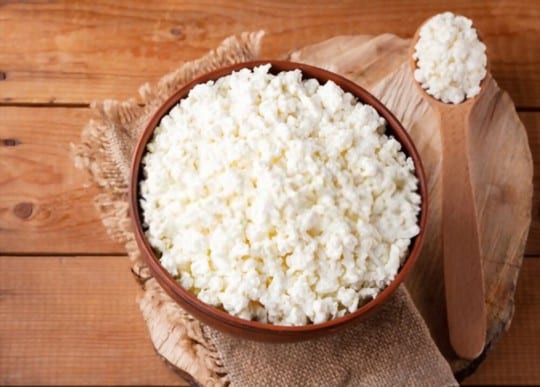
Cottage cheese was a very famous condiment in the olden days, particularly in the 19th century.
If you were born before the 70s and were into trendy diets back in the day, you probably know all about Cottage cheese.
It's one that's made from renin, a precise type of enzyme, and, of course, milk.
Renin makes the cheese gel-like by separating the whey from the curd, making it appear chunky.
It's very different from other types of cheeses because of various types of ingredients added into the mix, like starch, salt, and cream.
Distinguishing the solid milk from the whey liquid is an essential step when producing Cottage cheese.
To make it quicker, people prefer adding acids such as lemon juice or vinegar to the milk.
There are different types of Cottage cheese because of this coagulation method, such as:
Cottage cheese pairs well with savory mains; for side ideas that complement similar comfort dishes, see best side dishes for cottage pie.
- Ordinary Cottage cheese.
- Full-fat Cottage cheese.
- Non-fat Cottage cheese.
- Low-fat Cottage cheese.
- Flavored Cottage cheese.
Taste and Texture of Cottage Cheese

Cottage cheese has a flavor milder than other cheeses but has a severely off-putting smell.
This makes people dislike the whole idea of eating it, making it lesser known than the other cheeses.
However, it has a well-loved texture because of its creaminess and softness - similar to Boursin tasting notes on creaminess.
Cottage cheese is highly dependent on its milk content.
Thus the milk contained determines the fat content.
The milkier the Cottage cheese is, the higher the fat it consists.
Low-fat Cottage cheese is usually quite sour as compared to the other types.
Yes, people may say the odor of the cheese is really awful.
Some sources have said that the smell of Cottage cheese mimics that of spoiled milk.
But once you taste it, the smell generally dissolves in your mouth and fades away.
As for texture, Cottage cheese is a mix of lumps and chunks combined together with a hint of a liquid-like consistency.
With regards to the benefits that Cottage cheese provides, it's a nutritious food item that's both low in fat & calories.
The protein within the cheese makes up most of the calories, and a full cup serving of this cheese will be only 183 calories, with 5 g of fat.
This cheese contains an array of vitamins and minerals, including vitamins A, B1, B6, B3, as well as B12.
It is also packed with minerals such as magnesium, calcium, potassium & selenium.
This means many health enthusiasts love incorporating Cottage cheese into their diets.
How to Eat and Serve Cottage Cheese?

There are different ways to make the taste and smell of Cottage cheese a little better and tolerable.
If you bought some cottage cheese and didn't know what to do with it, here are a few ways to make some use out of it.
For a breakdown of how cottage cheese compares to other fresh cheeses and when to swap them in recipes, consult paneer vs cottage cheese differences.
1 - Toast & Cottage Cheese
Adding it with different breakfast items is one option - try the same approach used for Camembert on toast pairing ideas.
You can incorporate some Cottage cheese on a piece of toast and enjoy it with french fries and berries.
The taste of freshly bought berries can balance out the flavor of the cheese.
2 - Fruit Parfait & Cottage Cheese
If you're looking for a healthier dish, try out Cottage Cheese as a side dish for coconut & banana parfaits.
Adding an option topping like nuts or chocolate chips will blend well with the cheese to make it into a wholesome dessert.
For a citrusy lift, add segments of pomelo to the parfait for bright, slightly bitter-sweet notes - pomelo fruit taste and uses.
3 - Strawberry & Cottage Cheese Smoothie
A Cottage cheese smoothie sounds refreshing, no? Add some strawberries to the mix and the contrasting fragrances will melt together and give you a luscious smoothie with lots of protein - see strawberry flavor profile for smoothies.
4 - Cottage Cheese with Pasta
If you want a creamy and delicious Alfredo pasta but you're worried about the fat and calorie content, Cottage cheese is a healthy alternative to Parmesan - or try ricotta cheese flavor and texture comparison.
Both will the savory dish taste good, but it'll also be easier to make because you don't need to add extra butter, cream, or milk.
How to Buy Cottage Cheese?

In the market, you will find that various types of yogurt dominate the shelves.
However, Cottage cheese has slowly gained some popularity in the commercial scene.
Many companies have begun incorporating Cottage cheese with added flavors and mixing it with different nuts and fruits.
Although Cottage cheese is quite a healthy cheese, some brands have made it into a more appetizing and less healthy food.
They have added more sugar, which aids in processing the cheese and other probiotics.
Even if these versions of Cottage cheese are popular, you can still get organic Cottage cheese from stores.
Some brands that produce organic Cottage cheese include: Nancy's Organic Cottage Cheese made with Whole Milk, Good Culture Cottage Cheese that's Low-Fat, and 365's Organic Cottage Cheese.
You can find these brands in many markets in your town.
Once bought, you can store it inside your fridge for 4 or 5 days.
Make sure you put it in an air-tight container.
The fridge temperature must be at least 4 degrees Celsius.
You can quickly warm it up to unfreeze it.
Let's not forget that although this type of cheese is quite smelly, it can still get bad, and you may be unable to tell the difference.
To know if it's going bad, you can check for fungal growth.
Tips for Enjoying Cottage Cheese
People unnecessarily dislike cottage cheese because of its smell.
It's had a bad reputation all because a few people have critiqued its taste, so this stops others from giving it a try.
Even though it's not as good as Mozzarella cheese, it's still a good kind of cheese with many health benefits, as mentioned above.
It has a cream-like flavor, lumpy texture, and salty hints.
The creamy Cottage cheese with only 4% fat content in the milk is highly recommended if you'd like to give Cottage cheese a shot for the first time.
If you've planned to lose some weight, and gain some muscle and bone strength over the summer, then this cheese will surely help you.
Unveil Denmark Delight: Havarti cheese tasting notes and texture pairs well with many creamy dishes. Muenster cheese tasting guide for melts works if the menu needs a mild, melty option.
Frequently Asked Questions
Flavored Cottage cheese. Cottage cheese has a flavor milder than other cheeses but has a severely off-putting smell.
Low-fat Cottage cheese is usually quite sour as compared to the other types. Try it in a few different preparations to find which version you prefer.
Does Cottage Cheese taste different when fresh versus stored?
Freshness matters.
Cottage Cheese tends to have a brighter, more pronounced taste when fresh.
Stored or aged versions may develop mellower or slightly different flavor notes.
Significantly. Younger or less ripe versions are often sharper, more astringent, or more bitter.
As it matures, flavors typically mellow and deepen into something more complex and approachable.
Texture and taste are inseparable. A pleasant texture encourages slower eating and better flavor perception.
Off-putting textures - too mushy, too fibrous, or unexpectedly gritty - can make even good flavors less enjoyable.