
The Asians know how to cook. Period!
Whether it's Chinese, Japanese, Vietnamese, Indian, or Korean food, Asians have got it all covered.
And they sure know how to make it taste good.
In the sea of Asian cuisine, one dish stands out among the rest: pho.
It's a super comforting soup, perfect for chilly days or when you're feeling under the weather.
But what does pho taste like?
It all depends on how it's prepared since the final flavor of the soup will depend on the ingredients you use.
Read on to know all about the taste of pho and how to make it even more delicious.
What is Pho?
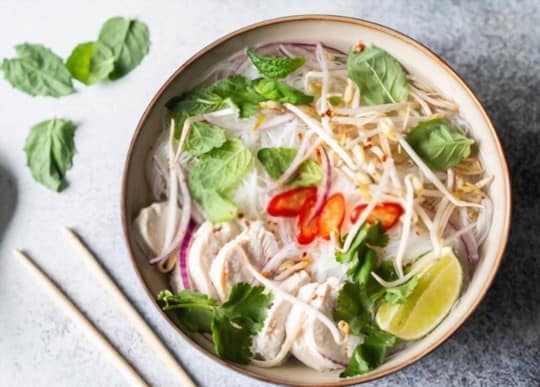
Originating in Vietnam, pho is a rice noodle soup traditionally made with clear broth (chicken or beef), wide rice noodles, fresh garnishes, a variety of seasonings, and tons of green onions.
Today, you can find several variations of pho worldwide, each with its own unique twist.
The most common ones are pho bac (northern style) and pho nam (southern).
There's even a colorful twist, known as the rainbow pho, which is popular in Ho Chi Minh City.
The beauty of pho lies in its simplicity, though.
It's a dish everyone can enjoy, regardless of age or dietary preference.
Not to mention, the soup is super healthy and comforting.
This soup dish is relatively new, having originated in the 20th century.
However, it quickly became popular in Vietnam and acquired the status of the country's national dish.
P.S. It's pronounced as "fuh".
Pho's use of citrusy herbs mirrors dessert contrasts; see what goes with lemon in desserts for ideas on complementary bright flavors.
For a contrasting fruit profile, consider how acai berry taste guide reveals flavor compares to pho's savory richness.
What Does Pho Taste Like?
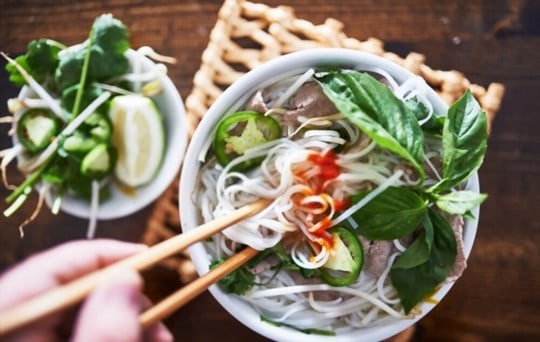
Pho has a complex taste because of the multiple ingredients in it. It's like a pop of flavors in your mouth.
Also, it has different variants resulting in taste variations.
The exotic ingredients used in this noodle soup make it savory and enriching.
Chicken and beef stock are mainly used for making soup.
And the raw bean sprouts in the soup give a crunchy texture.
Some find the pho's taste similar to ramen, which may be true to some extent.
However, the noodles used in these soups are different.
In pho, rice noodles are mainly used, while plain wheat noodles are used for ramen.
Pho is also compared to a Vietnamese cuisine called Bun.
It's a noodle dish sharing similar ingredients with pho.
They may taste similar but differs in noodles as Bun uses vermicelli noodles.
Despite having a varied range of spices, it's a perfect balance of sweet, spicy, salty, and citrus.
It's an enriching soup noodle allowing you to enjoy various flavors of spices at once.
For the first timer, the taste of this soup might be overwhelming.
But once you get used to it, you keep craving for more.
How to Prepare and Cook Pho?
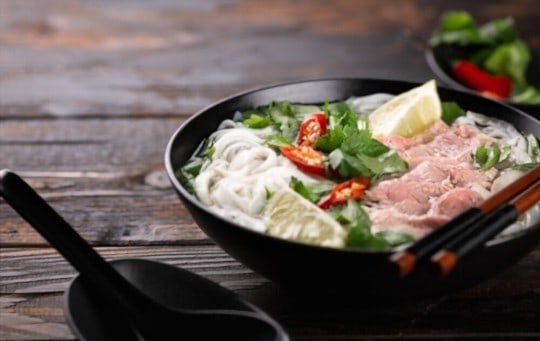
Now that you know what pho is, it's time to learn how to make it.
After all, only when you cook it the right way, can you truly appreciate the authentic pho flavor.
At first glance, pho might look like a complicated dish, as it's mostly covered in many ingredients.
However, once you go through our steps for cooking pho, you'll be surprised at how easy it actually is.
Even a novice cook can easily create this Vietnamese magic in the kitchen.
- Start by cooking the broth. You can use beef, chicken, or veggie stock depending on your diet and preference. .
- Add some star anise, ginger, or cloves for some extra flavor. This is optional.
- Once your broth comes to a boil, add your rice noodles. If you don't have rice noodles at home, make a quick stop at an Asian grocery store, or order them online. They are really cheap, so there's no excuse not to use them.
- The next step is to add the protein. This could be either chicken, beef, shrimp, or tofu.
- Once cooked, remove from heat and pour your dish into a large bowl.
- After that, toss in your garnishes. The most common ones are fresh basil, cilantro, bean sprouts, lime wedges, and jalapeños.
- Finally, it's time to add the seasonings such as fish sauce, soy sauce, salt, and pepper.
Your pho is now ready to be served.
Want a spicy twist to your pho? Add some Sriracha sauce or chili peppers.
Serve quick sides with homemade pho - try 22 veggie sides under 12 minutes to round out the meal without extra cook time.
Is Pho Healthy to Eat?
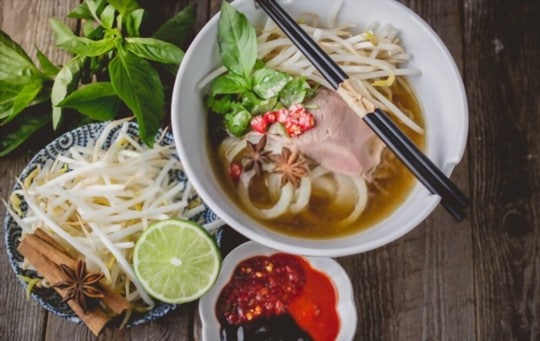
The answer to this question ultimately lies in how you prepare your pho.
If you're using fresh ingredients and lean protein, pho can be quite healthy.
It's a great source of protein, vitamins, and minerals.
Not to mention, the soup is low in calories and fat.
So, if you're watching your weight, pho is a great option.
In contrast, if you use processed ingredients and fatty meats, your noodle soup won't be healthy.
Generally, you'll get many health benefits if you make pho the traditional way.
Considering the number of fresh ingredients and meat that goes into making pho, you'll be getting a lot of fiber, iron, vitamin C, vitamin A, magnesium, zinc, potassium, carbs, and antioxidants, among others.
However, like with anything else in life, it's best to enjoy pho in moderation.
The thing is, a typical bowl of pho contains almost 70% of your daily sodium intake.
So, limiting your pho consumption is best if you have high blood pressure or are on a low-sodium diet.
Choosing the right accompaniments matters for nutrition; review Vietnamese pho side dishes suggestions for balanced pairings.
Key Flavor Notes of Pho
As we end the article, we hope this was helpful and has answered your question about pho and its taste.
It's a complex-tasting noodle soup making it quite challenging to say what exactly it tastes like.
Also, different variants of pho make it quite hard to describe the taste.
However, we can say it tastes incredible despite the inclusion of a variety of ingredients.
You can prepare it yourself if you have all the required ingredients.
It may seem complicated, but it's easy if you know the direction to cook.
Check the simple guide above on how to cook or prepare pho.
Or you can visit a Vietnamese restaurant to try authentic rice noodle soup.
Fruit-forward contrasts can highlight pho's clean broth - acai berry taste guide reveals flavor. For a sweet-tart finish after a savory meal, consider key lime pie taste exploration for brightness.
Frequently Asked Questions
And they sure know how to make it taste good. But what does pho taste like?
Well, it all depends on how it's prepared since the final flavor of the soup will depend on the ingredients you use.
Freshness matters. Pho tends to have a brighter, more pronounced taste when fresh.
Stored or aged versions may develop mellower or slightly different flavor notes.
Significantly. Younger or less ripe versions are often sharper, more astringent, or more bitter.
As it matures, flavors typically mellow and deepen into something more complex and approachable.
Texture and taste are inseparable. A pleasant texture encourages slower eating and better flavor perception.
Off-putting textures - too mushy, too fibrous, or unexpectedly gritty - can make even good flavors less enjoyable.