
It's sweet; it's popular and nutty at times. Yes, we're talking about cauliflower.
An incredibly versatile vegetable that continues to increase in popularity.
Cauliflower has always been among the fan favorite veggie section.
This popularity mainly comes from its taste as well as ease of cooking.
Cooks and chefs across the world enjoy the simplicity and versatility of this vegetable.
Hence, due to its wide usage across different countries, those who haven't tried the vegetable might wonder, what does cauliflower taste like? The short answer is "delicious".
But if you're looking for something more, we suggest you continue reading to learn more about its taste profile, cooking methods, and more.
What is Cauliflower?
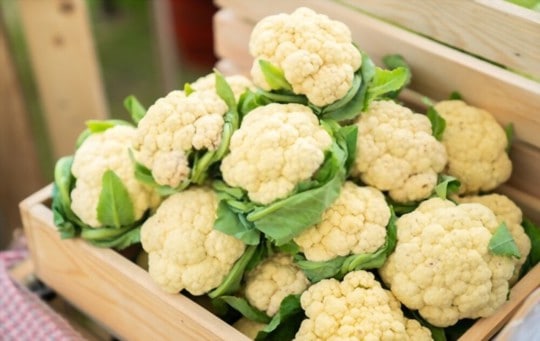
Cauliflower is a vegetable from the Brassicaceae family.
The middle section of the vegetable is white and comes covered or wrapped in green leaves.
However, there are also other varieties of cauliflower.
But, so far, the white one remains the most popular.
Typically the white head of cauliflower is considered the only edible section.
The leaves surrounding the vegetable are only considered as a protective layer and don't serve much culinary purpose.
However, the soft green stems are consumable.
Given it's not exactly a seasonal product, the vegetable is grown and sold throughout the year.
However, ideally, it's better to purchase it during fall or winter as it tastes sweeter during such seasons.
As mentioned earlier, cauliflowers come in different variations.
To be more precise, it comes in four different colors, namely, white, green, purple, and orange.
But the white version is the more common and used widely across the globe.
For those curious how lemon plays with other flavors, lemon dessert pairing ideas and flavors outlines nine complementary options.
For a contrast in berry flavors, consult the acai berry flavor guide revealing tastes to see how its tart, earthy notes compare.
What Does Cauliflower Taste Like?
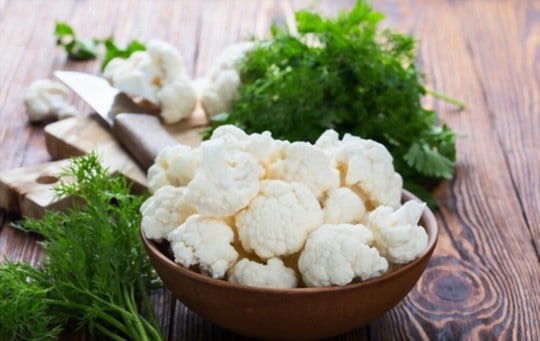
Cauliflower contains a strong sweet taste with hints of mild nuttiness.
It usually contains a slightly bitter and sharp aftertaste.
However, this generally fluctuates depending on the cauliflower type and sun exposure while growing.
This is because direct exposure to sun and heat can hinder its taste, thus, making it bitter.
This bitterness can be more apparent to some as people's palate typically vary from others.
Other factors, such as color variations or overcooking, can also influence the bitter effect.
So, it's best to give the vegetable a taste in its raw form before starting the cooking process to understand the level of bitterness.
But, overall, the vegetable generally contains a mild taste and falls on the neutral side of taste.
This isn't entirely bad, as it allows the vegetable to absorb stronger and richer flavors.
This makes cauliflower an excellent vegetable to pair with various ingredients.
Plus, cauliflowers are pretty cheap and can be found abundantly and easily.
And let's not forget the fact it's a nutritional powerhouse.
Due to its presence of glucosinolates, it contains an ample amount of phytonutrients.
This is a sulfuric compound capable of supporting your body's immune system, digestive system, and more.
Compared to other cruciferous vegetables, cauliflower is much more nutritious and is the star of many recipes.
However, before adding it to any dish, it's always recommended to taste it.
How to Cook and Serve Cauliflower?

Like most vegetables, cauliflower can be consumed in its original raw form.
It can also be tossed into salad mixtures or simply served with tips.
But, apart from that, there are several other ways you can cook and serve vegetables - including quick veggie sides that cook in under 12 minutes.
You can try its most common technique, which is steaming.
You can chop the cauliflower into small prices and steam it for about 8-10 minutes on a steamer.
Once your knife can easily pass through them, you can prep it for serving.
If you feel like going for a more crunchy appeal, give the sautéing method a try.
Just chop some cauliflower and pour them into a pan with a splash of olive oil.
Although this is optimal, you may also add some spices or herbs.
Sauté the vegetable for a few minutes until they're perfectly crunchy and filled with flavor.
That'll make a great side dish if you're planning to host any small gatherings.
Lastly, you can try the deep frying method.
Now, this method requires more work but it's still pretty simple to prepare.
You can start by dipping chopped cauliflower into a batter of egg and milk and coating them with crumbs.
Once the cauliflowers are prepped, drop them into a deep fryer and dry them until they're golden brown.
Once it's fully fried, you can serve it with some sides or dips.
Whichever method you choose to cook and serve the cauliflower, just make sure to remove the outer leaves and stems and give it a proper bath before cooking.
You need to ensure it doesn't have any black/brown spots as well.
Conclusion
Due to its mild and neutral flavor.
Cauliflower can be easily incorporated into different recipes and dishes.
It doesn't overpower other ingredients and can be used to create delicious, healthy, and low calories meals.
And since it's easy to prepare and cook, it's excellent for beginner home cooks to try.
So, if you want to create delicious cauliflower meals, we hope our article has guided you on the right path.
If you're a beginner, you can always give some of the methods we've mentioned a try.
They're easy, delicious, and pretty much effortless.
Frequently Asked Questions
It's sweet; it's popular and nutty at times. This popularity mainly comes from its taste as well as ease of cooking.
Hence, due to its wide usage across different countries, those who haven't tried the vegetable might wonder, what does cauliflower taste like?
Several foods share flavor notes with Cauliflower. Tasting similar items side by side is the easiest way to map out what you enjoy and find new favorites.
Can you adjust the intensity of the flavor?
Yes.
Pairing it with acidic, sweet, or fatty components shifts the perceived intensity.
A squeeze of citrus brightens mild flavors, while fats like butter or oil mellow sharper ones.
Avoid pairings that clash with its dominant flavor note. Competing intensities - very sweet with very sour, or heavy with delicate - tend to obscure rather than go with the taste.
Cauliflower cheese works well with many accompaniments; cauliflower cheese side dishes lists 15 compatible options. For smoother plates, cauliflower puree side pairings outlines seven top matches.