
Not many have tasted or even heard of birch syrup, unlike maple syrup.
These are often compared as both are extracted from a tree's sap.
As more people are looking for sugar alternatives, these syrups have become a popular substitute.
Most people may think birch and maple syrup taste similar, which is less likely.
And this brings us to the question-what does birch syrup taste like? This post will reveal its taste profile, its production process, and how to use it.
What Is Birch Syrup?
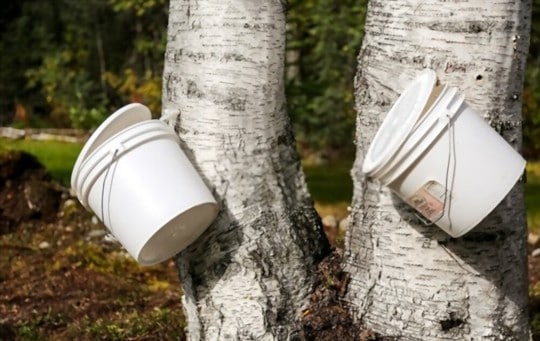
Birch syrup is an extraction from the deciduous tree called birch.
You may tap from any species of this tree as it produces similar quality and quantities.
This syrup is extracted from the birch sap, which surprisingly tastes incredible by itself.
In fact, it's a popular drink in Latvia, usually consumed during the end of winter in preparation for welcoming spring.
This syrup may share similar consistency with maple syrup, but there are differences in flavor.
Besides, the production process is also different for these two syrups.
Maple sap flows when the temperature is at freezing point, while birch sap flows at a higher temperature.
It should be above 50F or higher for the sap to flow.
Sugar content is low in birch sap requiring higher water content to get a syrupy and sweet consistency.
However, this may result in the production of glucose and fructose, which is not quite preferable among the masses.
This syrup may not be famous like maple syrup, but it is gradually gaining momentum with a better production process.
For dessert applications, birch syrup's bright acidity can complement citrus-see lemon dessert pairing ideas to find compatible flavors.
Birch Syrup Taste and Uses

Complex. This word surmises the taste of birch syrup.
People who have tasted this syrup find it challenging to pinpoint a specific taste.
No doubt it's sweet, but it comes with several undertones that are noticeably wood and fruity - compare with funnel cake syrup taste guide for a different carnival-style sweetness.
It shares similar consistency with maple syrup but is more caramelized.
This syrup may not be everyone's favorite on the first try.
Some may like it, but not everyone is excited to add this syrup to its pancakes.
Besides a fruity and woody undertone, this syrup is slightly bitter.
In fact, its aftertaste gives an acidic and spicy flavor, similar to balsamic vinegar.
Compared to maple syrup, this syrup is richer and stronger in flavor.
Because of this, it makes an excellent ingredient in savory and sweet recipes as well.
Beside maple, it's compared to several syrups such as licorice, honey, and sorghum syrup.
Birch syrup is more versatile because of its lower sugar content.
The color of this syrup may also vary from light amber to dark, depending on the tree species.
Both are not specifically healthy food as the nutrient content is low in these syrups.
Maple syrup has a higher percentage of sucrose found in regular sugar.
In contrast, birch syrup contains fructose, which is found mainly in fruits.
However, one thing that puts birch syrup ahead of maple is its higher content of micronutrients.
It's a good source of proteins, vitamins, xylitol, and minerals.
How to Use Birch Syrup?
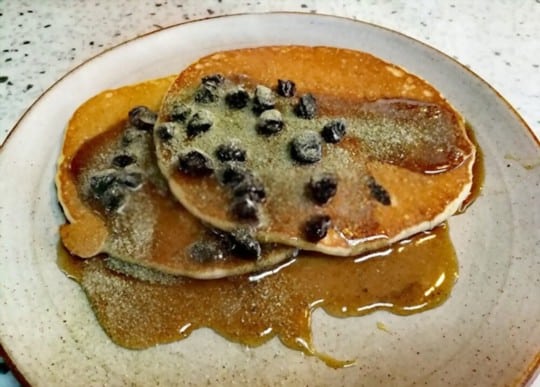
You may use birch syrup like maple syrup from glazing meat to salad dressings.
Due to its lower sugar content and aromatic flavor variants, it's applicable in different recipes.
Here are some of the ways to use this syrup:
- Drizzle this syrup over waffles or pancakes. .
- Use for glazing meat like how honey is used. .
- You may use it for marinating meat or fish as well.
- Make your ice cream flavorful by drizzling this syrup over it.
- Add this syrup to cocktails to give a distinct aroma and flavor. .
- Instead of adding sugar for a sweet element in salad dressing, add this syrup.
- You may use this syrup in sandwiches to improve the taste. .
There is no limit on the ways to use this syrup - try pairing it with high-protein sides that don't use meat for a well-rounded plate.
However, ensure that it blends with the ingredients you're mixing to get the desired result.
Also, if you're using this syrup for grilling or roasting meat, we suggest using it at the end of cooking.
Doing this will prevent the burning of sugar elements present in the syrup.
Although its sugar content may be low, avoid having it excessively, especially if you have diabetes.
Cooking with Birch Syrup Flavor
Birch syrup may not be well-known or widely used, like maple syrup, but it's delicious.
It has a distinct flavor which some find quite overwhelming.
The syrup has a rich and strong flavor with variants of undertones.
Besides, it's not sweet like maple or honey; this factor allows this syrup to blend in savory dishes.
It may not be available widely in stores like maple syrup.
However, if you come across it, do give it a shot.
It may be pricey, but it is worth trying if you like to try out new food items or products.
For richer, creamy syrup comparisons, review Irish cream syrup taste profile. For nut-forward sweetness ideas, toffee nut syrup flavor notes offers complementary inspiration.
Frequently Asked Questions
Not many have tasted or even heard of birch syrup, unlike maple syrup. Most people may think birch and maple syrup taste similar, which is less likely.
And this brings us to the question-what does birch syrup taste like?
The texture of Birch Syrup depends on how it is prepared. Raw, cooked, and processed forms each offer a distinct mouthfeel that changes the overall eating experience.
Is there a strong smell that comes with the taste?
Aroma and taste are closely linked.
A strong smell usually signals an equally bold flavor.
If the smell is mild, expect a subtler taste that becomes more apparent with seasoning.
Depends on the ingredient. Some improve dramatically with heat, developing sweetness or losing bitterness.
Others are best raw, where cooking dulls the brightness that makes them worth trying.