
Few might have heard of cara cara oranges or confused them with navel oranges as they look almost similar.
In fact, this citrus fruit is reportedly a cross between Brazilian Bahia and Washington navel.
It's a winter orange used in various recipes, including fruit salads, for making juice, sauces, desserts, and more.
What do cara cara oranges taste like? How to eat it?
If you have yet to taste, plenty of questions about this citrus fruit would be in your mind.
Worry not, as this post reveals the taste profile of this orange.
Also, we'll give tips on exciting ways to have this delicious fruit.
What Is Cara Cara Orange?

Cara cara oranges are round but slightly oval-shaped fruit with sizes varying from medium to large.
It has a semi-thin rind but is quite tough.
Like any citrusy fruit, it's green when raw but turns bright orange when ripe.
It has pinkish-red flesh, closely similar to a grapefruit.
It's to be noted that the flesh of the orange is determined mainly by the climatic condition during cultivation and its growing conditions.
Cara cara is also extremely juicy.
One way to check if it has enough juice is by checking its weight in proportion to its size.
If it's heavy, the juice content is higher.
This winter orange is a species of Citrus × sinensis which is also home to blood oranges, Valencia oranges, and navel oranges.
Like the navel, it's seedless and cultivated through grafting.
These oranges are readily available starting in early winter and spring.
When using Cara Cara in sweet applications, look to lemon dessert pairings and ideas for complementary flavors and textures.
Cara Cara Orange Taste Profile
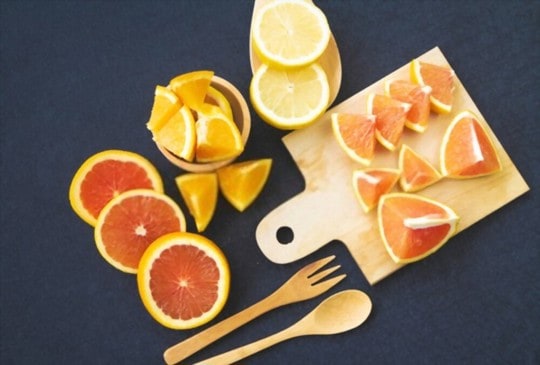
Now that you know what this fruit is, let's look into its taste profile.
Most people compare its taste to navel orange, which is sweet and aromatic like cara - or see an orange juice taste guide for comparison.
However, it's sweeter and has a more complex taste.
It has a rich citrusy flavor and a cross of tart-sweet notes similar to raspberry, cranberry, and blackberry.
In comparison, navel oranges have a more balanced taste of tart, tangy and sweet.
Even the flesh is relatively different as this variant is typically yellow-orange in color and red-pinkish for cara.
Cara's flesh is soft, dense, and has moist consistency.
It's aromatic with high sugar content and has a low acid level.
Some people find it annoying when there are seeds in fruits.
You don't have to worry about it in this case, as it's seedless.
If you share the same dilemma, try this winter orange.
Regarding nutritional value, it's an excellent source of vitamins A and C.
These vitamins aid in improving the immune system and healthy organ.
It also provides folate, which helps in producing DNA and RNA.
The fruit is also packed with micronutrients, including manganese, iron, calcium, and copper.
Another interesting fact that's worth mentioning is its red-pink flesh.
Do you know why it turns this color?
It's due to the presence of carotenoid lycopene, which is a pigment and natural compound with antioxidant properties.
The presence of these properties gives protection to the cell from oxidative stress and repairs damages caused by free radicals.
How to Eat Cara Cara Oranges?

This citrus fruit taste good by themselves due to their sweet nature and enticing aroma.
Also, its high juice content gives a refreshing taste.
Both it makes an excellent healthy snack but also a fantastic ingredient in various recipes.
In addition, its bright red-pinkish flesh adds attraction to fruit bowls.
What makes this fruit versatile is its balanced level of sweetness and acidity.
It allows you to create both indulgent and savory kind of recipes.
You can also make a sweet marinade for meat and fish or make a salad.
It's worth mentioning that this fruit goes well with chocolate fondue.
In short, it's an ideal ingredient that goes well in most recipes.
Even better to make fresh juices as it's highly moist and juicy.
You may use it in smoothies and cocktails like mimosas and margaritas.
There are endless ideas and ample room for improvisation.
Since it's only available during early winter and spring, make homemade juice and store it in an air-tight container.
Put them in the freezer and enjoy the cara juice all year round.
Bright citrus segments can lift savory dips - guacamole pairing ideas for fresh combos suggests snacks and bites that work well with zesty fruit.
Best Uses for Cara Cara Oranges
Concluding the article, this winter orange is enticingly tasty and a much-needed refreshment to relieve stress.
It's a nutritious fruit mixed with a subtle combination of tart, sweet and tangy flavor.
Adding this to your meal routine would be great as it provides several nutrients to your body.
Hit the nearest grocery stores to get this citrus fruit, preferably during winter and spring.
It tastes better, is fresh, and has more juice content.
You may buy in large quantities and make juice.
Keep it in the freezer and have it whenever you want to.
It stays fresh and good for six months.
Valencia and navel oranges have key differences in seasonality and flavor - Valencia vs navel orange comparison. Storage and shelf-life vary by variety; see how long oranges last and storage tips for guidance.
Frequently Asked Questions
If you have yet to taste, plenty of questions about this citrus fruit would be in your mind. Worry not, as this post reveals the taste profile of this orange.
Now that you know what this fruit is, let's look into its taste profile.
Freshness matters. Cara Cara Oranges tends to have a brighter, more pronounced taste when fresh.
Stored or aged versions may develop mellower or slightly different flavor notes.
Significantly. Younger or less ripe versions are often sharper, more astringent, or more bitter.
As it matures, flavors typically mellow and deepen into something more complex and approachable.
Texture and taste are inseparable. A pleasant texture encourages slower eating and better flavor perception.
Off-putting textures - too mushy, too fibrous, or unexpectedly gritty - can make even good flavors less enjoyable.