
Cajun Food pairs well with Potatoes, Carrots, Celery, Onion, and Garlic.
Potatoes
Potatoes are an integral part of many Cajun dishes.
For something lighter, swap in Garlic instead.
Have you ever wanted to know what vegetables are essential to Cajun cuisine?
It can be tricky finding the right mix of flavors, however, understanding the fundamentals of this gastronomy will help you pick the best options for your meal.
We'll also include recipes and tips for the perfect combinations.
What are Typical Cajun Dishes?

Cajun dishes are some of the most unique cuisine in the United States.
A fusion of French and Southern cultures, these tempting dishes have become staples in Louisiana and beyond.
Traditional dishes consist of gumbo, crawfish boil, jambalaya, shrimp po'boys, etouffees and blackened catfish.
Gumbo is a filé powder stew with a tomato-based sauce made with a variety of meats like sausage, chicken and sometimes seafood mixed with okra and celery as added texture.
Crawfish boils serve up boiled crawfish drenched with spices while jambalaya is similar to a rice pilaf filled with seafood, vegetables and seasonings such as hot peppers.
Then there's etouffees which is usually served over rice consisting of thick roux-base sauce full of tomatoes and herbs or peppers for those seeking a little heat.
Lastly should enjoy some fresh blackened catfish which is seasoned with paprika along with Worcestershire sauce for depth intense taste that can't be denied.
When it comes to Cajun cuisine it offers something delicious for everyone.
Finish spicy Cajun meals with light citrus sweets - lemon dessert pairing ideas list nine bright options that complement bold flavors.
7 Vegetables That Complement Cajun Cuisine
Cajun dishes are often cooked in a roux-based sauce and should be served with flavorful side dishes to bring balance to the meal.
Vegetables are an ideal accompaniment as they absorb the flavors of the sauce while also providing texture and color.
Here are some of the best vegetables that pair nicely with Cajun food.
Many of these vegetables also work with seafood mains like baked fish - vegetables for baked fish ideas outlines 11 complementary options.
1 - Potatoes
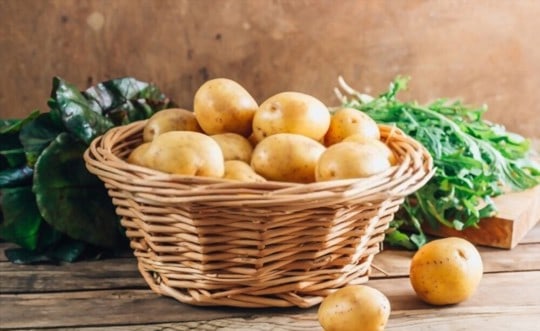
Potatoes are an integral part of many Cajun dishes.
Whether they're mashed, boiled, or fried - see what to do with boiled potatoes for fresh serving ideas - they add a unique flavor and texture to Cajun food.
Potatoes are often used in traditional Cajun dishes such as the Creole Stuffed Potatoes or the Maque Choux (a corn and potato dish).
You can also make a flavorful potato salad by pairing potatoes with other popular ingredients like onions, peppers, celery, and poultry seasoning for a delicious dish.
2 - Carrots

Carrots are a classic ingredient in Cajun recipes.
Since most of the cuisine is based on stew-like recipes, carrots go well with the long-cook process.
Cut thin strips or diced cubes, carrots are a great choice for adding texture to any dish.
It pairs especially well with grilled shrimp and andouille sausage, as the sweetness goes with the smoky flavors of the dishes.
Baby carrots can be easily julienned or made into thin strips that add color to your plate.
Grate them into salads or make pickles with Cajun spices for added flavor.
Enjoy carrots in stews, soups and sauces too.
Serve raw or cooked carrots with flavorful dips - tasty dipping sauces for carrots lists 13 sauces that complement Cajun spices.
3 - Celery
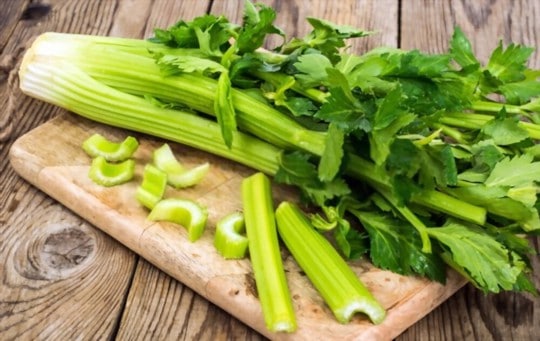
Celery is an excellent choice when it comes to cooking Cajun food.
This vegetable is very versatile, and it is a good match for many Cajun dishes.
It has a slightly sweet, earthy flavor that pairs well with the bold flavors of Cajun seasoning.
Celery can be cooked in many different ways.
It can be chopped and added raw to salads or used as a topping for burgers and sandwiches.
It also works great diced into omelets or stir-fries, or even cut into slices and added to soup.
Its long stalks can be lightly sautéed before incorporating it into dishes like gumbo, jambalaya, or étouffée.
Celery is also tasty when cooked alongside other vegetables in the same pot - carrots, potatoes, onions, bell peppers - to create delicious side dishes like a vegetable medley.
Leftover celery can be juiced for a refreshing drink - celery juice shelf life guidance explains how to store and when it goes bad.
4 - Onion

Onions are a staple in many Cajun dishes.
They yearn to be cooked long and slow, absorbing every flavor they come across.
You can use any type of onion in your cooking, with most traditional Cajun dishes relying heavily on yellow onions.
You can use other varieties such as red, pearl and even shallots, depending on your taste preference.
Onions make an excellent addition to jambalaya and gumbos and can also be thrown into Dirty Rice for a bite of texture.
You can also use them to top off the ever popular "debris" or hamburger po-boys.
Just remember - if you don't have onions, you don't have a meal.
Onions also feature in condiments like French onion dip - French onion dip shelf life info covers how long it keeps and storage tips.
5 - Garlic
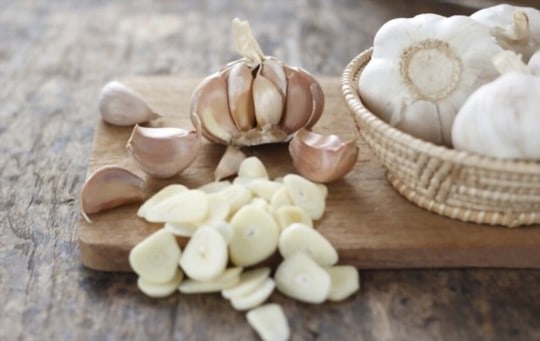
Garlic is an essential part of Cajun cooking.
Its pungent flavor improves dishes and can easily be incorporated into recipes.
Garlic grows well in the southeast climates so it's a natural addition to any authentic Cajun dish.
Whole garlic cloves can be roasted alongside other vegetables, or as a side dish it can be minced and sautéed in butter with onion, peppers and herbs for added flavor.
Finely minced raw garlic can also make a flavorful addition to many Cajun dishes such as: jambalaya, crawfish etouffee, gumbo and red beans and rice.
The strong flavor of garlic should be balanced with other flavors especially when used as an accent.
Garlic's bold flavor also pairs well with breads such as garlic bread - what to eat with garlic bread suggests mains and sides that match its intensity.
6 - Green Bell Peppers

Green Bell peppers are versatile vegetables that can be used in a variety of recipes.
They're a good addition to Cajun-style dishes, as they are packed with rich flavors and vitamins.
Green bell peppers are high in vitamin C, and will add a bright flavor to jambalaya, gumbo, and other spicy dishes.
To bring out their vegetable flavor, chop them finely and add them toward the end of the cooking time so they can retain their colors.
Other uses for green bell peppers include adding them to omelets or sautés, or stuffing them full of delicious fillings like meats and cheeses.
Sliced green peppers brighten cold greens as well - dressings for green salad that pair well recommends five dressings to match vibrant vegetables.
7 - Zucchini
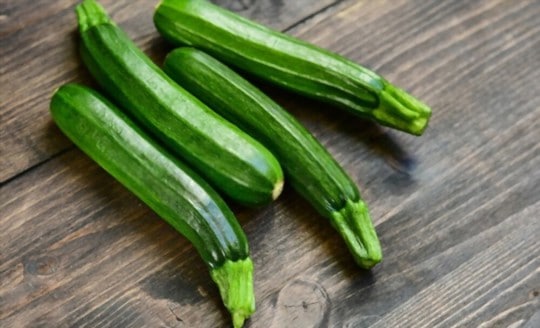
Zucchini is a summer vegetable that is versatile enough to be included in all types of recipes, including Cajun dishes.
The mild flavor and crunchy texture of zucchini make them a good addition to jambalaya, gumbos, and similar meals.
Zucchini can also be roasted for a crispy accompaniment to rice and gravy or added to stir fries for extra depth of flavor.
It's best to choose small to medium-size zucchinis since they are at their peak when still young; large-size specimens tend to be more watery and less flavorful.
When selecting and preparing zucchinis for a Cajun recipe, be sure to remove the skin as it can add a bitter taste and leave the flesh with an unpleasantly soft texture.
For milder curry-style meals, butter chicken vegetable suggestions. yellow curry vegetable pairings explains vegetables that suit yellow curry.
Frequently Asked Questions
Potatoes Potatoes are an integral part of many Cajun dishes. Carrots Carrots are a classic ingredient in Cajun recipes.
Most home cooks pick this because it rounds out the meal.
A leafy green or fiber-rich vegetable balances the meal best. Potatoes Potatoes is a good pick for adding color and nutrients.
Pairing a protein-heavy main with a lighter vegetable side keeps the meal from feeling too heavy.
Aim for a contrast - if the main dish is soft and saucy, a crispy or firm side adds welcome variety. If it is already textured, a smooth or creamy option rounds things out.
How far ahead can you prep the sides?
Most grain and roasted vegetable sides can be prepped a day ahead.
Store separately and reheat before serving.
Fresh salads and anything with a sauce are better made same-day.