
Summary of key points
The distinction between Grains and Cereal revolves around their botanical and culinary uses. Grains refer to the seeds of grassy plants called cereals, which include wheat, corn, rice, etc., and are a staple food source globally. 'Cereal' often refers to processed grain products consumed as breakfast foods.
The primary difference is in application: 'grains' can refer to both the whole seed and the plant itself, while 'cereal' often implies a product made from grains.
Are you someone who doesn't know the difference between grains and cereals?
It's a question that might often arise when it comes to choosing meals or baking ingredients.
It can be very confusing in some cases, as they may seem similar and sometimes even used interchangeably but there are a few definitive distinctions between them both.
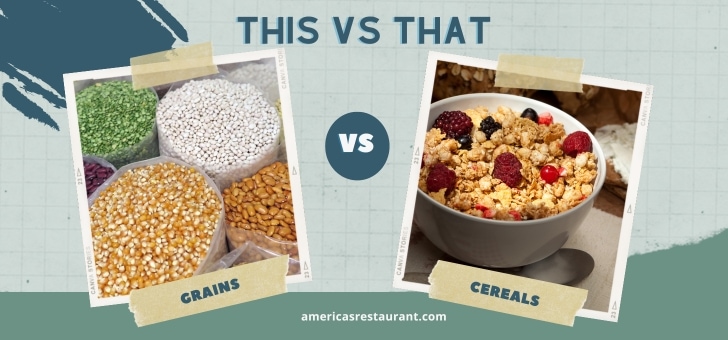
What are Grains?
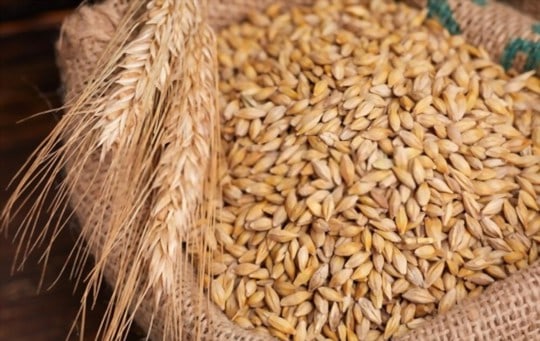
Grains are seed-like fruits of grassy plants, which are grown for food.
They are a significant source of carbohydrates, proteins and other nutrients in our diet.
Grains can be consumed whole or processed, but both forms have their benefits and drawbacks.
To understand the differences between grains and cereals, it is essential to know what grains are.
This section provides a simple and straightforward explanation.
Grains come in different shapes and sizes; they belong to the Poaceae family of plants.
The most commonly consumed grains include wheat, barley, rye, oats maize/corn in Western countries.
Whereas rice is selected as a staple grain in Eastern countries.
Whole grains are grasped as healthier than refined ones because they retain all their important elements such as fiber antioxidants vitamins minerals phytochemicals etc.
Whereas refined ones may lose most of these elements along with nutrient density.
Grain products measure up an exhaustive list that includes everything from bread to beer.
Nonetheless not every product made from a grain is considered cereal.
Grains also appear in many sweets and baking recipes; lemon dessert pairing ideas shows nine ingredients that complement lemon-based desserts.
What are Cereals?
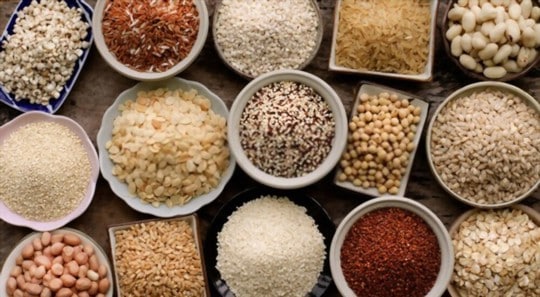
Cereals are a type of edible plant that belongs to the grass family.
These plants are mostly cultivated for their seeds, which are used as food for humans and animals alike.
To understand what cereals really are,
- Cereals are primarily grown to be harvested for their edible seeds. Unlike other crops like fruits and vegetables, where we consume the whole organ (i.e., fruit or vegetable), the edible part of cereal plants is the seed itself. This is because cereal seeds contain all the nutrients that a young plant needs to grow - carbohydrates, proteins, vitamins and minerals.
- Most cereal plants produce long cylindrical stalks with multiple small leaves shooting out from them. These stalks can range in height from just a few inches in some species to over 20 feet tall in others. The size and shape of these stalks depend on factors like species, growing conditions and environmental stressors.
- Cereals often have a low water content compared to other food crops. This allows them to store well after harvesting and makes them easy to transport long distances without spoiling.
To summarise, cereals are a type of grass that is mainly grown for their edible seeds.
They typically have long cylindrical stalks with multiple leaves and often have a low water content which allows them to be stored well after harvest.
Many cereal grains are turned into crunchy snacks that pair with dips and spreads; guacamole combo suggestions lists tasty pairings for chip-like cereals.
Differences Between Grains and Cereals

Grains and cereals are often used interchangeably, but there are some key differences between the two.
To begin with, grains are a food group that includes cereal grains as well as other types of grains such as rice, corn, and quinoa.
Cereals, on the other hand, refer specifically to plants in the grass family that are grown for their edible seeds.
Both grains and cereals have many different varieties - for spice swaps that suit different grains, see grains of paradise substitute ideas.
However, what sets them apart is that all cereals belong to one particular plant family while grains come from various plant families.
Another key difference between grains and cereals is their nutritional value.
While both contain carbohydrates and fiber, cereals tend to be higher in protein than most grains.
This makes them an important source of protein for vegetarians and vegans.
Also, because of its high protein content, cereals play a important role in the human diet worldwide.
In many cultures, they are a staple food that can be consumed in many different ways - from breads to porridges or even as soups.
On the other hand, while grains provide essential vitamins and minerals such as vitamin B complex and iron too; they aren't generally considered protein sources.
Plant Source
Plant Source: Grains and cereals are both essential components of the human diet.
Grains refer to any small, hard, dried seed that comes from a grass plant.
On the other hand, cereals refer to edible grains that come specifically from members of the grass family Poaceae.
Cereals are a subset of grains but not all grains are cereals.
Although grains and cereals may come from different plant families, they share many similarities in terms of their benefits to human health.
Both grains and cereals are excellent sources of energy through their high carbohydrate content.
They also contain dietary fiber that helps maintain good digestive health.
Also, they are rich in vitamins such as vitamin E, B-complex vitamins like thiamine, riboflavin, niacin and folate, as well as minerals like iron, zinc, magnesium and phosphorus.
Overconsumption of processed grains and cereals can lead to weight gain due to their high glycemic index which raises blood sugar levels faster than unprocessed whole grains/cereals.
However, unprocessed whole grains like barley porridge or wild rice remain healthy alternatives for maintaining a balanced diet.
Composition and Nutrition
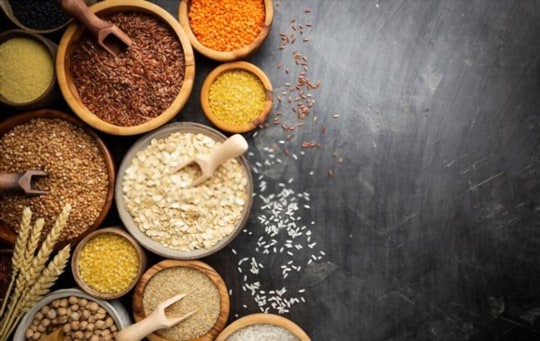
The composition of grains and cereals is quite similar as both are considered plant-based sources.
However, there are notable differences in their nutrient content, which can affect our overall health.
Grains generally have a higher protein content than cereals and are rich in fiber, vitamins, and minerals such as magnesium and zinc.
They also contain complex carbohydrates that provide slow-release energy to keep us feeling full for longer.
On the other hand, cereals are lower in protein but higher in carbohydrates.
They are often fortified with vitamins and minerals to enhance their nutritional profile.
Cereals are also an excellent source of quick-release energy due to their high sugar content.
Considering the nutrient content of both grains and cereals is important when choosing which one to include in meals.
Grains offer more significant nutritional benefits than cereals due to their high fiber content that aids digestive health and helps control blood sugar levels.
Also, consuming grains can also reduce the risk of heart disease, stroke, and cancer.
Still, cereals have their advantages.
As they are easy to prepare, often come fortified with essential vitamins, and offer a readily available source of energy - making them ideal for a quick breakfast or snack.
While cereals themselves aren't often described as 'whole foods,' combining them with yoghurt or milk and fruits makes an easy to assemble and nutritionally rich meal.
If you're looking to increase the nutritional value of your meals significantly, including grains would be a smart choice.
But that's not to say that cereals don't have their place in your diet.
Eating both as part of a balanced diet will allow you to enjoy the benefits of both while still meeting your nutritional needs.
For low-sugar grain-forward breakfasts and snacks, keto smoothie bowl ideas presents 16 options without heavy sugar.
Processing and Uses
The difference lies in how they are treated after harvesting.
While both are initially considered whole grains, the processing that follows determines the final product.
Grains can be produced through multiple processes such as milling, grinding, cracking or flaking.
Once processed, they can be used in a variety of ways such as bread, pasta or even beer.
Grinding wheat produces flour which is used for baking bread while barley is crushed to create malt which is an important ingredient in beer production.
Cereals on the other hand, undergo a different kind of processing altogether.
They are usually cooked, steamed or roasted before being consumed.
The most common examples of cereal products include oatmeal, corn flakes or granola bars.
Cereals are also used to create energy bars and protein shakes due to their high fiber content.
Both grains and cereals have different uses when it comes to cooking and baking as well.
Grains are commonly used for breads while cereals are popular as breakfast options due to their easy-to-prepare nature.
Overall, while both grains and cereals start out similar in composition, it's the processing and usage that determines their final form and application.
Types of Grains and Cereals

There are many different types available.
These are just a few examples - there are many more types of grains and cereals out there.
Each one has its own unique taste, texture, and nutritional value.
There can be overlap between grains and cereals - for example, rice can be considered both a grain (because it comes from a grass plant) and a cereal (because it's commonly used as a breakfast food).
However, in general, "grains" tend to refer to crops like wheat, oats, barley, etc.
While "cereals" tend to refer to crops like rice, corn, sorghum, etc.
In addition to these whole grains/cereals listed above, there are also processed versions like white rice or refined wheat flour.
These have been stripped of some or all of their nutritious components during processing.
Common Grains
Common grains are types of grains that are widely consumed and grown throughout the world.
Grains have been an essential part of human diets for thousands of years, providing a rich source of nutrition such as carbohydrates, proteins, and vitamins.
Each type of grain has its own distinctive taste and texture which makes them unique from each other.
For example, wheat provides a nutty flavor whereas corn has a sweeter taste.
They can be boiled or roasted depending on your preference.
They can also be milled into flour for baking purposes or added to salads or stir-frys.
Overall, common grains are a great source of nutrition that can be enjoyed in various ways depending on your culinary preferences.
Common Cereals
Cereals are an essential source of dietary fiber, vitamins, and minerals.
They are mainly cultivated for their seeds and come in various forms like flakes, puffs, and grains.
There are many different types of cereals available worldwide, such as wheat, maize, rice, oats, barley, rye, and sorghum.
Overall, cereals are an important part of a balanced diet due to their high nutritional value.
They are affordable and can be easily incorporated into several dishes ranging from breakfast to dinner.
How to Incorporate Grains and Cereals in Your Diet
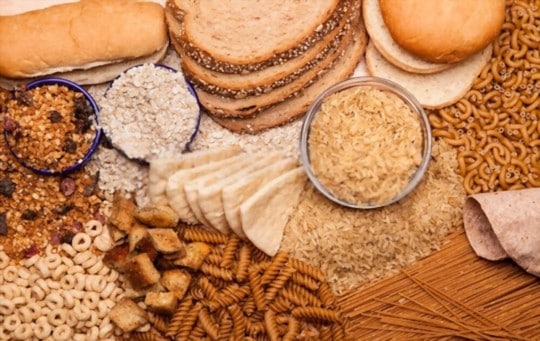
To incorporate grains and cereals in your diet, start by adding whole-grain bread or cereal to your breakfast.
This will not only provide you with complex carbohydrates to give you the energy you need, but also fiber that aids digestion and helps reduce the risk of chronic diseases such as heart disease and diabetes.
Another way to include grains is by switching from white rice to brown rice or quinoa in your meals.
Adding whole grains to soups, stews, and salads can also increase the nutritional value of your diet.
For snacks, opt for whole-grain crackers, pretzels or popcorn instead of chips or sweets.
These options not only add nutrition but also help control blood sugar levels better.
Choose those made from whole grain such as wheat or quinoa rather than refined white pasta.
Whole grain options provide a good source of fiber that our bodies need for optimal health.
Grains can also be included in meals through side dishes like bulgur wheat or barley pilaf.
You can enhance their flavor by adding herbs and spices.
Incorporating cereals would involve including them in a healthy breakfast routine with skim milk and fresh fruit compotes - this applies mostly for ready-to-eat cereals (rather than cut-off-the-cob milled ones).
Cereal bars are a good option when looking for a quick snack on the go.
Overall having an awareness around what types of grains/cereals work best with what meals/snacks helps maximize the intake of fiber-rich foods in our diets.
Key Differences Between Grains and Cereals
As you can see from the information provided
Grains refer to any type of seed that can be ground into flour or used for food, while cereals are specifically derived from grasses such as wheat, rice, and corn.
Both offer a range of nutritional benefits, including fiber, vitamins, minerals, and protein.
There are many options to choose from.
You can enjoy them in the form of breads, pastas, cereals, granolas or even popping kernels in popcorn machine.
By choosing whole grain products over refined varieties whenever possible, you'll get more fiber and nutrients in every serving.
With so many delicious options available at every mealtime - from breakfast porridge to lunch salads and dinner bowls - there's no shortage of ways to enjoy these nutritious foods in your everyday life.
So why not start experimenting with different types of grains and cereals today? Your body will thank you for it.
Frequently Asked Questions
Are you someone who doesn't know the difference between grains and cereals? They share some similarities but each has qualities that make it better suited for certain recipes.
Often, yes. The two share enough common ground that most palates won't notice a swap.
Grains is usually milder while Cereal brings more intensity.
Nutritional differences exist but are often minor in typical serving sizes. Neither is universally healthier - it depends on what specific nutrients or dietary goals you are focused on.
Which stores better after opening?
Once opened, one keeps better in the refrigerator with proper sealing.
The other may oxidize or separate more quickly, so using it promptly or in smaller quantities works better.
Many recipes borrow similar flavor swaps. key lime juice substitute ideas helps when citrus is needed. grains of paradise substitute ideas works when warm spice swaps are required.