
Do you want to make a delicious pumpkin pie but you're unsure of the difference between pumpkin pie filling and puree?
You'll learn what's the difference between these two ingredients so that you can make a heavenly pumpkin pie.
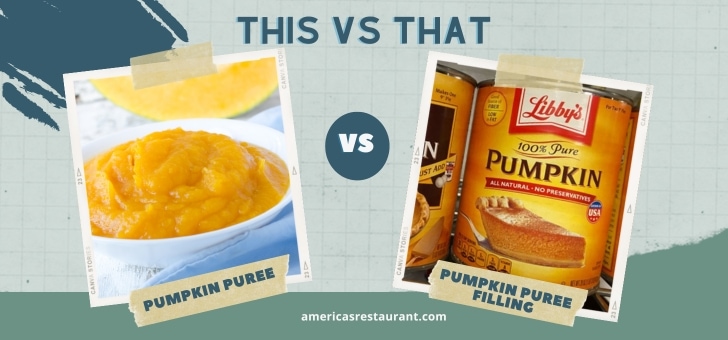
What is Pumpkin Puree?
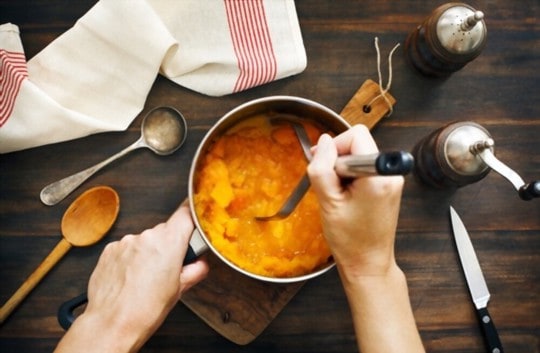
Pumpkin puree is the cooked and mashed flesh of the pumpkin fruit - see squash vs pumpkin comparison guide for how related squashes differ.
It is used in a variety of culinary applications including pies, soups, breads, and muffins.
Pumpkin puree is often made from small to medium-sized pumpkins that are roasted until tender, then blended into a smooth consistency.
Using second-person voice and conversational tone would sound like this: Now Well then let's understand more about it.
When you look at pumpkin puree, you will notice its smooth texture which may look thick in consistency.
The color itself can be described as an orange-brown which contributes to its delicious appearance.
Speaking of taste, the sweetness is slightly prominent giving it a unique flavoring sensation when put in various bakery applications like pie fillings and much more.
Coming down to nutrition value every 100 grams contain about 26 calories only hence it is not an unhealthy product indeed.
What is Pumpkin Pie Filling?

Pumpkin pie filling refers to the mixture of ingredients that are used to make a pumpkin pie.
This filling is made by blending cooked and mashed pumpkin with other ingredients such as sugar, milk or cream, eggs, cinnamon, ginger, and cloves.
Pumpkin pie filling is often sold in cans and is readily available in supermarkets during the autumn season.
As mentioned earlier, while pumpkin puree is simply cooked and mashed pumpkin which can be used for a variety of dishes including soups or casseroles.
Pumpkin pie filling contains additional ingredients such as sugar, spices and other flavorings that give it a distinct sweet taste.
The inclusion of these additional ingredients also means that pumpkin pie filling has a smoother texture than pumpkin puree.
This makes it ideal for use in pies since it has an easily spreadable consistency after being baked.
In summary, while both are made from cooked and mashed pumpkins, there are significant differences between these two ingredients in their composition as well as intended uses.
The next heading will discuss some key differences between the two ingredients in greater detail.
Different bakeware affects pie texture and rise; tart pan vs pie pan comparison explains which pan is best for a smooth custard-style pumpkin pie.
Differences Between Pumpkin Puree and Pumpkin Pie Filling
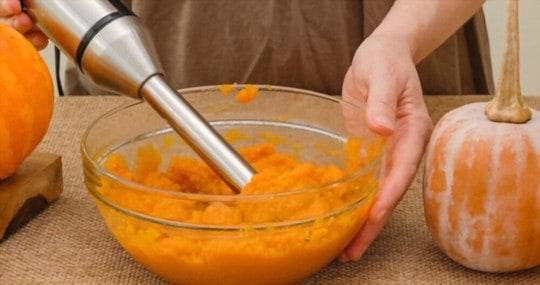
Pumpkin puree and pumpkin pie filling are two different things.
While they both come from pumpkins, there are some key differences between them.
While you can use pumpkin puree as a substitute for pumpkin pie filling in some recipes, it won't taste the same.
Pumpkin pie filling has added ingredients that give it a sweeter, spicier flavor than plain pureed pumpkin.
Also, when looking at the ingredients label on canned products in the store, make sure to check whether you're buying pureed pumpkin or actual pie filling.
The two are often placed side by side but have very different uses in cooking.
Overall, understanding the differences between these two products is important if you want to create delicious baked goods with authentic flavors.
The texture distinctions here are similar to tuber debates; potato puree vs mashed potatoes comparison breaks down how processing alters texture and mouthfeel.
Ingredients
Ingredients play a important role in any dish, and when it comes to pumpkin-based recipes, it's imperative to choose the right ingredient.
In this section, we'll discuss the ingredients required for pumpkin pie filling and pumpkin puree separately.
Pumpkin pie filling requires canned pumpkin as its primary ingredient, while pumpkin puree can be made using fresh or canned cooked pumpkin without adding any extra liquid.
Also, sweetened condensed milk and eggs are essential components of the filling.
On the other hand, there is no added sugar or liquid in a standard recipe of pumpkin puree.
Sugar is an essential ingredient for making Pumpkin Pie Filling taste sweet; however, it doesn't play any role in Pumpkin Puree since it's unsweetened.
Salt might be one of the underrated spices used in both dishes that enhance their flavors while cooking.
Finally, cinnamon, ginger, and cloves are often sprinkled on top of both dishes before putting them into bake.
Texture and Consistency
Texture and consistency play a significant role.
Pumpkin puree and pie filling might sound similar, but there are some key differences between them that could make a difference in your recipe's final product.
Pureed pumpkin has a smooth texture while pie filling has more of a pudding-like consistency.
Pumpkin pie filling is slightly thicker because it contains additional ingredients such as sugar and spices.
On the other hand, pureed pumpkin has an earthy flavor that is not too sweet like the filling.
If you're looking to make something with just pumpkin flavor without any added sweetness or spice, then you'll want to use pumpkin puree.
On the other hand, if you're preparing pumpkin pie or any other dessert requiring a spiced profile, then pumpkin pie filling would be appropriate.
In summary, knowing the difference between pumpkin puree and pie filling is essential to make sure that your recipe turns out just right.
So next time you're at the grocery store or planning to bake with pumpkins keep in mind these major differences between the two.
Flavor and Sweetness
There are a few differences that can affect your overall baking experience.
As you can see from the table, pumpkin pie filling typically has added sugar to give it a sweeter taste.
It also has spices like cinnamon, nutmeg, and ginger to give it a more complex flavor with hints of spice.
On the other hand, pumpkin puree has a more mild and earthy taste with no added sweeteners or spices.
This makes it versatile for both sweet and savory recipes since it won't overpower other flavors in your dish.
When using pumpkin pie filling in your recipes, keep in mind that the added sugar may affect the overall sweetness of your dessert.
You may need to adjust your recipe accordingly by using less sugar in other ingredients or reducing the amount of filling used.
In contrast, pumpkin puree may require additional seasoning or sweeteners depending on its intended use in your recipe.
Overall, understanding the flavor and sweetness differences between pumpkin pie filling and puree can help you create delicious dishes that meet your specific taste preferences.
For a closer look at concentrated vs subtle additions that change sweetness and aroma, read extract vs flavor comparison guide to see how extracts alter recipes.
Nutritional Value
One of the aspects that people often consider is nutritional value.
While both products are derived from pumpkins, they do have some differences in terms of their nutrient profiles.
As you can see, pumpkin pie filling is usually higher in calories, total fat, sodium and sugar than canned pumpkin puree.
This is because pumpkin pie filling typically contains added sugars and other ingredients such as spices, milk and cream that enhance its flavor and texture.
On the other hand, canned pumpkin puree usually only contains cooked and mashed pumpkin without any added sweeteners or flavorings.
This makes it a good source of dietary fiber and low in calories, sodium and sugar.
However, both pumpkin pie filling and canned pumpkin puree contain important nutrients such as vitamin A, potassium and iron.
And since they are made from real pumpkins, they also provide antioxidants and other phytonutrients that are beneficial for health.
If curious how processing and additives affect flavor profiles, yeasty wonders taste guide explores how fermentation and processing change taste.
Uses in Recipes
Pumpkin pie filling and puree are both flexible ingredients that are commonly used in a variety of recipes.
From sweet treats to savory dishes, there are countless ways to incorporate pumpkin into your meals using either of these ingredients.
It is mostly limited to baked goods, particularly pies.
This ingredient already contains sugar and spices which have been added to give it a distinct flavor.
Therefore, using this ingredient in other recipes may result in overly sweet or spiced dishes.
On the other hand, pumpkin puree can be used in both sweet and savory dishes.
In sweet dishes such as muffins, cakes, or breads, extra sweeteners like sugar or honey need to be added since pumpkin puree does not come pre-sweetened like the pie filling does.
Regarding savory options like soups or dips, pumpkin puree can add a unique flavor and texture as well.
Overall, whether you're using pumpkin pie filling or puree depends on what recipe you're making.
While the pre-sweetened mixture is perfect for baking classic pies at home during fall holidays like Thanksgiving and Halloween, the plain puree allows for more creative cooking experiences beyond dessert.
For savory uses of purees as spreads or fillings, vegan sandwich recipes with big flavor offers ideas that translate well to pumpkin-based spreads.
Popular Brands of Pumpkin Puree and Pumpkin Pie Filling
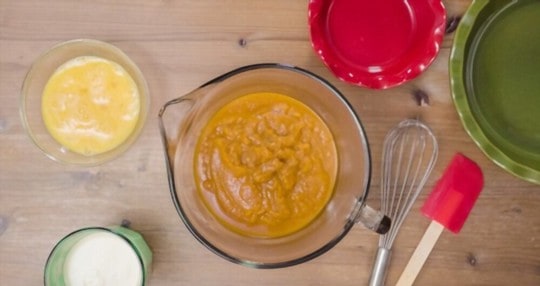
Libby's and Farmer's Market are some of the most popular brands that manufacture both pumpkin pie filling and pumpkin puree.
Libby's is known for its flavorful pumpkin pie filling, made from creamy concentrate that gives a rich flavor to any recipe.
The brand also produces smooth pumpkin puree that works perfectly in many fall-inspired dishes, from soups to cakes.
Farmer's Market Organic is another well-known brand that produces organic pumpkin puree as well as pie filling.
Made with 100% organic pumpkin and produced without any added preservatives or artificial ingredients, this brand is perfect for those on a health kick, who are looking to use wholesome ingredients in their baked goods.
Other brands that offer both varieties include Eagle Brand, One-Pie, and Great Value, which can be found at most grocery stores nationwide.
When it comes to choosing between pumpkin puree or pie filling for your recipes, the choice depends on what you're making.
If you want a convenient option for creating delicious pies without having to start from scratch, then opt for pie filling.
On the other hand, if you like creating your own unique recipes using pumpkin, such as bread or soup, then choose pumpkin puree.
Whether you choose pie filling or puree will not make much difference in terms of nutritional value because both options are made mainly from real pumpkins.
However, pie filling does come with added sugars and spices, which means that the calorie and sugar count is higher than in plain pumpkin puree.
Brand-made fillings and crust choices shape finished pies much like regional styles; Dutch vs French apple pie differences contrasts how filling and topping approaches change the result.
How to Make Homemade Pumpkin Puree and Pumpkin Pie Filling
Making homemade pumpkin puree and pumpkin pie filling is easy and a great way to add fresh, homemade flavors to your dishes.
Here's how you can do it:
For making homemade pumpkin puree and pumpkin pie filling, you will need sugar pumpkins or pie pumpkins - see 5 best substitutes for pumpkin if pumpkins are unavailable.
These are smaller in size than the carving ones and have a sweeter flavor.
Homemade pumpkin puree has a smoother consistency than canned versions since it doesn't contain additives or preservatives.
To make it, all you need to do is roast the harvested flesh, scoop it out when cooked, and blend it in a food processor till smooth.
Homemade pumpkin pie filling allows you to control the sweetness level as per your palate.
To make this version, mix up some condensed milk with spices before pouring into the roasted shell halves.
Then bake until set.
Making homemade puree and pie filling is more cost-effective than buying canned varieties at stores.
So go ahead and give it try for fresh fall flavors.
Which One Should You Choose?

When it comes to choosing between pumpkin pie filling and puree for your recipes, there are a few things to consider.
Here is a breakdown of the differences between these two options and which one you should choose for your next pumpkin-based dish.
If you're planning on making pumpkin pie, then pumpkin pie filling is the way to go as it contains added sugar and spices that are essential in creating the traditional taste of this classic dessert.
However, if you're looking for a flexible ingredient that can be used in different types of recipes such as soups, bread, or smoothies, then plain pumpkin puree would be more suitable.
Another consideration is convenience.
If time is an issue, then using canned pumpkin pie filling could save you some preparation time.
However, making your own homemade pumpkin puree may require additional effort but can offer more control over what ingredients are included in your recipe.
In summary, determining which one to choose ultimately depends on the type of recipe you want to create and how much control you want over the ingredients.
Whether using canned or homemade versions of either filling or puree, both options provide delicious ways to incorporate the distinctive flavour of pumpkin into your dishes.
Uses for Pumpkin Puree vs Pumpkin Pie Filling
On the other hand, if you want to incorporate pumpkin into other dishes like soups or stews or if you prefer a grainy texture over a smooth one, then pumpkin puree is the way to go.
However, keep in mind that it has a shorter shelf life and requires additional ingredients for flavor.
Ultimately the choice between pumpkin pie filling vs.
Puree comes down to personal preference and what you plan on using it for.
Frequently Asked Questions
Do you want to make a delicious pumpkin pie but you're unsure of the difference between pumpkin pie filling and puree? They share some similarities but each has qualities that make it better suited for certain recipes.
Often, yes. The two share enough common ground that most palates won't notice a swap.
Pumpkin Puree is usually milder while Pumpkin Pie Filling brings more intensity.
Nutritional differences exist but are often minor in typical serving sizes. Neither is universally healthier - it depends on what specific nutrients or dietary goals you are focused on.
Which stores better after opening?
Once opened, one keeps better in the refrigerator with proper sealing.
The other may oxidize or separate more quickly, so using it promptly or in smaller quantities works better.
Fall baking pairs well with seasonal drinks. Fall Delight: what pumpkin spice latte tastes like explains that profile. 5 BEST substitutes for pumpkin puree lists practical alternatives when fresh pumpkin isn't handy.