
In the kitchen showdown of the century, we're pitting fryer against roaster chickens. Yep, it's a thing.
One thrives in the heat of boiling oil, the other prefers a slow roast to perfection.
We all have that one chicken recipe that's been passed down through generations. It's like a culinary heirloom.
But here's the kicker: not all chickens are created equal.
Fryer chickens, young and tender, are your go-to for a crispy finish.
Roaster chickens, on the other hand, are the seasoned marathon runners of the chicken world, built for endurance in the oven.
We've been there, standing in the grocery aisle, staring down at poultry, making what feels like life's toughest decision.
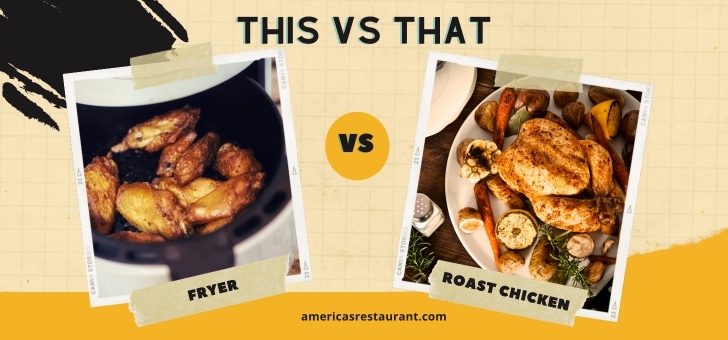
What is a Fryer Chicken?

A Fryer Chicken, often referred to as a broiler, is a young chicken that is 6-8 weeks old and weighs around 2-4 pounds.
These chickens are bred mainly for their tender and juicy meat, which is perfect for frying or grilling due to their smaller size and soft bones.
The meat of Fryer Chicken is usually more flavorful than Roaster Chicken due to the shorter life span of these chickens.
Due to their small size, Fryer Chickens also cook rapidly - see Duo Crisp vs Air Fryer comparison for appliance speed differences.
Interestingly, some people believe that the breed of the chicken makes a significant difference in its taste and texture.
For example, Cornish Cross Broilers are commonly used for commercial meat production due to their high yield but may lack the flavor that heritage breeds such as Black Australorp or Rhode Island Red offer.
Therefore, it's essential to choose your chicken based on the recipe requirements.
What is a Roaster Chicken?
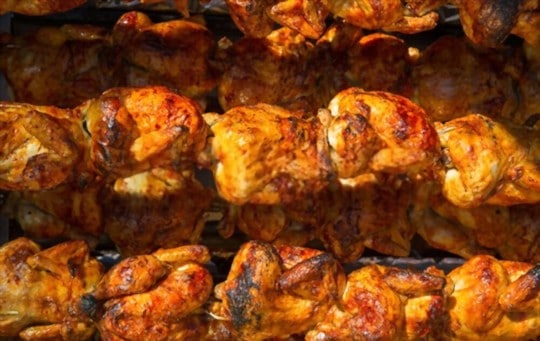
Roaster chicken is a poultry dish that is known for its tender meat and distinctive flavor.
This type of chicken is typically larger than other varieties and is specifically bred to be roasted.
Due to its size, it is often used for special occasions or family dinners.
The roasting process improves the natural flavors of the chicken, resulting in a juicy and tempting meal.
When cooking a roaster chicken, it is important to take into account its size and weight.
To ensure the meat is cooked through properly, various cooking techniques can be used such as spatchcocking, trussing or brining.
Roaster chickens are also versatile and can be stuffed with herbs or vegetables for added flavor.
One unique detail about roaster chickens is that they are often labeled differently in different regions.
For example, in some places, a roaster chicken may also be known as a 'roasting hen'.
Similarly, weight classifications may vary from region to region, with some areas referring to birds under five pounds as 'broiler chickens' while others may classify them as 'fryers'.
In summary, roaster chickens are a nice cooking experience that offer a rich flavor and tender texture when roasted properly.
With their unique size and classification differences based on location, they offer endless possibilities for experimentation in the kitchen.
Differences Between Fryer Chicken and Roaster Chicken
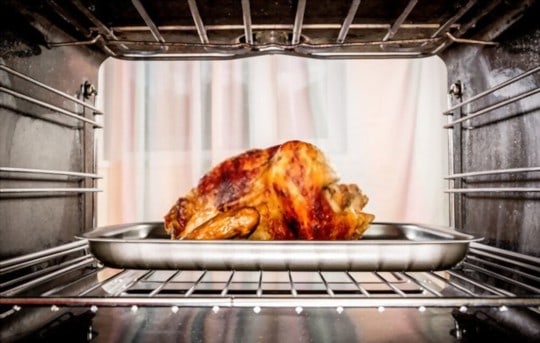
When deciding between two types of chicken, there are several key differences to consider.
The fryer chicken is usually younger and smaller, typically weighing 2.
5-4 pounds, while the roaster chicken is older and larger, usually around 5-7 pounds.
Fryer chickens are tender and leaner with minimal fat content, making them ideal for frying or grilling.
Meanwhile, roasted chickens have more fat due to their age and size, resulting in a juicier meat that is perfect for roasting.
The cooking method can greatly impact the flavor and texture of both fryer and roaster chickens - compare Air Crisp vs Air Fryer comparison to see how appliance choice changes results.
While fryers may dry out if overcooked, roasters can become tough if not properly cooked through.
This means that taking into account the cooking time and temperature is essential in achieving the desired result.
In addition to these differences, there are also variations in price and availability depending on your location and supplier.
It's worth considering where you plan to purchase your chicken from when making your decision.
Ultimately, whether you choose fryer or roaster depends on personal preference, recipe requirements, cooking method, and budget constraints.
By understanding the unique qualities of each type of chicken, you can make an informed decision based on your specific needs.
Age and Size
Juvenile and mature birds vary in size.
Hence, the age and size of chickens can affect their taste, texture and nutritional value.
A young chicken weighs around 2-3 lbs, also known as a broiler or fryer chicken.
In comparison, a mature chicken is over the age of 10 months and weighs approximately 5-7lbs, called a roaster or stewing hen.
The cooking method differs depending on the bird's age and size.
Roaster chicken has denser meat due to their age and size; however, they have more flavor with a firmer texture compared to a fryer chicken which has tender meat but lacks subtle flavor compared to its counterpart.
Roaster chicken is ideal for long, slow-cooking methods like braising or roasting that allow time for the meat to become soft and juicy.
On the other hand, fryer chickens are best suited for quicker recipes like grilling or frying.
Apart from taste preferences, roaster chickens have greater nutritional value than fryers due to their fat content being high in unsaturated fats like monounsaturated and polyunsaturated fatty acids.
These essential fatty acids are associated with lower risks of heart disease, cancers, diabetes type II as well as overall brain health.
Meat Tenderness and Flavor
The quality of meat can be judged based on its tenderness and flavor.
In the case of chicken, the same holds true.
Chicken variants like fryer and roaster have differences in terms of meat texture and taste that make them suitable for different recipes.
The texture of the fryer is more chewy and flavorful because they are younger birds with less fat content, whereas a roaster has a softer texture due to its age, higher fat content, and rich flavors.
It is important to choose the right chicken variant depending upon the desired recipe.
For instance, if you prefer a crispy exterior with juicy flesh inside, then fryer chicken will be an ideal choice over roaster chicken as it requires less cooking time due to less fat content present in their body.
On the other hand, if you want tender, juicy pieces for slow-cook recipes like casseroles or stews then go for roaster chicken as it gives out the rich flavor and requires a longer cooking process.
For a similar breakdown of how species and cut affect texture and use in recipes, see Special vs Lump crab meat comparison.
Cooking Methods and Versatility
Cooking Techniques and Adaptability play a important role in determining the best type of chicken to cook with.
The cooking process can either make or break the final product.
Knowing the right technique is essential to ensure that your chicken dish is juicy, juicy, and flavorful.
Roaster Chicken leaves Fryer Chicken far behind in terms of adaptability.
Roaster Chicken can be roasted, grilled, baked and even fried if needed.
With its tender texture and juicy flavor, Roaster Chicken is always an excellent option for any recipe that requires chicken.
On the other hand, Fryer Chicken provides a more distinct taste, flavor combination and crispiness which many dishes require like fried chicken or buffalo wings.
It is advisable to use Fryer Chicken for recipes which mandate crispy skin or a firmer texture.
While both types of chickens have their unique qualities, their adaptability plays a major role in choosing between them based on the recipe requirement.
Each lends itself well to specific cooking techniques and should be considered accordingly.
When acidity and substitutions matter for a recipe's versatility, consult White Cooking Wine vs Wine Vinegar guide for practical differences.
Cooking Time and Convenience
One important factor is the cooking time and convenience.
The type of chicken you choose can significantly impact your cooking experience by affecting how long it takes to cook and how easy it is to prepare.
To ensure that you select the right kind of chicken for your needs, follow these 6 steps:
- Consider the size of the chicken as larger chickens will take longer to cook compared to smaller ones.
- Determine whether you want a whole chicken or cuts of meat, such as drumsticks or thighs as this will also affect cooking time.
- Choose between a fryer or a roaster depending on how long you want to spend in the kitchen. Fryers are generally smaller and more convenient while roasters take longer but produce juicy meat.
- If time is a concern, consider using a pressure cooker or slow cooker to save cooking time.
- If you plan on marinating the chicken before cooking, be mindful that marination can impact cooking times by lengthening them, so adjust accordingly.
- Finally, be sure to follow proper food safety guidelines and cook until an internal temperature of 165 degrees Fahrenheit has been reached.
It's also worth noting that choosing organic or free-range chickens may take longer than conventionally farmed ones due to higher amounts of muscle and lower fat content.
For tips on quick, even oiling that speeds prep and improves crisping, see Oil Mister vs Cooking Spray comparison.
Similarities Between Fryer Chicken and Roaster Chicken

Both Fryer chicken and Roaster chicken are popular choices for poultry lovers.
The two variations of birds have some similarities in terms of their physical attributes, cooking techniques, and nutritional value.
For example, both types come from chickens that are raised for meat production.
They also require careful preparation to achieve the desired texture and flavor.
Finally, both Fryer chicken and Roaster chicken offer a good source of protein while being relatively low in fat.
There are some differences to note.
While both birds may have similar nutritional profiles, Roaster chicken is usually larger in size and takes longer to cook than a Fryer bird.
Also, Roaster chickens tend to be older and more mature at the time of slaughter compared to Fryers.
As a result, they offer a richer taste profile with greater depth of flavors.
However, it is important to keep in mind that the choice between Fryer or Roaster chicken comes down to individual preference and recipe requirements.
For instance, dishes that require less cooking time or smaller portion sizes may benefit from using Fryers instead of Roasters.
Overall, both options provide ample selection for any aspiring chef looking to cook up a delicious chicken dish.
For a look at how different sauce styles shift flavor profiles while using the same protein, see Sesame vs General Tso vs Orange comparison.
Considerations for Choosing Between Fryer and Roaster Chicken
A significant consideration is whether to opt for a fryer or roaster chicken.
Depending on your preferences and cooking style, either choice can be a great option.
Fryer chicken is usually younger than roasting chicken - between 6-8 weeks old - and weighs around 2.
They are typically more tender with delicate meat and softer bones - perfect for flash-frying or baking.
On the other hand, roaster chickens are older than fryers - about four months old - and weigh between 5-7 lbs.
Their dark meat, which is located in their thighs and legs, offers more flavor; combined with its size, making them ideal for roasting.
If you're planning on cooking up fried dishes like buffalo wings or crispy chicken tenders, then Turkey Wings vs Chicken Wings comparison can help decide which cut suits the recipe.
But if you prefer oven-baked whole bird recipes featuring a juicy, flavorful stuffing and nicely charred skin on top of a tender meat base, then roaster chicken is an excellent pick.
Although there may be little nutritional difference between these two types of chickens since both fall into the lean protein category providing essential vitamins like niacin, B6 and B12 while also being low in fat content.
In summary, based on your preferred method of cooking poultry will ultimately determine whether opting for fryer or roaster chickens makes more sense.
Meal Size and Number of Servings
Meal portions and servings play a important role in determining the type of chicken to purchase.
Both fryer and roaster chickens are suitable for different meal sizes and serving requirements.
Fryers are ideal for small meals or single servings, while roasters are perfect for larger meals or multiple servings.
Also, the amount of chicken needed also varies based on the recipe, cooking method, and dietary preferences.
For instance, a 2-3 pound fryer chicken can provide enough meat for two to three people, whereas a 5-6 pound roaster chicken can feed up to six people comfortably.
It is essential to consider these factors before deciding on which chicken to purchase for a particular meal - see FoodSaver vs Seal-a-Meal comparison for storage options that affect leftovers.
Cooking Techniques and Recipes
Cooking poultry dishes requires a variety of techniques and recipes, depending on the type of chicken being used.
One important consideration is whether to use a fryer or roaster chicken.
When it comes to cooking techniques and recipes for these two types of chickens, there are some notable differences worth exploring.
Roaster chickens are typically larger and older than fryers, which means they require longer cooking times.
They also tend to have more flavor, but can be tougher unless properly cooked.
Roasting is often the best method for cooking roaster chickens, as it allows them to cook slowly and evenly while retaining moisture.
Roasters can also be brined beforehand for added tenderness and flavor.
On the other hand, fryer chickens are younger and smaller than roasters, making them quicker to cook.
They are often more tender but may not have as much flavor as their older counterparts.
Common methods for cooking fryers include frying (as the name suggests) or baking at high temperatures for a short period of time.
Their small size makes them ideal for quick weeknight dinners or meal prepping.
Whether you prefer a fryer or roaster chicken ultimately comes down to personal taste and preference, but understanding the unique characteristics of each type can help you select the right technique and recipe for your next poultry dish.
Budget and Price
The cost of a chicken can vary significantly based on its type and weight.
As per the analysis, the fryer chickens are usually priced cheaper than roaster chickens.
However, note that the price tag should not be the only factor while making a purchase decision.
One must consider various aspects such as the nutritional value, size, cooking method, and personal preferences before making a choice.
Fryer chickens are generally smaller in size and have less fat, which makes them cook faster than roasters.
Also, they require fewer ingredients to prepare a flavorful dish.
Alternatively, roaster chickens are larger and have more fat content, giving them a tender and moist texture after cooking.
This also means they take longer to cook and require more seasoning to enhance their flavors.
It is essential to balance taste with budget while choosing between fryer or roaster chickens.
One may choose fryers for fast meals or go for roasters when catering to a larger group of people or looking for an indulgent meal experience.
Cooking Qualities of Fryer vs Roaster Chicken
After evaluating the differences between fryer and roaster chicken, it's clear that both offer distinct benefits.
Fryer chicken is the way to go.
However, if you're looking for a more flavorful and juicy taste, roaster chicken is the superior choice.
But there are other factors to consider beyond taste and ease of preparation.
Roaster chickens typically have more fat content, which can make them less healthy than their leaner fryer counterparts.
Also, they tend to be pricier at the grocery store.
Consider your priorities in terms of taste, convenience, healthiness, and budget before making a decision on which type of chicken to purchase for your next meal.
Frequently Asked Questions
Interestingly, some people believe that the breed of the chicken makes a significant difference in its taste and texture. They share some similarities but each has qualities that make it better suited for certain recipes.
Sometimes. Fryer works where Roaster Chicken is called for in certain dishes, but not all.
Check whether the recipe relies on a specific quality before substituting.
Cold preparations like salads and dressings often favor the option with a sharper, more defined flavor. Heat can mellow both, so the distinction matters more in uncooked dishes.
Do professional cooks prefer one over the other?
Professional preference depends heavily on the dish and cuisine style.
Each has its context where it outperforms the other, so most experienced cooks keep both on hand.
Both fried and ground chicken preparations share overlapping uses. Chicken Fried vs Country Fried Steak comparison explores related techniques and textures. Ground Chicken vs Ground Beef comparison helps when swapping proteins in recipes.