
In the great noodle debate, kelp noodles and shirataki stand out. Why?
They're not your average pasta.
Seriously, we've tried them all.
Kelp noodles gleam with a unique, almost alien green. They're like the cool, crunchy cousin in the noodle family.
On the flip side, shirataki noodles are the mysterious ones. Virtually calorie-free, they seem too good to be true.
We've had our moments with both.
One time, we whipped up kelp noodles in a stir-fry. Talk about a texture festival.
Then, there was the shirataki experiment. Ever tried to explain those to a skeptical friend?
Good luck.
We're about to deep-get into which noodle comes out on top.

What are Kelp Noodles?
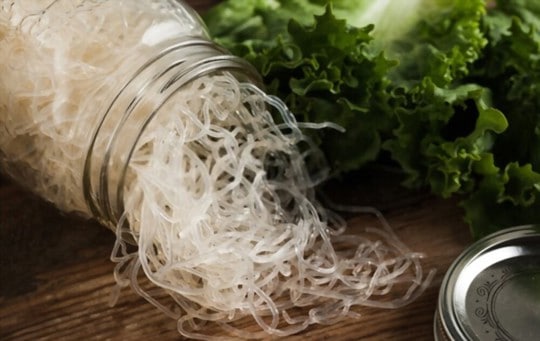
Kelp noodles are a type of noodle made from kelp, which is a type of seaweed.
These noodles are commonly used as a gluten-free and low-carb alternative to traditional pasta - learn what kelp noodles taste like and why.
They have a clear and slightly crunchy texture, but can be prepared in many different ways.
Unlike Shirataki noodles, kelp noodles have a subtle taste that can be enhanced with marinades or sauces.
Due to their high iodine content, they may also provide additional health benefits to those deficient in this nutrient.
What are Shirataki Noodles?
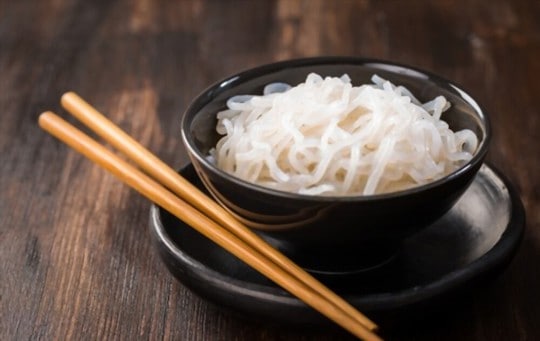
Shirataki noodles are a low-carb, low-calorie alternative to traditional pasta.
These noodles are made from the root of the konjac plant, which is native to Japan and China.
Shirataki noodles come in a variety of shapes and sizes, but they are most commonly found in long, thin strands that resemble spaghetti or fettuccine.
They have a translucent appearance and a slightly rubbery texture.
One of the key benefits of shirataki noodles is their low calorie count.
One serving of shirataki noodles contains around 10 calories, compared to 200-300 calories for a serving of traditional pasta.
Also, these noodles are high in fiber, which can help you feel fuller for longer and support healthy digestion.
However, shirataki noodles can have a somewhat unusual flavor and texture that may take some getting used to.
Some people find them slimy or overly chewy, while others appreciate their unique mouthfeel.
Overall, if you're looking for an alternative to traditional pasta that's high in fiber and low in calories, shirataki noodles could be worth trying.
Just be prepared for their distinctive texture and flavor.
Comparison of Kelp Noodles and Shirataki Noodles

Kelp noodles and shirataki noodles are two popular low-calorie, low-carbohydrate, and gluten-free options for noodle enthusiasts.
Kelp noodles are made from the powdered forms of kelp seaweed while shirataki noodles are made from the root of the konjac yam.
While both types of noodles offer unique health benefits, there are some differences to consider when choosing between them - see glass vs rice noodle comparison guide.
Kelp noodles have a slightly crunchy texture and are mainly used in cold dishes or salads.
They have a subtle ocean flavor and contain important minerals like iodine, calcium, and iron.
On the other hand, shirataki noodles are soft and gelatinous with no distinct flavor.
They can be grilled or boiled and absorb flavors well.
Shirataki is also rich in glucomannan that promotes digestive health.
Note that kelp noodles contain more calories than shirataki noodles - 20 calories per serving compared to 10 calories per serving respectively.
Also, kelp noodles have a small amount of carbs whereas shirataki contains virtually no carbohydrates making it an attractive option for people on ketogenic diets.
Origin and Composition
One cannot overlook the fact that they are widely recognized for their high iodine and mineral content.
These plants grow in a marine environment, absorbing minerals and nutrients from seawater.
Kelp noodles and Shirataki noodles are both plant-based alternatives with low calorie values and less than 1 gram net carb per serving.
However, Kelp Noodles rank higher when it comes to providing a notable level of dietary fiber.
It is worth mentioning that while Kelp Noodles have a slight crunchiness, they do not offer any taste or odor.
They present a neutral palette that allows them to integrate well with different sauces, soups or salads.
On the other hand, Shirataki noodles can be a bit difficult to digest for some people due to their glucomannan content.
However, when properly prepared by draining and parboiling, they can have an enjoyable texture that resembles traditional pasta.
Overall, both types of noodles offer great versatility in terms of adding variety to one's diet without adding unwanted calories or carbs.
By understanding their unique nutritional contents, textures and tastes, people can choose which alternative works best for them based on their personal preferences.
Texture and Appearance
The visual and textural contrast between kelp noodles and shirataki is noteworthy.
While kelp noodles are translucent and have a texture similar to glass noodles, shirataki is more opaque with a slightly sticky texture.
The slippery mouthfeel of both these noodles comes from their high water content, making them excellent alternatives to traditional pasta in low-carb dishes or gluten-free recipes.
When comparing the two, kelp noodles have a more delicate taste and work well with flavors like sesame oil or soy sauce.
However, they require soaking in water before use to remove any residual saltiness.
On the other hand, Shirataki needs to be rinsed thoroughly and then boiled for two minutes before adding it to any dish.
An advantage of Shirataki over kelp noodles is that it has almost no calories or carbohydrates, making it an ideal choice for weight-conscious individuals.
Kelp noodles have a small amount of nutrients like calcium, iron, and iodine but also contain some carbs.
Therefore choosing between the two depends on individual dietary requirements and preferences.
Flavor and Taste
Kelp noodles and shirataki have their own distinct appeal.
Kelp noodles, made from seaweed, have a slightly crunchy texture with a subtle oceanic essence that tastes refreshing and light.
On the other hand, Shirataki noodles, made from the konjac yam root, offer a more neutral flavor with a chewy texture.
Their flavor is easily enhanced by whatever sauce or seasoning is used to prepare them.
Also, what sets these two apart is how their flavors can enhance different types of dishes - read extract vs flavor differences explained to see how subtle flavor sources change a dish.
Kelp noodles are perfect for cold salads and light dishes that require crunchiness.
While Shirataki's neutral taste makes it an ideal substitute in warm soups or noodle recipes without overshadowing other flavors present in the dish.
Nutritional Content
Kelp noodles and Shirataki are popular noodle alternatives - for another pantry ingredient's flavor profile see nutritional yeast taste profile guide.
They both offer unique benefits.
Kelp noodles are rich in nutrients like calcium, iron, and iodine, while Shirataki doesn't contain any calories or carbs.
In terms of calorie count, 100g of kelp noodles provide about 10-20 calories, compared to Shirataki that has close to zero calories.
However, kelp noodles have twice the amount of carbohydrates than Shirataki.
Aside from its low calorie and carb count, Shirataki is also known for containing glucomannan fiber which helps regulate cholesterol levels and promotes weight loss.
One should be careful while opting for either noodle as improper preparation might lead to loss of nutrients which would ultimately forfeit the health benefits these alternatives have to offer.
In summary, both Kelp Noodles and Shirataki have unique nutritional contents which makes them suitable for different dietary needs.
Cooking and Preparation Methods
For optimal outcomes, cooking and preparing kelp noodles and shirataki varies - similar considerations apply in white cooking wine vs white wine vinegar when choosing cooking ingredients.
Kelp noodles need to be rinsed and can be consumed raw or boiled as a base, while shirataki requires boiling for several minutes before usage to eliminate its unique scent.
Shirataki can also be "dry-fried" in a non-stick skillet for a more palatable experience.
Both options are gluten-free, low-calorie, and suitable substitutes for pasta - but differences exist, including texture and flavors.
Health Benefits of Kelp Noodles and Shirataki Noodles
Kelp noodles and Shirataki noodles are popular low-carb, grain-free noodle options among health-conscious individuals.
But how do they compare in terms of health benefits? Let's look closer into the nutritional profile and potential health benefits of these two noodle alternatives - a similar comparison appears in ramen vs noodles health comparison.
- Kelp noodles are rich in iodine, a mineral that is essential for healthy thyroid function. One serving (about 4 ounces) of kelp noodles can provide up to 1500% of the daily recommended intake of iodine.
- Shirataki noodles, on the other hand, are virtually calorie-free and low in carbohydrates, making them an ideal choice for people following a low-calorie or ketogenic diet.
- Kelp noodles contain a type of soluble fiber called alginate, which has been shown to have prebiotic effects by promoting the growth of beneficial gut bacteria.
- Shirataki noodles contain glucomannan, a type of fiber that can slow down the absorption of food in the digestive tract and help regulate blood sugar levels. This may be particularly beneficial for people with diabetes or insulin resistance.
- Kelp noodles have a crunchy texture and mild flavor that makes them versatile in various dishes such as salads or stir-fries.
- Shirataki noodles have a gelatinous texture but can adapt to different flavors when seasoned or served with sauces. They also come in different shapes such as fettuccine, spaghetti, or rice-style grains.
While kelp noodles are more nutrient-dense than Shirataki noodles due to their higher iodine content and prebiotic fibers, they may not be suitable for everyone.
People with thyroid problems should consult their healthcare provider before consuming large amounts of kelp because excessive iodine intake can cause adverse effects.
Considerations for Choosing Between Kelp Noodles and Shirataki Noodles
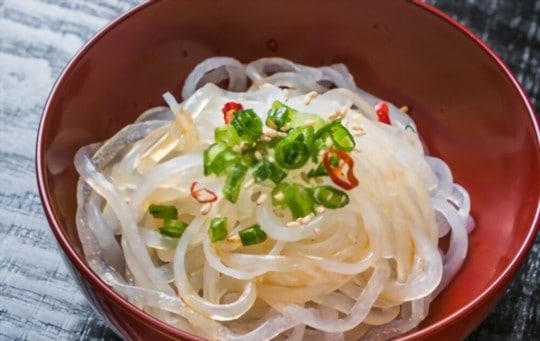
The following factors should be considered: texture, taste, and nutritional value - similar selection points appear in soba vs udon noodle differences.
Both types of noodles are low in carbohydrates, fat-free and have fewer calories.
However, they differ significantly in texture and flavor.
Kelp noodles are known for their crunchy texture and subtle taste while Shirataki noodles have a slightly slimy or rubbery texture with little flavor.
In terms of nutritional value, Kelp noodles contain vitamins A and C along with minerals like calcium, magnesium and iron whereas Shirataki noodles contain little nutrients.
People looking to boost their mineral intake will be better off consuming Kelp noodles.
Lastly, allergies should also be taken into account when choosing between the two types of noodles as they have completely different base ingredients - kelp from seaweed versus yam flour versus konjac root starch.
As both Kelp Noodles and Shirataki Noodles have their advantages depending on your palate preference and nutritional requirements it is left to personal choice which one you would prefer.
As long as adequate research is done about both products before deciding upon which product to consume it would not affect an individual's health negatively.
Dietary Preferences and Restrictions
For individuals with specific dietary requirements, it can be challenging to find suitable food options.
With various diets and health conditions, finding the right nourishment can become a hassle.
For such individuals, it is essential to choose foods that cater to their specific dietary needs conveniently.
Some of the popular choices include kelp noodles and shirataki noodles.
Kelp noodles are gluten-free, fat-free, and have a unique crunchy texture that is similar to regular noodles.
In contrast, Shirataki noodles are also gluten-free but have fewer calories and carbs than kelp noodles.
While both kelp noodles and shirataki noodles are great for carb-watchers, they do differ in taste and texture.
Those who prefer a chewy consistency might like shirataki noodles more than kelp noodles' crunchy texture.
On the other hand, those who enjoy a slight sea-like flavor might prefer kelp noodles over shirataki noodles' neutral taste.
While both these noodle alternatives come with their unique sets of advantages, one may not suit everyone's palate or dietary needs.
Therefore it is important for anyone with special dietary preferences or restrictions to consult their physician or dietitian before incorporating any new food items into their diet plan.
Texture Preference
The unique texture of food can impact a person's choice in their diet.
Both kelp noodles and shirataki noodles are popular options for those seeking low-carb and low-calorie alternatives to traditional wheat noodles.
The former has a slight chewiness, while the latter is more gelatinous.
In terms of texture preference, it ultimately boils down to personal taste.
Some people may prefer the crunchier bite of kelp noodles, which provides an enjoyable contrast when paired with a saucy dish or stir-fry.
Others may find it too rubbery for their liking and opt for the softer texture of shirataki noodles instead.
Shirataki noodles have a distinct smell that may not be appealing to everyone.
Nevertheless, this odor can be easily remedied by rinsing and boiling the noodles before consumption.
In contrast, kelp noodles do not have a strong aroma but can have a slightly fishy aftertaste due to their seaweed base.
Ultimately, when deciding between kelp noodles and shirataki noodles based on texture preference, individuals should consider what they enjoy most in terms of mouthfeel and taste when consuming a particular dish.
Experimenting with both types of noodle alternatives can also help determine one's preference.
Recipe Compatibility
The compatibility is largely determined by personal taste and the dish being prepared.
Both types of noodles are low-calorie, gluten-free, and easy to prepare.
However, kelp noodles have a slightly crunchy texture with a mild flavor and may work best in cold salads or stir-fries with light sauces.
On the other hand, shirataki noodles have a more gelatinous texture and work well in hearty soups, saucy dishes, and for noodle dishes like spaghetti or ramen.
The preparation methods can also impact recipe compatibility.
For instance, boiling shirataki noodles for two minutes can help soften their texture and remove any unwanted odors.
In contrast, soaking kelp noodles for at least 15 minutes in water with vinegar or lemon juice can help tenderize them and add some tanginess.
Overall, both kelp noodles and shirataki noodles offer unique textures and flavors that can improve various recipes.
It's recommended to experiment with both types of noodles to see which works best for your preferences and culinary needs.
Where to Buy Kelp Noodles and Shirataki Noodles?
If you're looking for a place to buy kelp noodles and shirataki noodles, there are several options available both online and in stores.
Here's a list of six places where you can find these noodles:
- Major supermarkets: Kelp and shirataki noodles are often stocked in the Asian or health food section of major grocery stores like Walmart or Target.
- Specialty health food stores: Specialty stores like Whole Foods Market or Sprouts Farmers Market stock both kelp and shirataki noodles.
- Online marketplaces: Online marketplaces like Amazon offer an array of options when it comes to kelp and shirataki noodles, with various brands and types available.
- Asian grocery stores: These stores often carry a variety of Asian ingredients, including kelp and shirataki noodles.
- Korean markets: Since these types of noodles are popular in Korean cuisine, Korean markets may have a wider selection to choose from.
- Japanese specialty shops: Japanese specialty shops also carry different types of shirataki and kelp noodles such as udon varieties.
Some brands might not be available in certain locations.
Also, prices might differ based on location or retailer.
Always check the packaging for expiration dates before purchasing.
So next time you want to buy some kelp or shirataki noodles, keep these options in mind.
Online marketplaces: Online marketplaces like Amazon offer an array of options when it comes to kelp and shirataki noodles, with various brands and types available - including alternatives listed in best substitutes for ramen noodles.
Texture and Preparation of Kelp Noodles vs Shirataki
Comparing Kelp Noodles and Shirataki, both have their own unique texture, taste, and nutritional benefits.
While Kelp Noodles are made from seaweed and have a crunchy texture, Shirataki is made from konjac yam and has a chewy texture.
Both are low in calories, gluten-free, and keto-friendly options.
However, individuals with thyroid issues should be cautious while consuming Kelp noodles due to its high iodine content.
Ultimately, the choice between these two options depends on personal preference and dietary requirements.
Frequently Asked Questions
They have a clear and slightly crunchy texture, but can be prepared in many different ways. They share some similarities but each has qualities that make it better suited for certain recipes.
They can stand in for each other in a pinch. Kelp Noodles and Shirataki overlap in some uses, but the flavor or texture will shift.
Adjust quantities to taste.
Shelf life differs based on processing and packaging. One often keeps longer unopened, while the other may need refrigeration or faster use after opening.
Which one is more forgiving in recipes?
One tends to perform more consistently across a range of cooking methods, making it the safer choice when experimenting.
The other delivers stronger results in specific applications.
Noodle Varieties pair well with many meals. Noodle Varieties: 5 Best Substitutes for Lo Mein Noodles offers useful swaps. Health Meets Flavor: What Do Zucchini Noodles Taste Like? explains how a veggie noodle changes texture and flavor.