
Ever tried dango? Bold move, if you have.
This traditional Japanese treat looks simple-just rice dumplings on a skewer.
Yet, its taste?
A full-blown mystery to the uninitiated.We're here to crack that code.
Spent a wild afternoon playing detectives in our kitchen.
Turns out, it's not just about the dumplings.
The variety of flavors will surprise you.Our first batch was a disaster, laughably so.
Yet, we persevered.
Ready for the big reveal?
What is Dango?
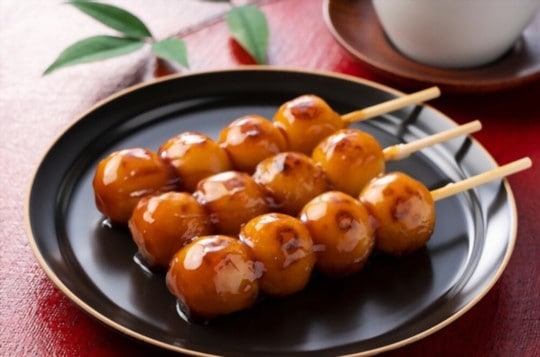
It is commonly served as a sweet or savoury dish and is often shaped into small balls.
The texture is soft and chewy, similar to mochi.
The taste of dango varies depending on the ingredients used.
Some varieties have a mild flavour while others are more strong.
Common toppings include soy sauce, sesame seeds, red bean paste, and matcha powder.
Dango can also be filled with fruit preserves or made with different types of flour for unique flavours.
dango isn't just a food in Japan; it's also a popular cultural symbol.
Dango can be found at festivals and other events throughout the country, and even appears in anime and other media as a cute and delicious treat.
What Does Dango Taste Like?
 Save for Later!
Its texture is similar to that of mochi, but with a denser and chewier consistency.
When it comes to taste, dango has a slightly sweet flavor, which is mostly derived from the toppings and sauces it's served with.
Traditional toppings range from sweet red bean paste or soy sauce to savory options like miso or bonito flakes.
Dango pairs well with green tea and can be enjoyed throughout the year, especially during festive occasions such as Hanami (cherry blossom viewing) in spring and Shichi-Go-San (a holiday for children aged 3, 5, and 7) in autumn.
Ingredients that Affect the Taste of Dango
The taste of dango is determined by the ingredients used to make it.The type and quality of flour, sweetener, and flavorings all affect its final taste.
Also, the way the dough is prepared and cooked also affects its texture and flavor.
Rice flour is a popular ingredient in making dango and imparts a mild sweetness to the dessert.
Other types of flour can be used, such as wheat or even potato starch, which can give it a different taste.
Similarly, sweeteners like sugar or honey add another layer of sweetness that goes with the other flavors.
Flavorings such as matcha powder, kinako (roasted soybean flour), or sesame seeds can be added to enhance or change the taste profile of dango.
The preparation technique can also affect its texture and taste; for example, grilling can provide a unique smoky aroma.
In summary, many ingredients affect the deliciousness of dango.
From rice flour to sweeteners to flavorings like matcha powder and kinako, each ingredient plays a role in creating this beloved Japanese treat's distinct flavor and texture.
1 - Mochiko (Glutinous Rice Flour)
Here are three points to better understand Mochiko:
- Mochiko is made from short-grain glutinous rice that has been washed, soaked, and ground into a fine powder.
- Its high starch content makes it ideal for kitchen creations such as mochi and sweet rice cakes.
- Mochiko's gluten-free property also makes it a staple ingredient for those with celiac disease or gluten intolerance.
Interestingly enough, the taste of dango may vary depending on the region in Japan where it is produced.
2 - Sugar
When it comes to the taste of dango, sugar plays a significant role.Its sweetness balances the rice cake's mild flavor and chewy texture.
Here are three points about the sugar in dango:
- The type of sugar used and the amount can affect the taste of dango.
- Some variations of dango have added flavors like green tea or sweet red bean paste that go with the sweetness from the sugar.
- The traditional way to serve dango is with a sweet soy sauce glaze that enhances its flavor.
So, while sugar is an essential ingredient, it is not solely responsible for shaping dango's overall flavor.
3 - Flavorings and Fillings
Adding a variety of tastes and textures to dango is common.Dango often has sweet or savory fillings and flavorful glazes added on top.
The most popular flavors include strawberry, green tea, red bean paste, chestnut, and sesame.
These diverse options provide an opportunity for individuals to experiment with new tastes while still enjoying the traditional Japanese dessert.
Experimenting with various combinations of filling and glaze adds complexity to the dish's flavor.
Varieties of Dango and Their Flavor Differences
Dango is a Japanese sweet delicacy made of rice flour.Each variety of Dango has its own unique flavor and texture, based on the type of ingredients used in making it.
The different varieties are colored, flavored and textured differently which give them distinctiveness.
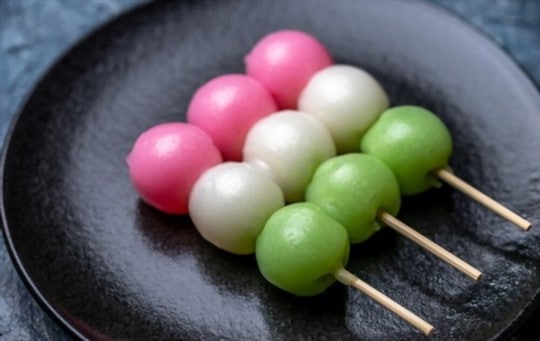
For instance, Mitarashi Dango is glazed with sweet soy sauce and has a chewy texture while Hanami Dango is pastel-colored with a soft texture and is often enjoyed during spring blossom viewing parties in Japan.
Another popular variety called Anko Dango has a red bean paste filling inside it and brings out the sweetness in the dish.
Similarly, Kuri Dango contains chestnut paste that gives it a nutty flavor.
Overall, people can experiment with different varieties and flavors of dango to find their favorite match as the list goes beyond these well-known flavors.
1 - Mitarashi Dango
Mitarashi Dango is a popular type of dango made from rice flour and served with a savory soy sauce glaze.
Here are four key points to note about Mitarashi Dango:
- It is typically skewered onto bamboo sticks.
- The soy sauce glaze gives the dango a sweet and slightly savory flavor.
- Mitarashi Dango is commonly served at festivals in Japan.
- It can also be enjoyed as an everyday snack or dessert.
It has been enjoyed in Japan for centuries and holds cultural significance.
The dish was originally served as an offering to the gods in Shinto shrines, and over time it became a popular treat for regular people too.
Today, it continues to be an important part of Japanese cuisine that represents tradition and community.
2 - Hanami Dango
This delicacy has a unique taste and texture that you wouldn't find anywhere else.
Here are five things you need to know about Hanami Dango:
- It is made up of three different colored mochi balls- pink, white, and green.
- The colors used represent Hanami's symbolic meaning - pink represents cherry blossoms' beauty, white symbolizes purity while green signifies new beginnings.
- The mochi balls are skewered onto a stick and served as a dainty treat to eat while enjoying the beautiful cherry blossoms.
- The mochi balls have a chewy texture with a slightly sweet flavor.
- It is often consumed with hot green tea or sake.
Overall, Hanami Dango is more than just food; it's an essential cultural element of Japan that represents beauty, symbolism, and tradition.
3 - Anko Dango
Made with rice flour, it is formed into small round balls and then skewered.
These balls are then coated in a rich, sweet red bean paste called anko, which gives the dango its distinct flavor.
Anko Dango is enjoyed as both a snack and a dessert in Japan.
- It has a chewy texture due to its use of glutinous rice flour.
- The sweetness from the anko paste can vary depending on the recipe.
- Anko Dango is often served as a part of tea ceremonies or street food stalls.
- It's commonly eaten during springtime to celebrate cherry blossom season.
Each bite of this delicacy provides a satisfying blend of sweetness, chewiness, and nuttiness that makes it hard to resist.
How Dango is Typically Served and Consumed?
When it comes to the traditional Japanese sweet dumpling, there are some common practices for serving and consuming.- Dango is typically served on a skewer.
- The balls are often coated in savory or sweet sauces for added flavor.
- Dango is enjoyed as either a snack or dessert in Japanese culture.
For example, some areas offer soy sauce or miso-flavored dango while others serve versions with sesame seeds or green tea powder.
Overall, by understanding how dango is typically served and consumed, one can gain a deeper appreciation for this beloved treat from Japan.
Where to Try Dango and How to Make It at Home?
Dango is a Japanese sweet treat made from rice flour and often served on a skewer.
To try Dango, one can visit traditional Japanese confectionary shops that specialize in Wagashi.
Making it at home requires simple ingredients but precision in cooking time to yield its perfect texture.
A variation of Dango flavors includes Mitarashi (sweet soy sauce), Anko (red bean paste) & Kinako (roasted soybean flour).
These are not only delicious but also provide a visual aesthetic to the dish when served together.
Key Flavor Notes of Dango
The flavor of dango comes from the ingredients used to make it, such as rice flour and sugar syrup.Its simplicity and delicate taste make it a popular dessert in Japan.
When it comes to dango toppings, there are several varieties available ranging from sweet to savory flavors, which add unique tastes to the humble mochi balls.
Some popular toppings include red bean paste, matcha powder, kinako (roasted soybean flour), sesame seeds, and soy sauce drizzle.
In summary, dango is a delicious traditional Japanese dessert with a mild sweetness and chewy texture that can be customized with various toppings.
Its cultural significance adds to its appeal as a beloved dish in Japan.
Frequently Asked Questions
The variety of flavors will surprise you. It is commonly served as a sweet or savoury dish and is often shaped into small balls.
The taste of dango varies depending on the ingredients used. Try it in a few different preparations to find which version you prefer.
Is Dango Really an acquired taste?
Some people enjoy Dango Really right away while others need a few tries.
The flavor can grow on you, especially when paired with familiar ingredients in a dish you already like.
Preparation makes a significant difference. Raw, roasted, fried, and steamed versions each bring out different qualities - sweetness, bitterness, earthiness, or richness - in the same ingredient.
Are there varieties that taste noticeably different from each other?
Yes.
Different cultivars, origins, or processing methods produce meaningful flavor differences.
If one version did not appeal to you, trying a different variety is worth the effort.