
Baba Ghanouj and Hummus. We see them at every party.
Ever been at a buffet and found yourself staring down the barrel of a veggie platter?
You reach for a dip.
But wait. One's kind of smoky; the other's creamy as a dream.
Yes, we're talking about that epic showdown: Baba Ghanouj vs. Hummus.
T4These dips. Legends in their own right.
Our first encounter? A picnic.
We mixed them up. One of us ended up double-dipping in shock.
Both come from the Middle East. Both are dip royalty.
Yet, they're not the same.
Stick with us. We're making it easy to tell them apart without a PhD in Dipology.
What is Baba Ghanouj?

Baba Ghanouj is a Levantine appetizer that has gained popularity worldwide.
It is a smoky dip with creamy texture made from mashed roasted eggplant, olive oil, lemon juice, tahini and garlic.
The dish is rich in vitamins and minerals and can be enjoyed as a dip with pita bread or vegetable sticks.
Many people often confuse Baba Ghanouj with Hummus due to their similar texture and Middle-Eastern origin.
However, Hummus is made from chickpeas, tahini, lemon juice, garlic and olive oil.
While Baba Ghanouj has an earthy taste with smoky undertones due to its roasted eggplant base, hummus has a nutty flavor and creamy consistency.
Interestingly, both dips have been used in Middle Eastern cuisine for centuries and are often served together as part of Mezze platters at gatherings.
Understanding their differences can help you choose the perfect dip for your cravings.
To contrast the smoky, savory profile of baba ghanouj, see lemon dessert pairings that brighten menus for complementary sweet options.
What is Hummus?

Hummus is a traditional Middle Eastern food dip or spread that is made by using mashed chickpeas, tahini, lemon juice, garlic and olive oil.
This smooth and creamy dip has a nutty and tangy taste with a subtle flavour.
Hummus is widely consumed as an appetizer and snack in many countries around the world due to its unique texture and delicious taste.
One of the key aspects of hummus is the use of tahini which is a paste made from sesame seeds that gives it a unique flavour.
The chickpeas used in hummus are boiled until tender before they are mashed to form a smooth paste.
The addition of garlic, lemon juice and olive oil provides natural acidity with added nutrition benefits for the body.
For additional dip pairing ideas that work with hummus, check dip pairing ideas with versatile combos to expand serving options.
Differences Between Baba Ghanouj and Hummus
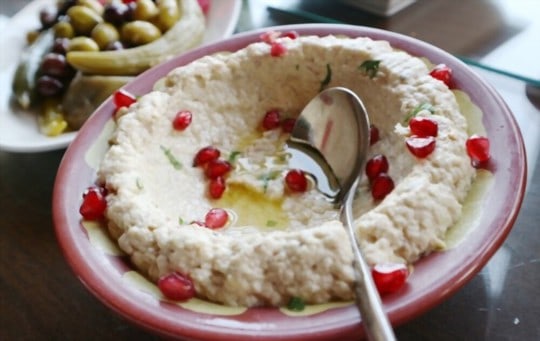
Both Baba Ghanouj and Hummus are popular Middle Eastern dips that can be found in many restaurants and grocery stores worldwide.
While they share some similarities, there are distinct differences between the two - see hummus vs tahini comparison clarifies flavors for how tahini changes hummus.
Ingredients Used
The ingredients that comprise Baba Ghanouj and Hummus are distinctive from one another.
Baba Ghanouj is predominantly made using roasted eggplant, tahini paste, lemon juice, garlic, and olive oil.
On the other hand, Hummus combines chickpeas with tahini paste, lemon juice, garlic, and olive oil to create a smooth consistency.
Each ingredient's proportion determines the flavour profile of the dish.
Primary Ingredient
The main ingredient that distinguishes Baba Ghanouj from Hummus is the type of legume used.
Hummus is made with chickpeas while Baba Ghanouj uses roasted eggplant.
Both spreads have a similar texture and are flavored with tahini, garlic, and lemon juice.
However, Baba Ghanouj has a smoky flavor due to the roasted eggplant, while hummus has a mild nutty taste.
If serving these dips alongside breakfast spreads, see 3-ingredient fruit smoothie recipes for simple pairings to round out a light meal.
Flavor and Texture
With regards to sensory characteristics, Baba Ghanouj and Hummus differ in flavor and texture - see extract vs flavor explanation of sensory terms to unpack what 'flavor' really means.
While both are creamy dips made from pureed vegetables, Baba Ghanouj is smokier due to the presence of charred eggplant.
On the other hand, Hummus has a nutty and tangy taste with a grainy texture, which comes from the chickpeas' coarser consistency.
The former is often served with warm flatbread or pita chips for dipping, while the latter pairs well with fresh veggies like carrots or celery.
Regional Variations
The regional variations of Baba Ghanouj vs Hummus are vast and significant in the cultural cuisine of the Mediterranean region.
Both dips have their origins tracing back to different parts of the Middle East, with Baba Ghanouj being from Lebanon and Syria while hummus hails from Israel and Palestine.
Baba Ghanouj is typically made from eggplant that is roasted over an open flame or grill and then mixed with staples such as tahini, olive oil, lemon juice, and garlic.
In contrast, Hummus is primarily composed of chickpeas blended with sesame seeds (tahini), garlic, olive oil, lemon juice, and salt.
Interestingly, while cilantro isn't a typical ingredient in either dish's original recipe origin story- Western-style riffs have added it since they now feature prominently in American cuisine.
Thus, understanding the differences between these two popular dips can help you appreciate their unique flavors better and improve your cooking experience by exploring various regional tweaks and inspirations that have enriched them over centuries.
Similarities Between Baba Ghanouj and Hummus
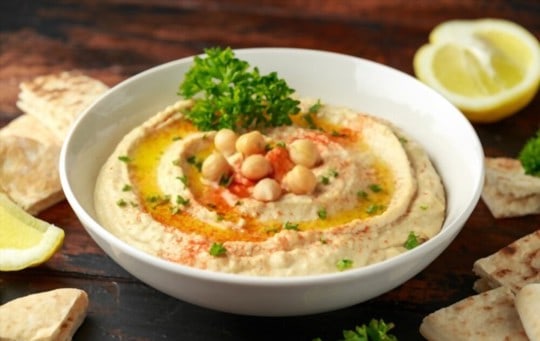
Baba Ghanouj and Hummus share several similarities.
Both dips consist of pureed legumes, specifically chickpeas in Hummus and eggplant in Baba Ghanouj - compare white bean vs chickpea hummus comparison to see how chickpea choice affects hummus texture.
They are commonly served as appetizers or snacks, topped with olive oil, spices, and herbs for flavor.
Also, both dips originated from the Middle East region and are part of the Mediterranean cuisine.
They are gluten-free, vegan-friendly, and provide nutritional value with high fiber content.
Another notable similarity is their creamy texture and versatility as dip or spread.
Hummus and Baba Ghanouj can complement various dishes like grilled meats or vegetables, pita bread, crackers or chips.
Their base ingredients also allow for customization by adding roasted bell peppers for smokiness in Baba Ghanouj or sun-dried tomatoes to Hummus for a tangy twist.
In terms of differences between these two dips, Baba Ghanouj has a more noticeable smoky flavor coming from the roasted eggplant compared to Hummus' nutty taste from tahini (a sesame seed paste).
Also, their color distinguishes them; Hummus is beige due to chickpeas while Baba Ghanouj is purplish-brown from eggplant skin.
Overall, Baba Ghanouj and Hummus have many commonalities but also have unique characteristics that make each one stand out on its own.
With their healthy ingredients and diverse taste options, these Mediterranean dips continue to be popular around the world.
Serving and Pairing Differences
Both Baba Ghanouj and Hummus are Middle Eastern dips that are quite popular among food lovers worldwide.
There are some differences between the two that make each unique in its own way.
While Baba Ghanouj has a smokier taste due to roasted eggplants, Hummus has a creamier texture with chickpeas as the base.
Baba Ghanouj is traditionally served as an appetizer or meze along with other vegetable-based sides like pickles, olives, and pita bread.
It pairs better with dishes that have strong flavors like meats, fish or grilled vegetables because of its boldness in taste.
On the other hand, Hummus is often used as a dip and spread for falafel sandwiches or wraps.
It goes well with crackers, chips and raw veggies such as carrots or cucumbers.
What sets them apart from each other is their consistency; Baba Ghanouj has more of a chunky texture while hummus is silky smooth.
Also, Baba Ghanouj contains tahini paste while Hummus can be made without it altogether, making it a better choice for those who may have nut allergies.
In summary, despite being similar in terms of country of origin and their popularity throughout the world, there are distinct differences between Hummus and Baba Ghanouj when it comes to serving and pairing options- both delicious in their own way.
Popular Variations and Additions
A variety of additions and variations are available to spice up the classic flavors of Baba Ghanouj and Hummus.
Some popular choices include adding roasted red pepper or jalapeno for heat, while others prefer the addition of toasted pine nuts, pomegranate seeds, or even parsley.
Creative chefs may experiment with different spice combinations, such as cumin, paprika, or chili flakes to provide unique tastes for each dish.
Each variation brings a new depth to these Middle Eastern staples while still maintaining their signature flavors.
Flavor and Ingredients: Baba Ghanouj vs Hummus
This comprehensive analysis has developed an explicit understanding of the differences between Baba Ghanouj and Hummus, ranging from their ingredients to nutritional value.
While both are healthy snacks rich in protein and fiber, they have varying nutritional content.
Hummus is higher in calories, whereas Baba Ghanouj is a perfect choice for calorie-conscious people.
Both dips exhibit specific cultural significance, with variations found across different regions.
Ultimately, the choice between these two dips relies on personal preference and palate.
For alternatives, consult 5 best hummus substitutes. For more on hummus flavor, read what does hummus taste like.
Frequently Asked Questions
While Baba Ghanouj has an earthy taste with smoky undertones due to its roasted eggplant base, hummus has a nutty flavor and creamy consistency. They share some similarities but each has qualities that make it better suited for certain recipes.
It depends on the dish. Baba Ghanouj and Hummus share some overlap, but each shines in different preparations.
Swapping works best in forgiving recipes like soups or stews.
Pricing varies by brand and region, but one is typically more accessible at everyday price points. The other may cost more due to specialization or limited supply.
Is there a best time to use each one?
One shines in applications requiring subtlety and background support.
The other is better when it is meant to be a center.
Matching the right one to its role makes a noticeable difference.