
In the grand scheme of dinner dilemmas, deciding between Chateaubriand and Filet Mignon tops the list.
What even is the difference?
We're here to slice through the confusion. It's meaty business, sure.
Now, I once thought "Chateaubriand" was just a fancy way of saying "I'm spending too much on dinner". Turns out, it's not just about the price.
And Filet Mignon? Oh, we've had our moments. Small, but mighty.
Here's the lowdown.
What is Chateaubriand?
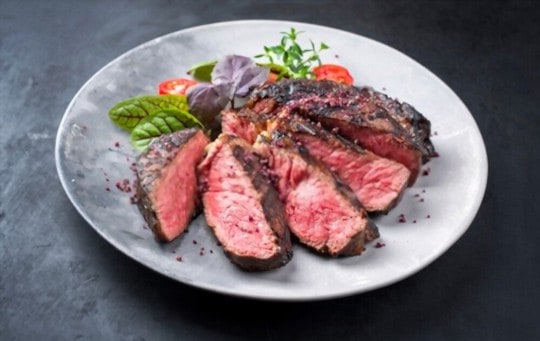
Chateaubriand is a luxurious cut of beef that comes from the tenderloin section, sourced from the thickest part of the meat.
It is often regarded as a special occasion dish and is generally larger in size than filet mignon.
While being thick, it has two ends - one being more tapered - and can be cooked whole or divided into smaller steaks.
Chateaubriand receives its name from French writer Francois-René de Chateaubriand, who popularized the preparation method in the early 19th century.
Chateaubriand possesses an intensely rich flavor that's accentuated by a caramelized crust formed during searing.
Whereas for Filet Mignon, which also hails from the same part of the cow, texture takes center stage with its tender and buttery flavors gradually dissolving in your mouth.
It has a more delicate taste with relatively less fat content.
Both cuts are highly-priced and have some similarities concerning where they come from, their differences lie primarily in how they are prepared and their culinary features.
Understanding these differences can help you choose which cut to go for depending on your preferences, cooking skills or event type.
For ideas on bright citrus pairings that complement rich beef, see lemon dessert pairings list for inspiration.
What is Filet Mignon?
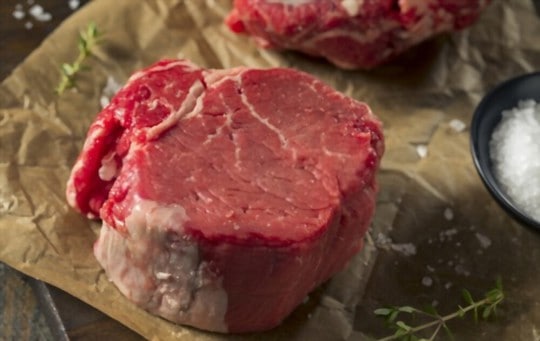
Filet Mignon is a premium cut of beef derived from the tenderloin section of a cow - see filet vs filet mignon comparison explained.
Known for its tenderness and buttery texture, it is considered a luxury meat cut.
The term "filet" means ribbon or strip in French, and "mignon" translates to cute or small.
This steak is typically 1-2 inches thick and can be cooked in various ways, including grilling, broiling, or pan-searing.
It is frequently served with sauces or topped with butter to enhance its delicate flavor.
Differences Between Chateaubriand and Filet Mignon

Chateaubriand and Filet Mignon are two popular cuts of beef with distinct differences.
While both come from the tenderloin, the Chateaubriand is a thicker and wider cut, typically meant for sharing between two people - see what to serve with chateaubriand side dishes.
The Filet Mignon, on the other hand, is a smaller portion cut from the narrow end of the tenderloin and is often cooked to individual portions.
Cut and Presentation
The cut and presentation of Chateaubriand and Filet Mignon have distinct differences.
While both come from the tenderloin, Chateaubriand is a thicker cut presented as a roast, while Filet Mignon is a thinner cut served as a steak.
The cooking method for each differs due to their size and presentation.
It's important to understand the differences between these two cuts before purchasing or preparing them.
Origin and History
Chateaubriand and Filet Mignon are two different beef cuts that often confuse people.
The origin and history of these cuts are intriguing and informative.
These cuts have different stories, which distinguish them from one another.
Chateaubriand is believed to be first discovered in the 19th century by a French diplomat named Francois Rene de Chateaubriand.
On the other hand, Filet Mignon comes from the small end of the tenderloin, is lean and tender meat with less marbling.
The difference between these cuts draws more attention to their quality when it comes to cooking.
While Chateaubriand is thick-cut steak from the center of the beef fillet with two servings, Filet Mignon is taken from the same part of the animal but only provides a single serving.
Both cuts require different methods of cooking to retain their desired texture and flavors.
For instance, Filet Mignon can be cooked using various styles like broiling, grilling or roasting, while Chateaubriand requires caramelization to seal in its juices before roasting.
In addition to this interesting history and characteristics, there are other considerations in choosing these kinds of steak.
Quality grading scale differs : for Chateaubriand the most common standard cut is choice or prime grade and can come from various areas on the tenderloin; most commonly it comes from near where a ribeye is sourced while filet mignon should usually be graded higher including being of prime or fine choice grades rather than option grade or below.
Chateaubriand vs Filet Mignon has been a subject for discussion amongst food enthusiasts globally.
Knowing more about their origin and unique characteristics allow you to choose better according to your preferences when it comes to taste textures that need special techniques for proper preparation.
Cooking Methods and Techniques
Cooking Techniques and Methods play an essential part in bringing out the best in meat dishes.
The techniques used can significantly impact the texture, flavor, and overall appeal of a dish.
Various techniques such as grilling, broiling, roasting, sautéing, frying and baking are used to cook meat excellently.
Both cuts are exceptionally tender and flavorful when cooked correctly.
But there is a slight difference between them in terms of their appearance and preparation.
Chateaubriand is a thick center cut from the tenderloin whereas filet mignon is a smaller cut from this same area served boneless.
The essential key to cooking any steak properly is to make sure that it reaches the right level of doneness without overcooking or undercooking it.
Seasoning also plays an important role in improving the flavors of both cuts while cooking them to perfection.
As with all meats, resting steak after cooking allows juices to redistribute and improves tenderness.
For sauce finishes and pan deglazing, consult white cooking wine vs vinegar comparison to pick the best option.
Flavor and Texture
The cooking experience offered by Chateaubriand and filet mignon is distinct in terms of taste, texture, and aroma - learn extract vs flavor explanation for cooking.
Chateaubriand provides a buttery and tender meat texture owing to its center cut from the beef tenderloin.
The flavor of this dish is subtly subtle with intense beef flavors that are not overpowering.
In contrast, Filet Mignon has a more intense beef flavor owing to its cut from both the thick end of the tenderloin and the thinner end.
Both cuts offer a different mouthfeel.
Chateaubriand offers a melt-in-the-mouth texture with each bite providing a pop of juices that keep your palate engaged.
On the other hand, filet mignon offers a firmer texture that retains its integrity even when cooked well done.
However, this may result in losing some tenderness that its younger counterpart Chateaubriand provides.
One unique difference between these cuts is their preparation methods.
Chateaubriand requires more skillful handling during cooking since it is best served at medium-rare temperature where it retains optimal tenderness whereas Filet Mignon can be cooked as per one's liking - rare, medium, or well-done.
In summary, while both dishes come from similar beef cuts, they offer distinct flavors and textures making them a prized delight among steak enthusiasts looking for a luxurious meal experience.
Similarities Between Chateaubriand and Filet Mignon
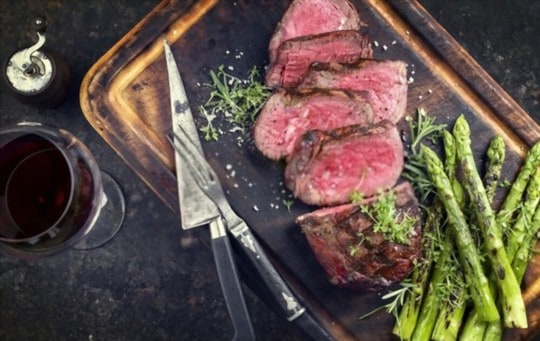
Chateaubriand and Filet Mignon are both tender steak cuts from the beef tenderloin.
They share similarities in texture, flavor, and cooking methods.
Both are lean with a mild taste that pairs well with a variety of sauces.
They are often served medium-rare to accentuate their tenderness.
However, Chateaubriand is different as it is cut from the thicker end of the tenderloin and is typically large enough to serve two or more people.
It has a more elongated shape than Filet Mignon but still delivers the same quality meaty goodness.
Also, Chateaubriand is often accompanied by side dishes like roasted potatoes and grilled vegetables while Filet Mignon can be enjoyed on its own or with a simple side salad.
Overall, understanding the differences between these two cuts of meat can help you choose which one best fits your meal preferences.
Pairings and Serving Suggestions
To fully enjoy the flavors of Chateaubriand and Filet Mignon, it is important to pair them with fitting sides and drinks.
For Chateaubriand, try roasted root vegetables or a red wine reduction sauce.
A good wine pairing would be a smooth Cabernet Sauvignon or a full-bodied Bordeaux blend.
As for Filet Mignon, consider pairing it with a creamy sauce like Béarnaise or mushroom sauce, accompanied by roasted potatoes or asparagus.
Pair it with a Pinot Noir or Merlot for optimal taste.
When serving either dish, slice against the grain for maximum tenderness and always serve hot off the grill or pan.
Keep in mind that Chateaubriand is thicker than its Filet Mignon counterpart, which requires longer cooking time but results in juicier meat.
For an elevated dining experience, consider plating the dish beautifully and garnishing with fresh herbs such as thyme or rosemary.
A complimentary appetizer could also set the tone beforehand - think escargot for Chateaubriand and baked brie for Filet Mignon.
Understanding these pairing and serving suggestions will improve your next dinner party from average to exceptional.
If the menu includes lighter summer drinks, watermelon smoothie pairing ideas suggests complementary flavors.
Selecting Between Chateaubriand and Filet Mignon
The key difference between Chateaubriand and Filet Mignon is mainly mentioned in the texture and taste of both.
The former has a thick texture, tender and juicy, while the latter is leaner.
Despite being a bit dry, it tastes deliciously rich and has a feel of velvety butter in the mouth.
Both cuts are from the beef tenderloin region but served differently as per one's preference.
It's important to try both cuts to choose what suits one's palate better.
Frequently Asked Questions
While being thick, it has two ends one being more tapered and can be cooked whole or divided into smaller steaks. They share some similarities but each has qualities that make it better suited for certain recipes.
They can stand in for each other in a pinch. Chateaubriand and Filet Mignon overlap in some uses, but the flavor or texture will shift.
Adjust quantities to taste.
Shelf life differs based on processing and packaging. One often keeps longer unopened, while the other may need refrigeration or faster use after opening.
Which one is more forgiving in recipes?
One tends to perform more consistently across a range of cooking methods, making it the safer choice when experimenting.
The other delivers stronger results in specific applications.
Chateaubriand pairs well with classic steak sides; chateaubriand side dish suggestions lists ten strong options. filet vs filet mignon comparison explained clarifies portion and presentation differences.