
Ever stood in front of the meat section, scratching your head between a tomahawk and ribeye?
You're not alone.
Today, we tackle this beefy dilemma head-on.
Armed with facts, we're slicing into what sets these steaks apart.
No fluff, just the juicy details.
Ever had a moment at a BBQ where you're the hero for picking the right steak?
That's the goal. With us, you'll get there.
You've got this, and we've got you.
What is a Tomahawk Steak?
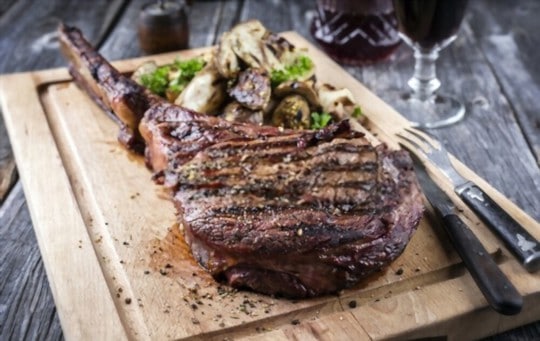
A Tomahawk Steak is a thickly cut ribeye steak that includes the bone, similar in appearance to an axe.
The ribeye is left on the bone and French trimmed, producing a long "handle" of bone, making it a visually striking cut of meat.
This style of steak is perfect for those who crave the delicious flavor and juiciness found in well-marbled steaks.
The thick cut also ensures that the steak remains juicy and flavorful when cooked, making it perfect for grilling or roasting.
Also, this type of steak is often associated with special occasions due to its unique shape and presentation.
It has become increasingly popular at high-end steakhouses as well as at home dining experiences.
To achieve the perfect level of doneness, use a meat thermometer, since there may be variations in thickness between different tomahawk steaks.
Overall, if you are looking for a luxurious and flavorful cut of beef that stands out from more conventional options like the ribeye, then try a Tomahawk Steak.
Its iconic presentation provides an unforgettable experience for any meat lover looking to indulge in something extra special.
For planning a full-course meal, consider dessert pairings such as lemon dessert pairing ideas for complementary flavors that finish the menu on a bright note.
What is a Ribeye Steak?
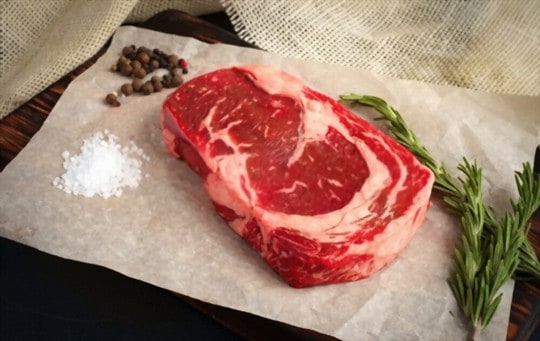
A Ribeye Steak is a cut of beef that comes from the rib primal area, more specifically, it is taken from ribs six to twelve.
It has marbled fat throughout which contributes to its tenderness and juicy flavor.
The steak is boneless, making it easy to cook and great for grilling or pan-searing.
Its appearance is characterized by a central eye of lean meat surrounded by a rim of fat that melts into the steak as it cooks.
What sets the Ribeye apart from other cuts of steak is its high concentration of fat, which makes it more flavorful than leaner cuts like filet mignon - compare club steak vs ribeye comparison to see how they differ.
While some may find the significant level of fat off-putting, many consider it to be what gives the Ribeye its signature taste.
When cooked correctly, this type of steak can provide an exceptionally delicious dining experience.
Unlike other cuts of meat, the Ribeye has several variations depending on where exactly it is cut from within the rib primal area.
Some examples include Bone-in Ribeyes and USDA Prime Ribeyes, which are considered top-quality selections for their rich marbling and strong flavors.
Regardless of where you slice it from though, one thing remains constant: if you are looking for a filling beef flavor in your next meal, then a Ribeye Steak may just be what you're looking for.
Appearance and Cut Comparison
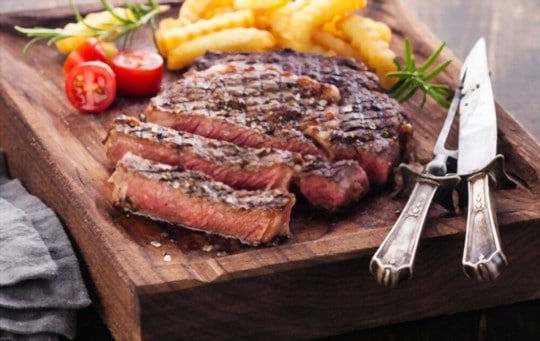
The distinct qualities of Tomahawk and Ribeye meats vary greatly when it comes to their appearance and cut.
Each meat has a unique structure and texture, which means that they are best enjoyed differently depending on one's preference.
When considering the appearance, The Tomahawk meat is a thick-cut steak with a long bone handle where the name was inspired by its resemblance to an axe.
On the other hand, Ribeye meat does not have this distinctive feature, but instead characteristically presents generous marbling throughout the cut.
As for the trade-off in terms of cut comparison, both meats do have similarities since they come from similar areas of cattle.
However, there are notable disparities to take into account.
The Tomahawk cut is usually thicker and more well-marbled than Ribeye steaks.
It also includes hefty bones along with the flavorful fat cap that gives it its taste profile.
In contrast, Ribeye steaks present more evenly spaced fat pockets running throughout the entire cut without any bones attached.
While Tomahawks and Ribeyes can indeed complement each other in various dishes; they should not be used interchangeably due to their physical differences.
Each steak can bring out the best flavors, quality, and texture when cooked according to its unique features.
When considering these two meats' differences in appearance and cut techniques would suggest preparing them individually according to their specifics rather than treating them as interchangeable cuts of beef.
Flavor and Texture Differences
The variance in sensory characteristics distinguishes the Tomahawk and Ribeye cuts of beef.
While flavor intensity characterizes both, the Tomahawk offers a more strong meaty taste with a slight nutty aftertaste, while the Ribeye is mellower - for a deeper look at how taste components differ, read extract vs flavor comparison explained.
The Tomahawk has more marbling than the Ribeye, making it tenderer and juicier.
However, they share similarities in their texture and are chewy and fatty.
Snug your selection to your preferred preferences.
Interestingly, cooking methods play an essential role in bringing out the distinct flavors of both cuts.
Due to its thickness, preparing a Tomahawk requires more technique than a Ribeye, typically searing then roasting at low heat or reverse-searing for better results.
On the other hand, a Ribeye can be cooked via grilling or pan-seared methods.
Ultimately with attention to detail on preparation techniques and seasoning preferences determines one's perfect cut.
1 - Bone-In Presentation
A bone-in presentation adds a distinct flavor to both Tomahawk and Ribeye, making the meat more juicy and flavorful.
The bone matters in heat distribution, making it a preferred choice for grilling or barbecuing.
A perfect meal for meat lovers who enjoy the rich taste and aroma of a well-cooked steak.
Both Tomahawks and Ribeyes boast of their unique characteristics, with the former being thicker and bone-looking like a medieval axe blade, while the latter is circular with marbling throughout the cut that enhances its juicy texture.
The inclusion of bone adds character to both cuts, but it's essential to take into account personal preferences when deciding which cut to choose.
When cooking Bone-In Tomahawk or Ribeye or any steak cut, it's essential to consider several key factors specific to each type of beef cut, such as temperature control, doneness level (rare/medium-rare/medium/well-done), seasoning, marination time, etc.
These factors greatly impact your final dish's taste and glorious presentation when presented on your dinner plate.
2 - Marbling and Fat Content
High-quality meat has a characteristic that sets it apart from others, and that is its marbling and fat content.
These factors fundamentally affect the flavor, tenderness, and succulence of steaks.
Tomahawk and ribeye cuts differ significantly in their marbling and fat qualities.
While both cuts come from the same primal cut of beef, ribeye contains less intramuscular fat than the tomahawk cut.
Tomahawk steak exhibits a generous amount of white streaks or "marbling", representing visible pockets of fat spread through the musculature giving it a rich and buttery taste while ribeye has significantly less marbling.
In terms of fat content, tomahawk steak comprises more external fat along its perimeter compared to ribeye.
External fats serve as an additional source for flavor enhancement but contribute to higher calories per serving.
Ribeye contains less visible fat but has more significant amounts of evenly-distributed interior intramuscular fats that break down during cooking, adding an appealing moistness to this delicacy.
In addition to these differences in marbling and fat content, other aspects impact how these beef chunks are cooked such as thickness and bone structure.
Understanding the characteristics of each type can help restaurateurs provide tailored menus for their restaurant's customer base.
For dishes where fat content changes texture and mouthfeel, whole vs low-fat buttermilk comparison for texture explains how varying fat levels affect results in cooking.
3 - Tenderness and Juiciness
The tenderness and succulence of tomahawk steak versus ribeye steak are dependent on multiple factors, including the grade and age of meat, intramuscular fat content, cooking technique, etc.
Both cuts are rich in flavour but have distinctive textures and juice-retaining abilities.
In terms of tenderness, the tomahawk comes from the rib section but is a sub-primal cut that includes both the longissimus muscle (which makes up most of a ribeye) and the spinalis muscle (a tender portion that wraps around it).
This proximity to the spine ensures a fantastic marbling effect due to less exercised muscles.
The thickness and bone-in presentation increase moisture retention and insulation while cooking, resulting in a buttery soft interior with an outer crust that is crispy yet firm.
Comparatively, Ribeye comes from a specific part of the same section, usually without its entire cap muscle.
It has considerable marbling as well but lacks intermuscular fat deposits, which results in slightly less tender flesh than a tomahawk.
Regarding juiciness, Tomahawks certainly come out on top because they are bone-in steaks with plenty of high-fat fibres.
As a result, all those connecting tissues release moisture when heated to give you incredible juices to savour with each bite.
On the other hand, Ribeyes have slightly less fat than Tomahawks and can easily dry out if exposed to prolonged heat.
It is worth keeping in mind that cooking methods can also affect tenderness and juicy texture output for both cuts.
Whether using direct or indirect grilling or sous vide methods can drastically affect their overall meat quality experience for any eater's unique palate preferences.
Cooking Methods and Recommendations
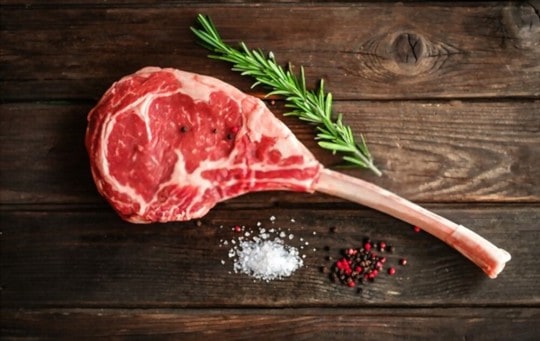
The cooking methods for these two beef cuts, Tomahawk and Ribeye, vary depending on personal preference, but recommendations can be made to ensure a great dining experience.
A key factor is the thickness or weight of the cut; thicker pieces of meat require longer cooking times to cook all the way through.
They are known for their impressive size and presentation.
A good cooking technique is to sear both sides on high heat before transferring them into an oven set at low heat until cooked to your desired doneness.
Adding herbs such as rosemary or thyme can also provide additional flavours.
On the other hand, Ribeye steak has a higher fat content than Tomahawk, making it almost always more tender and flavourful despite its smaller size.
The most recommended method for cooking ribeye is pan-searing with butter and garlic, although it can also be grilled over high heat for a smokier flavour.
Keep in mind that when choosing between these two beef cuts, taste preferences should always take priority.
It's essential to source high-quality meat cut properly by an experienced butcher to guarantee optimal results.
When choosing an acidic component for finishing or deglazing, white cooking wine vs white wine vinegar comparison for acidity helps determine which suits different cooking techniques.
Popular Cuts and Variations
Meat connoisseurs are often faced with the question of which cut of steak to choose and what sets each apart from the other.
The cooking world is full of various cuts, such as the Porterhouse, T-bone, Sirloin, Tenderloin, and Flank, among others.
Each cut has its unique features and attributes that distinguish it from another.
Among the popular cuts are Tomahawk and Ribeye steaks.
Both have distinguishing features that set them apart from each other.
Tomahawk steak is a thick cut that includes a long bone extending from the meat; this cut is perfect for those looking for a visually impressive meal.
On the other hand, Ribeye steak contains a high amount of marbling which gives it its rich flavor and tender texture.
Factors like marbling, aging, breed type, grain-finished or grass-fed can influence taste and texture.
Thus, depending on personal preferences and desired outcome in terms of flavor and tenderness, these variations should be considered when choosing a steak cut to prepare or order.
If serving a variety of meats at a gathering, cold cuts side dishes suggests ten sides that pair well with cured and sliced meats alongside steaks.
Deciding Between Tomahawk and Ribeye Cuts
Differentiating between tomahawk and ribeye can be challenging for meat lovers.
While both cuts come from the same primal area, they differ in terms of texture, tenderness, and flavor.
The tomahawk steak is a bone-in ribeye with a long frenched bone attached.
Its characteristic shape makes it a popular choice for special occasions and impressive presentations, while the ribeye steak is known for its marbling, juiciness, and tenderness.
Both cuts have distinctive qualities that make them delicious in their own way.
While both steaks are flavorful and juicy, the decision ultimately comes down to personal preference and occasion.
tomahawk steak side dishes lists seven complementary sides for big-show steaks. grilled ribeye side dishes details ten options tailored for ribeye's rich flavor.
Frequently Asked Questions
To achieve the perfect level of doneness, use a meat thermometer, since there may be variations in thickness between different tomahawk steaks. They share some similarities but each has qualities that make it better suited for certain recipes.
It depends on the dish. Tomahawk and Ribeye share some overlap, but each shines in different preparations.
Swapping works best in forgiving recipes like soups or stews.
Pricing varies by brand and region, but one is typically more accessible at everyday price points. The other may cost more due to specialization or limited supply.
Is there a best time to use each one?
One shines in applications requiring subtlety and background support.
The other is better when it is meant to be a center.
Matching the right one to its role makes a noticeable difference.