
Aji Panca and Aji Amarillo might sound like the latest dance craze, but they're actually peppers. Yes, peppers.
Think of us as your pepper pals, guiding you through the heat. Aji Panca, dark and smoky, is like that chill friend who's always down for a quiet night in.
Aji Amarillo? It's the life of the party, bringing a fruity fire to the festivities.
We'll take you on a pepper-packed ride.
By the end, you'll not only know your Panca from your Amarillo but also how to use them to turn your meals from meh to amazing.
What is Aji Panca?

Aji Panca is a Peruvian chili pepper that adds a unique flavor.
It's smoky, yet fruity and has a deep red color.
This chili pepper is often used in paste form to give stews, soups, and marinades a rich flavor.
Aji Panca is milder compared to other chili peppers.
Still, it brings a pleasant level of heat.
Its versatility and flavor make it popular in Peruvian cuisine.
Aji Panca offers health benefits as well.
It contains capsaicin with antioxidant and anti-inflammatory properties.
This helps boost the immune system and reduce pain.
It is also rich in vitamins A and C, which are essential for eye health and the immune system.
When preparing Aji Panca, handle with care.
Most heat comes from the seeds and inner membranes.
Removing them can decrease spiciness if desired.
To make paste, soak the dried chili peppers in hot water and blend into a smooth consistency.
This paste can then be stored in the fridge for several weeks.
Aji Panca should not be confused with Aji Amarillo.
Similar in flavor, there are differences.
Aji Amarillo is brighter yellow and spicier compared to Aji Panca.
The two peppers can sometimes be used together to balance flavors and create layers of spiciness.
For a comparison of similar pantry acids, Aji Mirin vs rice vinegar comparison explains how those versatile condiments differ.
What is Aji Amarillo?

Aji Amarillo is a Peruvian chili pepper with a striking yellow hue.
Its fruity flavor and medium heat level give dishes a nice kick.
Its unique taste and visuals bring great flavor to any recipe.
From sauces to marinades, or as a topping, this chili pepper adds some spice.
It is embraced by food enthusiasts around the world, and an essential ingredient in creating delicious and authentic Peruvian dishes.
If Aji Amarillo paste is unavailable, Aji Amarillo paste substitutes list offers five fiery alternatives that mimic its fruity heat.
Differences Between Aji Panca and Aji Amarillo
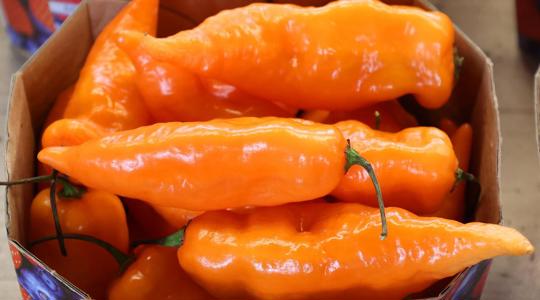
Aji Panca and Aji Amarillo are two chili peppers often used in Peruvian cuisine.
They are both bright and bring a hint of heat.
However, they are different.
Appearance and Color
In the world of spices, Aji Panca and Aji Amarillo stand out.
Unique in appearance and color, they have distinct characteristics.
Aji Panca is a dark red pepper.
Rich and earthy, its deep burgundy hue adds a special touch to any dish.
Aji Amarillo is yellow in color, radiating warmth and brightness.
Its sunny shade brings energy and liveliness.
But there's more to these peppers than just color.
Aji Panca has a wrinkled skin, giving it a rustic look.
Its texture is like dried chili peppers, adding depth.
Aji Amarillo has a smooth skin, exuding a clean and polished look.
Its surface reflects light, showing its freshness and potency.
These peppers give visual cues on taste and flavor.
Aji Panca's dark red suggests smoky and sweet, perfect for savory dishes.
Aji Amarillo's yellow hints at its fruity and tangy notes, ideal for adding zing.
flavor and Heat Level
Aji Panca and Aji Amarillo are two distinct flavors - explore an extract vs flavor comparison to understand how flavor components differ.
Aji Panca has a rich, smoky taste with a moderate spicy kick.
Aji Amarillo has a bright, fruity flavor with a mild to medium heat level.
Aji Panca has an earthy sweetness that enhances dishes.
Aji Amarillo has tropical fruitiness and subtle spiciness.
Aji Panca has a mild spiciness whereas Aji Amarillo has a mild to medium level of heat.
Aji Panca is used in Peruvian cuisine - it's an essential ingredient in dishes like ceviche and rocoto relleno.
Its deep flavor complements seafood and meat.
Aji Amarillo is also used in Peruvian cuisine.
It's in dishes like causa rellena and ají de gallina due to its tropical taste and mild spiciness.
This pepper adds flavor to savory dishes.
Culinary Uses and Popular Dishes
Aji Panca and Aji Amarillo are beloved peppers in Latin American cuisine, but they each have their own unique culinary uses and dishes.
Aji Panca has smoky undertones and a mild to medium heat level.
It's often used as a marinade or seasoning for meats and poultry.
It's a staple in Peruvian dishes like anticuchos and seco de carne.
Aji Amarillo is known for its yellow color and fruity flavor with a touch of tanginess.
It has a moderate level of spiciness that adds a kick to dishes like causa, ceviche, and ají de gallina.
Each pepper also has its own signature dish.
Rocoto relleno features the smokiness of Aji Panca, while lomo saltado uses Aji Amarillo's bright yellow color and tangy flavor.
Aji Panca and Aji Amarillo both offer distinctive flavors and spice levels for various dishes.
Whether you prefer the smokiness or the fruity tang, these peppers are sure to add flavor to your cooking.
Rice is a natural partner for many Peruvian plates; rice side dishes for salmon ideas suggests twelve preparations that also work with spicy, saucy mains.
Availability and Cultivation
Aji Panca and Aji Amarillo peppers grow in South America, particularly Peru.
These chili varieties thrive in the region's soil and climate.
Farmers tend to these plants for a big harvest.
These peppers need special cultivation for their flavors.
Aji Panca is mild and smoky.
It's usually sun-dried before use.
Aji Amarillo is spicier and harvested when ripe.
Aji Panca is widely available in Peru and can be found in many stores around the world.
Aji Amarillo may be hard to find outside Latin American markets due to limited exportation.
Similarities Between Aji Panca and Aji Amarillo

Aji Panca and Aji Amarillo are two unique peppers used in Latin American cuisine.
Both are part of the Capsicum baccatum species.
They are colorful and have medium heat levels.
These peppers are a favorite for Peruvian dishes.
Aji Panca has a smoky flavor with berry and tobacco notes.
Aji Amarillo is sweet, with hints of mango and passion fruit.
They are often used in marinades, sauces, and stews.
They bring spice without overpowering other ingredients.
Both can be used fresh or dried.
Some differences between the peppers exist.
Aji Amarillo is hotter on the Scoville scale.
It's great for those who like it spicy.
Also, Aji Amarillo is more widely available.
It is a key ingredient in Peruvian cuisine and is recognized globally.
How to Cook with Aji Panca and Aji Amarillo?
Aji Panca and Aji Amarillo are two distinct flavors from the Peruvian cuisine.
They look similar, but have their own unique qualities.
Aji Panca is deep red and has earthy undertones.
Its mild heat level makes it perfect for adding flavor to dishes without overpowering them.
To use it, rehydrate the dried peppers in warm water, remove the seeds, and blend into a paste or sauce.
Try it in a beef stir-fry or chicken braise for a smoky hint.
Aji Amarillo is bright yellow with a fruity flavor and moderate spice.
Its bright taste livens up traditional Peruvian dishes.
Deseed and devein fresh peppers, then puree and add to seafood such as ceviche or grilled shrimp.
Aji Panca and Aji Amarillo both come from the Capsicum baccatum family.
But their distinct flavors come from the different growing conditions and genetic makeup.
Aji Panca comes from Peru's coastal regions where it's cooler, and Aji Amarillo is grown in higher altitudes in the Andes Mountains.
For step-by-step techniques when cooking organ meats that pair well with bold peppers, see how to cook chicken livers guide.
Where to Buy Aji Panca and Aji Amarillo?
Finding Aji Panca and Aji Amarillo can be tough.
These two Peruvian chili peppers are hard to find in grocery stores.
But, there are several options.
- Online marketplaces, like Amazon and specialty food websites, offer a range of ingredients. Read reviews to find a reliable source.
- Visit ethnic grocery stores or Latin American markets. They often have fresh or dried Aji Panca and Aji Amarillo peppers.
- In areas with a strong Latin American community, check out the local farmers' markets. You might find these chili peppers there.
Remember, you can get these peppers dried or fresh.
Brands also offer jarred or canned versions of the paste.
For tips on locating specialty pastes and fermented staples in grocery stores, check where to buy miso in stores to see typical store sections and labeling to watch for.
Key Differences Between Aji Panca and Aji Amarillo
Summing up, Aji Panca and Aji Amarillo differ in flavor and heat.
Aji Panca has a mild smoky flavor with a hint of fruitiness.
On the other hand, Aji Amarillo has a strong fruity taste and is quite spicy.
Both are very popular in Peruvian cooking, adding more depth to the dish.
However, these peppers can't be used interchangeably in all recipes.
Each has its own unique traits.
So, if you like a subtle smoky flavor, go for Aji Panca.
If you like a spicy kick, Aji Amarillo is the one for you.
Both peppers offer a fantastic cooking experience.
Aji Mirin vs rice vinegar comparison explains how two pantry staples differ in flavor and use. rice side dishes for salmon ideas lists versatile rice preparations that pair well with spicy Peruvian sauces.
Frequently Asked Questions
Aji Panca is milder compared to other chili peppers. They share some similarities but each has qualities that make it better suited for certain recipes.
Aji Panca tends to produce more consistent results with basic kitchen equipment. Aji Amarillo may need specialized tools but can deliver standout results when done right.
Nutritional differences exist but are often minor in typical serving sizes. Neither is universally healthier - it depends on what specific nutrients or dietary goals you are focused on.
Once opened, one keeps better in the refrigerator with proper sealing. The other may oxidize or separate more quickly, so using it promptly or in smaller quantities works better.