
Summary of key points
The main difference between tepache and kombucha lies in their fermentation process and ingredients. Tepache is a traditional Mexican fermented drink made from pineapple, piloncillo (unrefined cane sugar), and spices, while kombucha is a fermented tea beverage made with tea leaves, sugar, and a SCOBY (symbiotic culture of bacteria and yeast).
In terms of flavor, tepache has a sweet and tangy taste with hints of spice, while kombucha has a slightly sour and effervescent taste due to the fermentation process.
Another distinction is their health benefits. Tepache contains probiotics from the fermentation process, which can aid in digestion and boost the immune system, while kombucha may also have similar benefits along with potential antioxidant and anti-inflammatory properties.
Whether you're looking for a refreshing and flavorful drink or potential health benefits, both tepache and kombucha offer unique options that can add variety to your beverage choices. Just be sure to choose high-quality, properly fermented products for the best results.
In the battle of trendy beverages, Tepache and Kombucha stand out.
They're not your average drinks. Tepache hails from Mexico, made from fermented pineapple.
It's sweet, tangy, and packed with history.
On the other side, Kombucha rocks the scene with its origins in Northeast China. This fermented tea is fizzy, sour, and claims a ton of health benefits.
We tried both. Not at the same time, though.
That's a wild ride for your palate we wouldn't recommend.
What is Tepache?
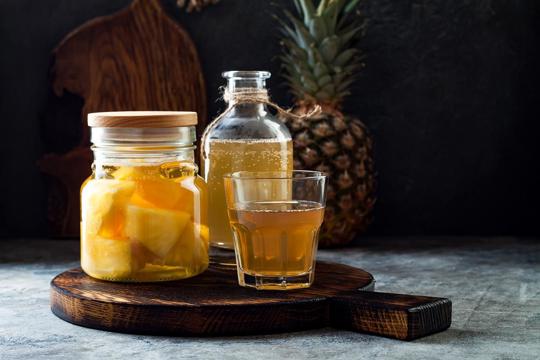
Tepache, a traditional Mexican elixir, is an enticing mix of fermented pineapple, spices, and sugar.
It has a long cultural background, stretching centuries back.
Its tempting flavor arises from the fermentation process, where wild yeasts and bacteria transform pineapple sugars into alcohol.
The outcome is a nice blend of sweet and tangy notes with a light fizziness.
People usually sip Tepache as a refreshing drink in summer or use it as a flexible ingredient in cocktails.
To understand Tepache's diverse traits, let us dig deeper.
Notably, fermentation time is essential in determining its taste and alcohol content.
Some like it mild and ferment it for a few days, while others take longer for a stronger alcoholic effect.
Also, you can enhance its flavor by adding spices like cinnamon, cloves, or even chilies.
Tepache comes with potential health perks too.
It contains probiotics that improve gut health by aiding digestion and nurturing beneficial bacteria in our bodies.
Packed with natural enzymes and pineapple antioxidants, this old-fashioned beverage offers a perfect balance of wellness and deliciousness.
What is Kombucha?

Kombucha has become popular due to potential health benefits.
It is made with a SCOBY (symbiotic culture of bacteria and yeast) in sweetened tea.
Fermentation converts sugar to acids, vitamins, enzymes and probiotics.
These give kombucha a tangy flavor and fizzy texture.
Probiotics are live bacteria that can help gut health.
They maintain balance in the digestive system and support immunity.
Kombucha also has antioxidants to neutralize free radicals.
Organic acids like acetic acid and gluconic acid, made during fermentation, can help digestion.
This may lead to better nutrient absorption and less GI discomfort.
Kombucha has many flavors, from fruity to earthy.
It may also contain herbs and spices.
Commercially available kombucha usually follows legal alcohol limits.
In short, kombucha is known for probiotics, antioxidants and potential digestive benefits.
It offers a refreshing, unique beverage experience.
If you're looking to support your gut or just enjoy something different, give kombucha a try.
Differences Between Tepache and Kombucha

Tepache and Kombucha are both fermented drinks.
But they differ in many ways.
Origin and Cultural Background
The beginnings and cultural roots of both Tepache and Kombucha are captivating.
Originating in Mexico, Tepache is a fermented beverage made with pineapple peels, sugar cane, and spices.
In contrast, Kombucha is an ancient Chinese drink created from tea fermentation.
Nowadays, their popularity has surged worldwide due to their unique flavors and potential health benefits.
Tepache has long been a staple in Mexico, but recently it has gained international attention.
The traditional recipe includes fermenting pineapples with piloncillo (unrefined sugar) and spices like cinnamon and cloves.
The end product is a fizzy, mildly alcoholic beverage with sweet and sour notes.
It's popular for its refreshing taste and can be seen on the menus of trendy bars.
Kombucha has an extensive history in China.
It's brewed using a symbiotic culture of bacteria and yeast (SCOBY) added to sweetened black or green tea.
The time to ferment can range from one to two weeks, depending on the flavor and carbonation level desired.
The outcome is a tart, effervescent elixir which may offer probiotic benefits.
The geographical influence of these two drinks is noteworthy.
While Tepache maintains its Mexican roots, Kombucha has spread to many countries with different adaptations and flavor combinations.
Ingredients Used
Tepache and Kombucha have one main thing in common: refreshment.
But the ingredients and brewing processes make them different.
Tepache is made from pineapple peels, brown sugar, cinnamon, and water.
This mix is tangy and sweet, with a hint of spice.
Kombucha uses SCOBY (symbiotic culture of bacteria and yeast) with tea leaves, sugar, and water.
This gives it a range of flavors.
Tepache and Kombucha each have their own unique charm.
They make interesting alternatives for people looking for flavourful drinks.
Fermentation Process
Fermentation is important for making Tepache and Kombucha.
But, they use different ingredients and microbes.
Tepache from Mexico is made with pineapple peels, sugar, and spices.
It's fizzy and tangy.
Kombucha from China is tea-based.
It needs sweetened black or green tea, plus a SCOBY.
Both drinks have unique flavors due to fermentation.
Tepache is tropical with a hint of spice.
Kombucha is tangy and vinegary.
Knowing about fermentation helps us appreciate the subtle differences between these two drinks.
flavor and Taste
Tepache and Kombucha are two popular fermented drinks.
They both have interesting flavors that delight people worldwide.
Tepache originates from Mexico.
It offers a blend of tanginess and sweetness from its main ingredient, pineapple.
Its taste is often described as refreshing and slightly acidic.
Plus, hints of cinnamon and other spices add more flavor to it.
Kombucha has a unique taste that is both tart and sweet.
This tea-based drink has lively effervescence that tantalizes the palate.
Its flavors come from the fermentation process, which involves a SCOBY - a combination of bacteria and yeast.
The result is a fizzy, tangy drink with many undertones.
These can vary from fruity to floral.
While Tepache and Kombucha have fermentation in common, each has its own unique qualities.
Tepache entices with its tropical essence and aromatics, while Kombucha enchants with its carbonation and complex flavor mix.
Trying these drinks lets you appreciate their individual tastes.
Carbonation Level
Carbonation level is all about the amount of fizz or bubbles in a beverage.
It's a important factor in a drink's overall taste and experience.
Tepache and kombucha are fermented drinks with unique flavors and health benefits.
But the two differ in carbonation levels.
Tepache, a Mexican drink, is lightly carbonated.
It's made from pineapple peels, water, sugar, and spices left to ferment for a few days.
Natural yeasts convert sugars to alcohol and produce carbon dioxide.
The end result is subtle effervescence that adds a refreshing touch to tepache without overpowering its other flavors.
Kombucha has a higher carbonation level.
The fermentation process involves a longer time and uses a symbiotic culture of bacteria and yeast (SCOBY).
As it consumes sugar in the tea, it produces carbon dioxide, resulting in more fizzy bubbles.
Kombucha fans appreciate the lively effervescence, as it adds liveliness to their drinking experience.
Both drinks can be served with different levels of carbonation, based on personal preferences.
Some enjoy less bubbles, others intense fizziness.
In the end, everyone can tailor their drinking experience to their liking.
Similarities Between Tepache and Kombucha

Tepache and Kombucha have things in common.
They both are fermented with a tangy taste.
Plus, they give us probiotics that are good for the gut.
Making them at home is easy too - all you need is fruit and sugar.
They have become popular as people think they are good for you.
Tepache takes less time to ferment than Kombucha.
Lastly, Tepache is usually made with pineapples, while Kombucha can be brewed with various types of tea.
Health Benefits of Tepache and Kombucha
Tepache and Kombucha both have extensive health benefits.
Here is a look at them.
Tepache provides probiotics to aid the gut microbiome.
Kombucha has detoxifying properties to remove toxins from the body.
Both beverages contain antioxidants to reduce cell damage and support health.
Tepache has vitamins and minerals, such as vitamin C and manganese.
Kombucha aids digestion and immune function.
Also, Tepache is made with pineapple peel, introducing unique enzymes and nutrients.
During fermentation, acetic acid is formed, which can offer further health advantages.
All in all, these fermented drinks can provide many health benefits.
Decide which one suits you best depending on your personal preferences and desired effects.
Where to Buy Tepache and Kombucha?
Tepache and Kombucha can easily be found.
Health food stores, tea shops, organic markets, or online retailers can provide many brands and flavors.
Enjoy the zesty tang of Tepache or the wellness benefits of Kombucha.
Get them in store or have them delivered to your home.
Don't miss out on the refreshment and health benefits they offer.
Fermentation Differences: Tepache vs Kombucha
After exploring the big differences between tepache and kombucha, we can clearly see why people may choose one over the other.
Tepache is a great drink for those who are looking to try something fresh and fruity while kombucha is perfect for someone interested in probiotic health benefits or seeking an alternative to soda.
Ultimately, whatever drink you choose, it's important to know that each offers unique flavors and health benefits that can be very desirable.
There's no right or wrong choice; rather it comes down to personal preference when choosing between the two drinks.
Whether you decide to give tepache a whirl or stick with classic kombucha, it's always fun to expand your palette and explore new flavors.
No matter which one you pick, both options will surely have something special to offer.
Frequently Asked Questions
The main difference between tepache and kombucha lies in their fermentation process and ingredients. They share some similarities but each has qualities that make it better suited for certain recipes.
In many recipes, yes. Tepache and Kombucha fill similar roles, though each brings its own character.
Try a small test batch before committing to a full swap.
Availability varies by region. One is usually a standard grocery store item while the other may require a specialty or international market depending on where you live.
Can a beginner tell the difference by taste?
In a side-by-side tasting, yes.
The difference becomes less obvious when mixed into a recipe with other ingredients.
Most people notice the distinction more clearly on its own.