
Summary of key points
Muskmelon vs Cantaloupe comparison shows that while cantaloupe is a type of muskmelon, not all muskmelons are cantaloupes. Cantaloupes have a distinct netted skin and sweet orange flesh, commonly found in North America.
Other muskmelons might vary in skin texture and flavor. The term "muskmelon" includes a broader category of melons, including varieties with smooth skins and different flavors.
It's like they're twins separated at birth. However, spoiler alert: they're not the same fruit.
Our kitchens have seen their fair share of both. Cutting into what we thought was a cantaloupe, only to discover it's muskmelon's close cousin.
Or is it the other way around?
Here's the scoop: one is a sweet glob of sunshine, and the other. also a sweet glob of sunshine. Confused?
Stay with us as we peel back the layers (pun intended) of these melon mysteries. What sets them apart isn't just skin deep.
Yes, they both might make for smashing breakfast options or get tossed into a summer salad. Yet, each brings its own flair to the table.
What is Muskmelon?

The muskmelon is a distinct fruit that belongs to the Cucurbitaceae family.
It has a green-white skin with a net-like texture. Its flesh is juicy and sweet.
Its aroma and flavor are unique compared to other melons.
Muskmelon has an oblong or spherical shape.
It can be consumed raw or used in culinary dishes, such as salads, smoothies, and desserts.
It's packed with essential nutrients including Vitamin C, Vitamin A, potassium, and dietary fiber.
Its high water content makes it a great way to stay hydrated.
Plus, the natural sugars add a sweet touch to any dish.
And, its special fragrance gives a pleasant scent to the overall experience.
Muskmelon's sweetness works well with citrus in desserts; try ideas from lemon dessert pairings list for complementary flavors.
What is Cantaloupe?

Cantaloupe is a fruit that is underestimated in the world of produce.
It is a type of muskmelon that is a part of the Cucurbitaceae family, also known as the gourd family.
Its sweet, juicy flesh is encased in a hard, ridged skin that ranges in color from pale green to a more bright, sunny orange.
Although it may seem commonplace, cantaloupe hides many nutrients.
It is high in Vitamin C, Vitamin A, and potassium, as well as being a great source of fiber.
Also, it has a relatively low glycemic index, making it a perfect option for those managing their blood sugar levels.
Cantaloupe can be eaten raw, juiced, or even grilled for an added depth of flavor.
Next time you pass by these seemingly unassuming melons in the grocery store, don't underestimate their hidden potential.
Cantaloupe's sweet-savory potential means it can appear alongside dips; see guacamole pairing ideas and combos for inspiration on unexpected matches.
Differences Between Muskmelon and Cantaloupe

Muskmelons and cantaloupes look alike - consider cantaloupe substitute suggestions for recipes when a specific variety isn't available.
Origin and Varieties
Muskmelon and cantaloupe are two well-known fruits. Muskmelons originate from Persia.
They have a glossy, ribbed outer skin and a sweet, fragrant inner flesh.
Cantaloupes, on the other hand, originate in Italy.
Their outer shell is rough and netted with a sugary, musky flavor.
They both belong to the melon family, they have their own features.
Muskmelons are usually bigger. They also have a more pronounced aroma.
Muskmelons come in different varieties like honeydew, Crenshaw, and casaba.
Each offers a different taste.
Cantaloupes are usually smaller but have a higher sugar content than muskmelons.
Muskmelons are well-known for their scent and taste.
Cantaloupes are favored for their juicy texture and sweetness.
Both muskmelons and cantaloupes have their own distinct flavors.
So the next time you are out grocery shopping, pick up one of these delicious melons and savor their special tastes.
Physical Appearance and Skin
Muskmelons and cantaloupes: two fruits that look alike, but have their own unique features.
Muskmelons have a smooth, netted skin with green and orange shades.
Cantaloupes have a rough, warty skin that is tan or yellow.
In terms of texture, muskmelons are softer and juicier than cantaloupes.
Plus, muskmelons are sweet, and cantaloupes' flavor is mild.
Muskmelons are packed with vitamin A and C.
Cantaloupes provide dietary fiber and potassium.
Deciding between muskmelons and cantaloupes? It all comes down to your preference or nutritional needs.
Flavor and Taste
Muskmelons and cantaloupes have distinct flavors.
Muskmelons are sweet with tropical notes.
Cantaloupes, on the other hand, are tangier with citrus flavors - see extract vs flavor comparison for how aroma differs.
The texture of muskmelons is softer and juicier than cantaloupes.
So, depending on your taste, there's a melon type to suit everyone's preference.
Nutritional Content
Nutrition content is essential for discovering the health benefits and nutrient value of distinct foods.
Muskmelons and cantaloupes are no exception.
Muskmelons are packed with vitamins A and C, which are great for eye health and immune system support.
Plus, their potassium helps to keep blood pressure healthy.
Cantaloupes are full of vitamin C and beta-carotene, which gets converted to vitamin A in the body.
This helps keep skin strong, eyesight clear, and immune system functioning.
Muskmelons have a slight edge in calories over cantaloupes, but both offer a low-calorie alternative.
Plus, muskmelons have more water, making them a perfect summertime snack.
Incorporating either muskmelon or cantaloupe into your diet is a great way to get the vitamins and minerals you need.
And, it's delicious too. Enjoy the subtle sweetness of muskmelons or the bright orange flesh of cantaloupes.
Both are excellent for a nutritious diet.
For a savory, cheese-like boost in recipes that use melon, reference nutritional yeast taste guide for uses to see how it pairs.
Similarities Between Muskmelon and Cantaloupe
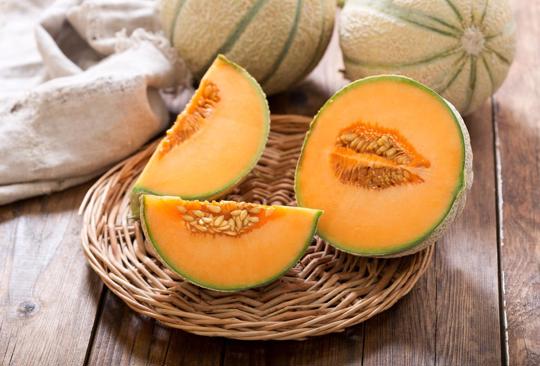
Muskmelons and cantaloupes are very alike.
Both belong to the Cucurbitaceae family and look very similar.
They come in a round or oval shape, with a rough exterior and a sweet, juicy interior.
Also, they both have a high water content, making them ideal for hot summer days.
Taste-wise, they have similar flavors, yet depending on the variety, there could be subtle differences.
Also, these fruits are packed with vitamins and essential nutrients like A, C, potassium and fiber.
Eating either muskmelon or cantaloupe can help with a healthy diet and overall well-being.
However, there are differences between these two fruits.
Cantaloupes have a netted skin texture and an orange flesh with a distinct aroma that gets more intense as it ripens.
Muskmelons have diverse outer colors, from green to yellow or even orange, while the inside can be pale green or peach-colored.
To keep either melon fresh longer, consult cantaloupe shelf life and storage tips for best practices.
How to Select and Store Muskmelon and Cantaloupe
Picking and storing muskmelon and cantaloupe requires careful attention.
Here's how to select the best fruits and keep them fresh:
- Look for an oval-shaped, firm rind with an even color. Avoid any bruises or soft spots.
- Gently sniff the stem end. Sweet aroma indicates ripeness.
- Tap the rind with your knuckles. A hollow sound is a good choice.
- Feel the weight. Heavier melons usually mean ripe and juicy.
- Store at room temperature until ripe. Then, put them in the fridge for up to 5 days.
Don't cut the melons until you're ready to eat.
Also, don't forget to wash them before slicing.
Now you know how to select and store muskmelon and cantaloupe correctly, so get ready for delicious fruit at any time.
Culinary Uses of Muskmelon and Cantaloupe
Muskmelon and cantaloupe are delicious and versatile.
Their sweet, juicy flesh makes them great for desserts like fruit salad, smoothies, and sorbets.
They also add an awesome burst to savory dishes like salads, salsas, and kebabs.
Plus, these melons can be used as decorations.
Slice or ball them up and add to a fruit platter or use them to garnish cocktails.
You can also blend them into summer drinks or make them into frozen popsicles.
Also, these melons are good for baking.
Puree them and add to cakes, breads, muffins, or top tarts and pies.
The natural sweetness reduces the need for extra sugar.
They pair well with other fruits too, such as berries, citrus fruits, and tropical fruits like pineapple and mango.
Mixing different flavors can bring any dish or beverage to the next level.
Both that, but muskmelon and cantaloupe can be roasted or grilled to develop unique flavors.
This improves stir-fries and roasted vegetable medleys.
These melons offer endless possibilities in the kitchen.
So go ahead and get creative with your cooking.
Which Rice to Pick: Persian or Basmati
To recap, the difference between muskmelon and cantaloupe lies in its skin texture and color, seed color, flavor, health benefits, and origin.
Muskmelon has a low seed count, matte finish light green rind with white stripes or netting lines along it's length with mild sweet flavor that is high in Vitamin C and fiber whereas Cantaloupe has higher number of seeds , spotted orange rind with a deep yellow hue underneath it and highly aromatic sweet flavor that provides antioxidants benefits as well.
Its important to remember that both fruit are the same species and can be found throughout the world.
In short if you want enhanced nutrition benefits or milder tasting melons , musk melons are great way to experience nutritious sticky deliciousness.
So now you know the difference - so hit up your local produce stand for some heavenly delicious watermelons.
Frequently Asked Questions
Muskmelon vs Cantaloupe comparison shows that while cantaloupe is a type of muskmelon, not all muskmelons are cantaloupes. They share some similarities but each has qualities that make it better suited for certain recipes.
They can stand in for each other in a pinch. Muskmelon and Cantaloupe overlap in some uses, but the flavor or texture will shift.
Adjust quantities to taste.
Shelf life differs based on processing and packaging. One often keeps longer unopened, while the other may need refrigeration or faster use after opening.
Which one is more forgiving in recipes?
One tends to perform more consistently across a range of cooking methods, making it the safer choice when experimenting.
The other delivers stronger results in specific applications.
Swap options are available for recipes that call for cantaloupe; see cantaloupe substitute suggestions for recipes. Cantaloupe shelf life and storage tips helps maintain freshness when storing or prepping.