
From medicinal purposes to delicious chutneys, the versatility of amla or Indian gooseberry is undeniable.
But there is more to this interesting sourberry found everywhere in India.
Amla is native to India and is a beloved source for many purposes.
You can find them in several Indian dishes, particularly pickles, dips, juices, etc.
But people use them mainly as a form of medicine.
This berry works wonders for your hair and skin and is an excellent immunity booster.
We will talk about their benefits later on.
But first and foremost, what does amla taste like? You are about to find out below.
What is Amla?
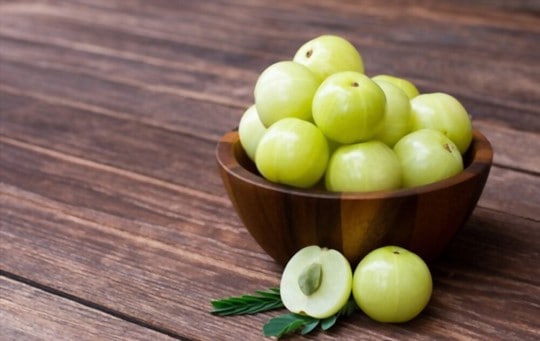
Its biological name is Phyllanthus emblica.
You can find gooseberries in abundance in the southern regions of Asia.
These areas have a tropical or subtropical climate that is the perfect weather for amla cultivation.
The trees can grow anywhere between three to 20 feet in height.
You can recognize them instantly because the leaves resemble the touch-me-not plant.
The fruits are green in color and spherical in shape.
Harvest time is usually around the autumn months, like September and October.
Gooseberries taste okay eaten raw, although some people do not enjoy them.
But it is traditionally served in the form of pickles.
Candied amlas are also a favorite among Indians.
Another neat feature of amlas is its purpose as traditional medicine.
People have used amla as an Ayurvedic medicine since ancient times.
They are excellent remedies for diabetes, digestion, weight loss, improved eyesight, skin, etc.
Taste Description of Amla Fruit
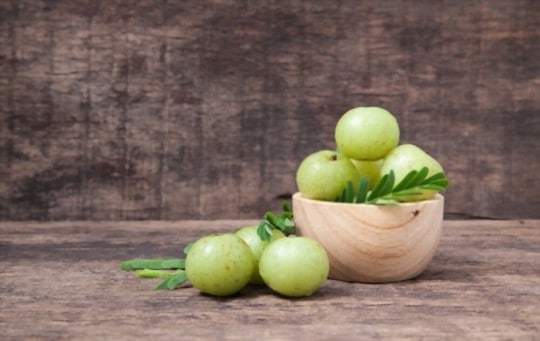
We can narrow its taste down to a mix of sour and sweet.
But it is more sour than sweet.
You can also taste a little bit of bitterness as you chew.
And you don't get this mix of flavors with many fruits.
It leaves a tangy sweet aftertaste accompanied by a craving for water.
Eating amla makes you thirsty, and when you drink water, it tastes sweet.
This is because our saliva converts the carbs into a disaccharide called maltose.
The resulting sweetness is fresh and lasts for some time.
Also, amla has a fibrous and juicy texture.
We can compare its texture to kiwi fruit.
But amla has a more rigid flesh compared to a softer kiwi.
People often say it tastes like lemons.
But amla's taste is more than that.
It does have that acidic sour taste that we get in lemons.
Amla's underlying sweetness is similar to green apples or wild apples.
It also has tropical notes like a pineapple if you preserve it in sugar.
Because of the bitter taste, people often pickle them with salt and sugar.
This reduces some of the bitterness.
Pickled amlas have a softer texture, and it tastes sweet and earthy.
Eating gooseberry has several health benefits.
They are rich in vitamins and antioxidants that aid in digestion and immunity.
You will get plenty of vitamin C when eating gooseberries.
They may also reduce the risks of chronic diseases like diabetes, cancer, etc.
Plus, it is basically low in fats and sugar.
So, if you're on a diet, you can always say yes to amla.
There are also several medicines and supplements that use amla as a primary ingredient.
How to Enjoy the Taste of Amla?
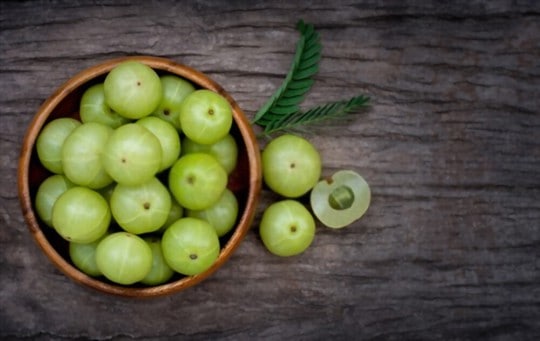
The easiest way is to eat them raw.
But if you dislike the bitterness, here are a few options you can try.
- Eat it with salt - You can sprinkle a bit of salt and enjoy it. Salt will minimize the sourness. Be sure to have lots of water after.
- Have it as a juice - Amla juice is easy to make. Cut it in half, remove the seeds, blend, and strain. You can add a bit of sugar, stir, and enjoy.
- Dry them - Dried amla is a delicacy enjoyed by many. So we're sure you'll love it too. You can dry it in the sun or use the oven or a dehydrator.
- Make amla pickle - Making amla pickle is easy and takes its flavors to another level. They are an excellent side dish with rice, puris, chapatis, etc.
- Make amla candy - Cook amla with sugar, and you get a tasty snack to munch on. It is easy to make but takes some time. However, it is worth the wait.
- Amla murabba - Another way to enjoy amla is through a delicious preserve called murabba. You can buy readymade ones. But if you want to make it yourself, it is very easy.
Culinary Uses for Amla Flavor
The bitter-sweet taste of the Indian gooseberry is not for everyone.But people from India and other South Asian countries love it for its benefits.
People who taste amla for the first time tend to spit it out in disgust.
But it is really an acquired taste.
If you are among these people, do not shy away.
Despite its weird taste, amla offers several benefits.
And if you're still hesitant, add them to chutneys, make pickles, preserve them in sugar, etc.
This will reduce some of its "harsh" flavors.
And you might enjoy it more that way.
Frequently Asked Questions
But there is more to this interesting sourberry found everywhere in India. Amla is native to India and is a beloved source for many purposes.
But first and foremost, what does amla taste like? Try it in a few different preparations to find which version you prefer.
Is Amla an acquired taste?
Some people enjoy Amla right away while others need a few tries.
The flavor can grow on you, especially when paired with familiar ingredients in a dish you already like.
Preparation makes a significant difference. Raw, roasted, fried, and steamed versions each bring out different qualities - sweetness, bitterness, earthiness, or richness - in the same ingredient.
Are there varieties that taste noticeably different from each other?
Yes.
Different cultivars, origins, or processing methods produce meaningful flavor differences.
If one version did not appeal to you, trying a different variety is worth the effort.