Summary of key points
Arepa and Pupusa are both traditional Latin American dishes with distinct differences in their preparation and ingredients. Arepas, originating from Venezuela and Colombia, are made from pre-cooked cornmeal and can be grilled, baked, or fried, often filled or topped with various ingredients.
Pupusas, from El Salvador, are made with masa (corn dough) and typically stuffed with a combination of cheese, beans, and/or pork before being cooked on a griddle.
Have you ever been to Latin America and found yourself confused with the variety of delicious dishes served?
Are some just variations on a similar theme, or is each one tastefully distinct from its counterparts?
One dish that causes major confusion for adventurous foodies is the Arepa versus Pupusa.
Both are deliciously stuffed carbs - but what are the differences between these two crave-worthy dishes?

What is Arepa?
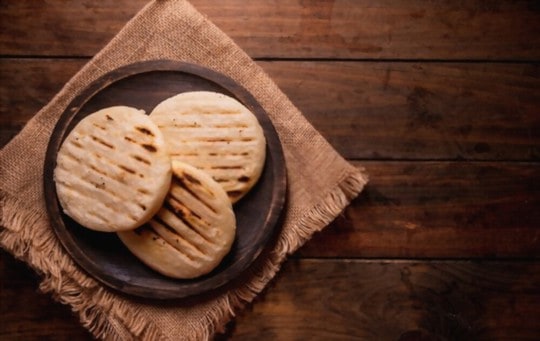
Arepa is a traditional dish from Colombia and Venezuela that has gained popularity in the United States over the years.
Made with pre-cooked cornmeal (masarepa), water, and salt, arepas are gluten-free and can be stuffed or topped with a variety of ingredients such as meat, cheese, avocado, or beans.
Arepa is often compared to another traditional dish: Pupusa.
Let's learn more about it next.
For ideas on citrus or sweet pairings that can enhance stuffed arepas, see lemon in desserts pairing ideas for compatible flavors.
What is Pupusa?
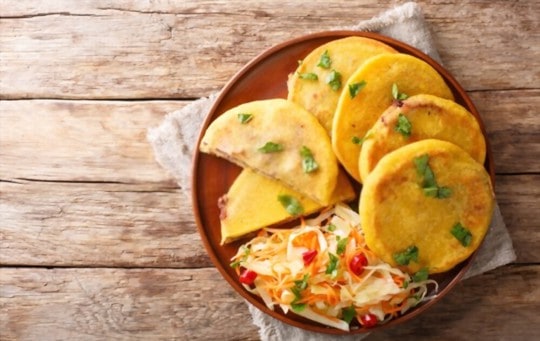
Pupusas are a traditional dish that originates from El Salvador, a small yet bright country in Central America.
These tasty delights are made of thick handmade corn tortillas and are filled with various ingredients such as cheese, beans, pork, or vegetables.
Each pupusa is pressed and molded by hand to create the perfect size and shape.
They are then cooked on a griddle until the outer shell is crispy while the inside is melted and gooey.
Pupusas are typically served with curtido, a pickled cabbage salad, and a tomato-based salsa.
They are a staple food in Salvadoran culture and can be enjoyed as a snack, lunch, or dinner.
One bite of these delicious treats, and you'll be hooked.
If serving pupusas with additional dips, pairing them with combinations from what to eat with guacamole combos can add creamy, complementary flavors.
Differences Between Arepas and Pupusas
Arepas and pupusas are two types of dishes that originate from South America.
Although they may look similar at first glance, there are significant differences between the two.
As shown in the table above, one of the most significant differences between arepas and pupusas is their shape.
While arepas tend to be round and flat like a pancake, pupusas are circular in shape but thicker due to their doughy texture.
Also, arepas have a crispy exterior with a soft inside while pupusas have a slightly chewy texture.
Another difference can be found in the fillings.
Arepas can be stuffed with various meats, cheeses or vegetables whereas pupusas typically only have one filling option such as beans or cheese.
Also, while arepa dough is made from cooked cornmeal or flour dough, pupusa dough is made specifically from masa harina (cornmeal), water and salt.
In brief summary, although both dishes share similarities being made with corn-based doughs and served stuffed, they differ in form due to the ingredients used as well as the fillings.
For side dishes that pair well with arepas, consult what to serve with arepas 7 sides to round out the meal.
Origin and History
The origin and history of Arepas and Pupusas both date back centuries ago.
Arepa, which is a popular dish in Colombia and Venezuela, has its roots dating back to the pre-Columbian era.
Native peoples in these regions used to produce a similar type of bread made from ground maize.
On the other hand, Pupusas are known as the national dish of El Salvador, with their roots tracing back almost 2,000 years to the Mayan civilization.
They were initially made using flattened cornmeal dough stuffed with beans, fish and other meats.
As you can see from the table above, while both dishes are quite popular across Latin America today, their origins differ significantly.
Restaurants serving traditional arepas started appear during the mid-20th century in Venezuela.
As international borders became more porous over time, this delicious treat slowly started making its way into several parts of South America.
Similarly for Pupusas vendors selling these delicacies began appearing on Salvadoran streets around the same time.
Today you can find pupuserias all around Los Angeles or any major desert city in California.
Ingredients Used
The ingredients used are quite different from each other.
Arepas are typically made with pre-cooked cornmeal, water, and salt mixed together to create a dough.
The dough is then often stuffed with various fillings such as cheese, meat, or vegetables.
The cheese is usually added either inside the dough or on top, while the meat and vegetable fillings tend to be added inside.
On the other hand, pupusas largely use masa harina (treated corn flour) instead of pre-cooked cornmeal for their dough composition.
This difference greatly affects how each dish turns out texture-wise.
Masa harina is known for creating denser tortilla-like texture compared to Pre-cooked corn flour.
It means that a pupusa can hold heavy fillings such as beans, meats, etc.
Without falling apart.
Also, Pupusas are generally stuffed with cheese along with other fillings like beans and/or pork.
In summary, when comparing the ingredients used in Arepas vs Pupusas dishes there are subtle differences but those differences do offer significant contrasts in terms of taste-profiles which contribute to their unique flavors.
Texture and Flavor Comparison
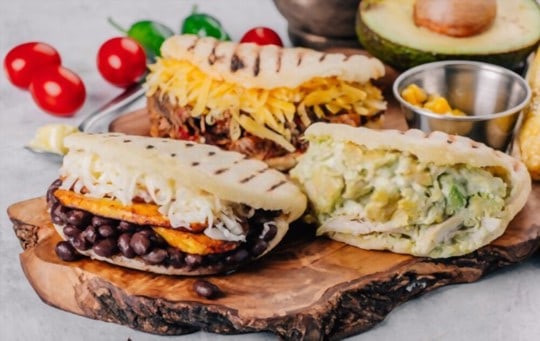
There are some notable differences to consider.
Arepas have a more dense texture, with a crispy exterior and a soft, doughy interior.
Pupusas, on the other hand, have a chewy texture that is similar to a thick tortilla.
In terms of flavor, arepas are made primarily with cornmeal and therefore have a slightly sweet taste - see extract vs flavor comparison explained for how subtle sweetness is perceived.
Pupusas are made with masa harina, which is a type of corn flour, but also contain rice flour and sometimes even beans or cheese mixed in for added flavor.
The result is a heartier and more savory taste than an arepa.
Overall, whether you prefer a denser texture or chewier bite may be one factor in choosing between an arepa or pupusa.
Similarly, your preference for sweetness versus savoriness may play into which dish you prefer.
Cooking and Serving Differences
There are noticeable differences between arepas and pupusas.
As mentioned in the table, arepas can be either grilled or fried on a griddle or skillet, while pupusas are usually cooked by grilling them on banana leaves or a flat griddle.
While there isn't much difference in the cooking method, the difference lies in the way they're served.
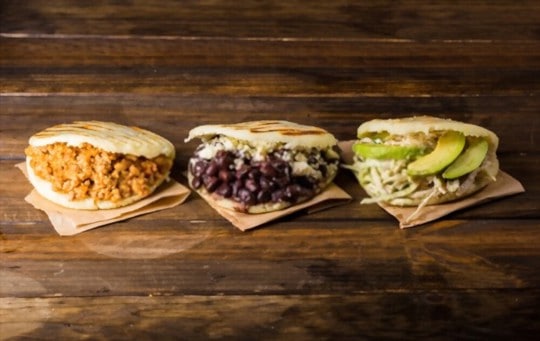
Arepas are usually sliced in half and then filled with ingredients like cheese, meats, vegetables, and sauces.
Pupusas, on the other hand, are served whole with toppings like curtido (pickled cabbage), salsa roja (red sauce), and salsa verde (green sauce) added on top.
Another notable difference is that arepas can also be baked in an oven instead of being grilled or fried.
This method of cooking is particularly useful for people who don't have access to a grill or skillet at home.
While it may alter the texture slightly, baked arepas still make for a tasty and convenient meal.
Overall, the cooking and serving differences between arepas and pupusas may seem minor but they do affect the taste and texture of each dish.
When choosing sauces or pickled toppings, knowing the difference between white cooking wine vs white wine vinegar comparison can help balance acidity and depth.
Popular Arepa and Pupusa Fillings
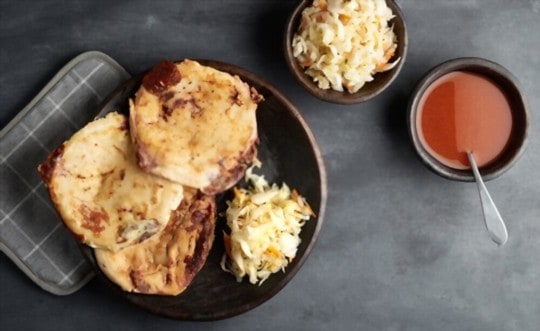
Popular Arepa and Pupusa Fillings are the soul of these two traditional Latin American dishes that have gained popularity worldwide.
Let's take a look at what makes them unique:
Arepas are made using cornmeal while Pupusas are made using Masa Harina, which is a corn-based dough.
Hence, the fillings used in both vary widely based on their texture, flavor and digestibility.
Arepas typically consist of regional staples like cream cheese, butter or avocado.
In addition to regional favorites, modern variations often incorporate global flavors like roasted pork, shredded chicken, or sautéed vegetables.
On the other hand, Central American roots influence most choices for Pupusa fillings.
They can be filled with anything from creamy refried beans to spiced meats like chicken or pork.
Both Arepas and Pupusas can also be enjoyed sweet as well savoury - dessert-style fillings may include jam and caramelized plantains for example.
The selection of Popular Arepa and Pupusa Fillings is vast - from traditional options to fusion flavours.
It's no surprise that people love experimenting with different combinations when it comes to making these delicious treats.
Arepa vs Pupusa: Key Ingredient Differences
A comparison between Arepa and Pupusa can be confusing for anyone who is not familiar with both.
While both dishes have some similarities, they are also distinctly different.
Here, we have discussed the main differences between Arepas and Pupusas.
We hope that this article has provided you with enough information to understand the difference between Arepas and Pupusas so that you can now make an informed decision about which one to try first.
Frequently Asked Questions
Arepa and Pupusa are both traditional Latin American dishes with distinct differences in their preparation and ingredients. They share some similarities but each has qualities that make it better suited for certain recipes.
In many recipes, yes. Arepa and Pupusa fill similar roles, though each brings its own character.
Try a small test batch before committing to a full swap.
Availability varies by region. One is usually a standard grocery store item while the other may require a specialty or international market depending on where you live.
Can a beginner tell the difference by taste?
In a side-by-side tasting, yes.
The difference becomes less obvious when mixed into a recipe with other ingredients.
Most people notice the distinction more clearly on its own.