
A large population of people in this world enjoys eating chicken.
It is not only savory and filling, but it is also an adequate source of protein.
Chicken is a protean dish that you can prepare in many ways.
This is why it is one of the most popular meat choices for a wide range of people.
But when you don't cook or store chicken correctly, it can spoil and lead to foodborne illnesses.
The question is, what does bad chicken taste like? Bad chicken tastes partly sour and rancid with a slimy texture.
Let's look into the details of what bad chicken tastes like and how to curb spoilage.
What is Bad Chicken?
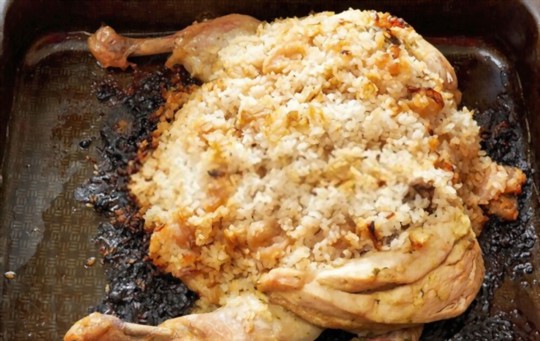
Bad chicken refers to meat that is unsafe or unhealthy for human consumption for various reasons.
It can carry harmful bacteria, such as Campylobacter and Salmonella, which can cause food poisoning and severe illness in humans.
Bad chicken can also result from improper storage, handling, or cooking methods, which can lead to bacterial growth and spoilage.
Consuming bad chicken can cause a range of health problems, including nausea, vomiting, diarrhea, fever, abdominal pain, and in severe cases, organ failure or even death.
To avoid bad chicken, we recommend always purchasing chicken from reputable sources.
Make sure to store it at the correct temperature, cook it thoroughly, and practice good hygiene and sanitation when handling raw chicken.
You should always examine the expiration date on the chicken label.
Toss out any chicken that has an off smell, unusual color or texture, or signs of spoilage.
For a very different take on 'chicken' flavor, read chicken of the wood taste guide to learn how the fungus compares.
What Does Bad Chicken Taste Like?

Spoiled chicken has a distinct flavor that most people often describe as rancid or sour.
The taste can be sharp, acidic, or metallic.
In some cases, the chicken may have a slightly sweet taste due to the breakdown of proteins in the meat.
These flavors can be overwhelming and unpleasant, making it easy to detect when the chicken has gone bad.
The texture of a bad chicken is also a significant pointer to spoilage.
Fresh chicken should feel firm and z when touched, while spoiled chicken will feel slimy and sticky.
Bacteria that thrive on the surface of the meat cause this sliminess, causing it to break down and release fluids.
The meat may also sport a yellowish tint or a grayish color, indicating the growth of bacteria.
The smell of bad chicken is often the most obvious sign of spoilage.
It has a strong, pungent odor that is hard to miss.
The smell is similar to that of ammonia or sulfur, giving off a sour or rotten egg-like scent.
If you detect this odor, it is best to discard the chicken immediately, as consuming it could lead to food poisoning.
Detecting spoiled chicken involves more than just taste, texture, and smell.
Check the expiration date, as expired chicken is more likely to spoil and can be harmful.
Fresh chicken is pink or light beige; gray or greenish hues indicate spoilage.
Visible mold and inflated packaging are also signs of spoilage.
Torn or damaged packaging may indicate contamination.
Can You Eat Bad or Spoiled Chicken?

It isn't a no regarding the question.
But nobody in their right mind would eat bad chicken if they could avoid it.
It's always better to be safe than sorry when it comes to food safety.
Eating chicken that has gone rancid can cause food poisoning, which can lead to critical health problems.
When chicken goes bad, bacteria naturally materialize in the meat.
It can reproduce to destructive levels and produce toxins that can make you sick.
Preventing chicken from spoiling is integral to averting food poisoning and making sure a safe and enjoyable meal.
Here are some pointers on how to keep your chicken fresh.
Stock chicken in the refrigerator below 40°F (4°C).
This range dissuades bacteria from flourishing and helps the meat to stay fresh.
Use chicken within two days of purchase.
You can preserve fresh chicken in the refrigerator for up to two days.
If you do not plan to cook it within that period, freeze it directly.
Cook chicken thoroughly.
Set the temperature to 165°F to annihilate any bacteria present, making it safe to eat.
Use different cutting boards and utensils for cooked and raw chicken.
This helps to thwart cross-contamination, which can lead to the spread of bacteria.
When planning safe meals after handling poultry, also see beer can chicken side dishes list for compatible sides once chicken is confirmed safe to eat.
Identifying Spoiled Chicken by Taste
While chicken is a popular and pleasant source of protein, it can become hazardous if you don't administer and cook correctly.
Spoiled chicken has a distinctly sour taste, slimy texture, and off-putting smell, which are easy to detect.
Bad chicken can cause food poisoning and severe health issues.
So, it is important to recognize the hints of spoilage and how to stave it off.
Always get your chicken from reliable sources and exercise good hygiene and sanitation when dealing with raw chicken.
You can enjoy a safe and satisfying chicken meal without any health risks by heeding these simple measures.
Explore deeper poultry tastes with chicken livers taste guide for organ meat flavor notes. For regional preparations and spice profiles, see Hunan chicken flavor breakdown.
Frequently Asked Questions
It is not only savory and filling, but it is also an adequate source of protein. The question is, what does bad chicken taste like?
Bad chicken tastes partly sour and rancid with a slimy texture.
The texture of Bad Chicken depends on how it is prepared. Raw, cooked, and processed forms each offer a distinct mouthfeel that changes the overall eating experience.
Is there a strong smell that comes with the taste?
Aroma and taste are closely linked.
A strong smell usually signals an equally bold flavor.
If the smell is mild, expect a subtler taste that becomes more apparent with seasoning.
Depends on the ingredient. Some improve dramatically with heat, developing sweetness or losing bitterness.
Others are best raw, where cooking dulls the brightness that makes them worth trying.