
Bento boxes, those neatly compartmentalized lifesavers, are so much more than just lunch boxes.
They're an art form. We decided to deep-get into what sets them apart.
Spoiler alert: It's not just about keeping peas from mingling with your pudding.
Our lunches have never been the same since we switched.
Talk about a solid option! Efficiency meets style, and we're here for it.
Trust us, it's a revelation.
What is a Bento Box?

Bento Boxes are a Japanese invention - they come with pre-divided sections to make meals look pretty.
Commonly made from plastic or lacquered wood, they're an eco-friendly alternative to disposable packaging.
They also help you to create balanced meals with carbs, proteins, veg, and fruit.
Plus, aesthetically pleasing presentation is important in Japanese dining culture.
These boxes have taken the world by storm due to their uniqueness.
You can use them for all kinds of cuisine - from sushi to sandwiches.
Some restaurants even offer their own take-away bento-style lunch boxes.
Also, they're useful for meal-prep at home since you can store food portions for a whole day.
Bento boxes let you express your creativity while still eating healthily.
They come in different sizes and designs for adults or children, depending on how much food you need.
Plus, you can customise your experience with add-ons like chopsticks and condiment containers.
For ideas on pairing bold flavors with sweet treats packed in a bento, lemon dessert pairings and combinations list complementary ingredients.
What is a Lunch Box?
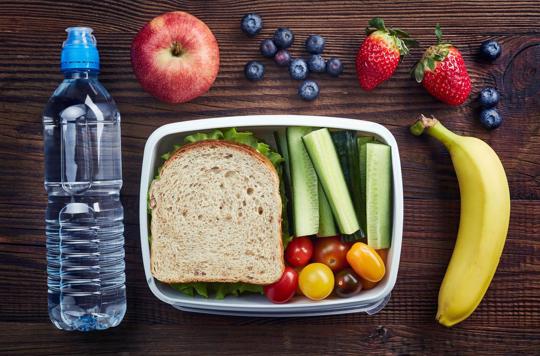
A lunch box is a handy container for carrying food.
It can come in various shapes and sizes, such as rectangular, square, or circular.
They are usually made from plastic or metal, with a handle or strap for easy carrying.
These boxes often have insulated linings to keep food fresh for longer.
Some have multiple compartments, to separate different types of food.
When deciding between the two, consider your meal choices and personal preferences.
Functionality is more important than aesthetics.
If packing dips or spreads, the guacamole pairing ideas and combos suggest snacks that travel well in lunch boxes.
Differences Between Bento Box and Lunch Box
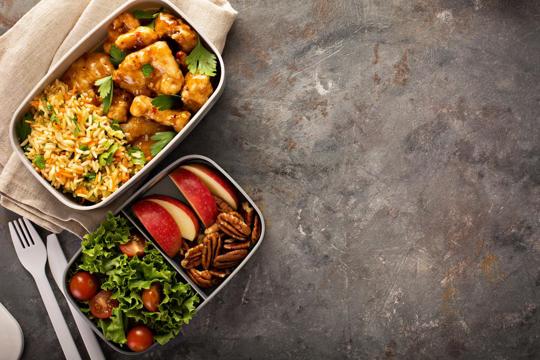
Bento Box and Lunch Box are food containers that have been around for ages.
They both store food, but have some major differences.
If choosing between prepared-protein plans and home-packed meals, the US Wellness vs Butcher Box comparison explains which subscription fits different needs.
Design and Structure
Choosing the right container for lunchtime is essential.
Bento boxes and lunch boxes both carry food away from home, but have different designs and structures.
Bento boxes originate from Japanese culture and typically have multiple sections, plus a lid for each one to prevent spillage.
Lunch boxes have one large space and a single hinged lid.
Bento boxes usually come in attractive patterns or characters, and are ideal for picnics or travelling.
Lunch boxes tend to be plainer.
Bento boxes are typically plastic or wood.
Wooden bento boxes are traditional and eco-friendly.
Lunch boxes can be plastic or stainless steel.
Both bento boxes and lunch boxes are suitable for transporting food.
It depends on your preference and needs which you pick.
Origin and Cultural Significance
Bento boxes have a long history.
They started with ancient Japanese travelers carrying food in them.
Soon, they became popular for Japanese homemakers to send packed lunches to their family.
Traditional Bento boxes are divided into sections, which looks nice and keeps food apart.
Lunchboxes come from the US in the 1800s.
They were made of plastic and metal, with handles and latches.
Lunchboxes come in many sizes and shapes, but have fewer compartments than Bento boxes.
These days, both Bento boxes and lunchboxes are used in many cultures - with differences.
Bento boxes were popular in Japan for making meals look good as well as taste good.
In America, lunchboxes were made for convenience.
Food Compartments and Portion Control
Having a healthy diet is key.
Bento boxes and lunch boxes are two common methods of food storage.
These containers serve the same purpose, but vary in design and features.
Bento boxes originated in Japan.
They have compartments for portion control, and come in different sizes, materials, and shapes.
Features such as lids, microwaveability, and insulation are often included.
Lunch boxes, meanwhile, are more widespread in the West.
They typically have one compartment and are mostly about portability.
These lack the multiple compartments of bento boxes.
For readers organizing ingredients for meals, the food mill vs ricer comparison shows which tool makes smoother purées for bento-friendly sides.
Typical Foods Packed
When thinking of packing food, two options appear - bento boxes and traditional lunch boxes.
Both have their own benefits, however the main contrast is in how they sort and show your meal.
Bento boxes, from Japan, feature sections to separate ingredients.
These can be rice, noodles, veg, meat or fish - see how hibachi flavor profiles describe common proteins to plan tasty bento fillings.
Traditional lunch boxes, however, contain just a single container and an insulated sleeve to keep the food fresh.
These are ideal for those who wish to carry sandwiches, wraps or salads.
Also, bento boxes are known for their presentation of food.
For instance, rice can be formed into fun characters or animals which could encourage children to eat it.
This however, requires more time and effort.
On the other hand, traditional lunch boxes only need you to place food in the container.
Ultimately, the decision relies on what suits you best - presentation and style, or simplicity?
Similarities Between Bento Box and Lunch Box

Bento Box and Lunch Box - though similar in sound, they possess distinct differences.
Origin, shape, size and cultural importance vary.
Nonetheless, they share some characteristics that make them practical for carrying meals.
These boxes are containers used for packing food neatly.
They usually contain multiple sections for sandwiches, salads, fruits and snacks.
Plus, sizes and shapes vary depending on age and hunger.
Their portability is a main similarity.
Both enable people to eat away from home, whilst keeping the meal fresh and suitable for busy people.
Decoration is another commonality.
Personalisation is possible with stickers on the lid without creating a mess.
However, there are distinctions between the two.
Bento Boxes feature pre-planned menus with rice balls, whereas Lunch Boxes don't have a fixed menu.
Regional cuisines also differ.
For information about when many fast-food chains switch to midday menus, see the Burger King lunch start times guide for an example schedule.
Benefits and Advantages of Using Bento Box and Lunch Box
Bento boxes and lunch boxes are a smart choice.
Benefits include portion control, eco-friendliness, and creative meal prep.
Bento boxes are Japanese-style, with compartments to separate food.
Lunch boxes come in various sizes and materials, like plastic, metal, or bamboo.
Some bento boxes even have insulated bags to keep food warm.
Plus, they save time and money by allowing individuals to pre-make meals.
All in all, these containers make eating healthy and organized easier.
For ideas that make packed lunches smell fresh or inspire beverage add-ins, the benefits of boiling grapefruit and lemon peels explain aromatic uses.
How to Choose Between a Bento Box and Lunch Box?
If you can't decide between a bento box and a lunch box, take note of the key differences.
Bento boxes usually have multiple compartments, so you can store various foods separately.
Lunch boxes usually have just one large compartment, which is great for bigger items like sandwiches or wraps.
Also consider the materials used.
Bento boxes are usually made from plastic or wood, while lunch boxes can be metal, fabric, or plastic.
Finally, the aesthetic appeal of each kind of box is different.
Bento boxes are known for their decorative designs and colors.
While lunch boxes are plainer, you can still decorate them with stickers.
Your choice comes down to personal preference and the food you plan to pack.
If you like to pack smaller portions and like a nice presentation, go for a bento box.
If you prefer bigger items like salads or sandwiches, go for a lunch box.
Bento Box vs Lunch Box Benefits
Bento box and lunch box are food containers that are portable.
However, they differ.
Bento box is from Japan and has compartments for each food item.
Lunch box, on the other hand, is simpler with a single large compartment.
Bento boxes are arranged nicely, with portions of food being taken into consideration.
Lunch boxes are more about utility than looks.
The decision between the two is up to personal preference and how they will be used.
Both these boxes are good for packed lunches.
They both have advantages that fit different lifestyles and needs.
Frequently Asked Questions
Bento boxes let you express your creativity while still eating healthily. They share some similarities but each has qualities that make it better suited for certain recipes.
Sometimes. Bento Box works where Lunch Box is called for in certain dishes, but not all.
Check whether the recipe relies on a specific quality before substituting.
Cold preparations like salads and dressings often favor the option with a sharper, more defined flavor. Heat can mellow both, so the distinction matters more in uncooked dishes.
Do professional cooks prefer one over the other?
Professional preference depends heavily on the dish and cuisine style.
Each has its context where it outperforms the other, so most experienced cooks keep both on hand.
Bento-style packing works well with curated proteins and meal plans. US Wellness vs Butcher Box comparison helps decide which subscription supplies better bento-ready cuts. For flavor ideas that complement packed meals, hibachi flavor profiles and tastes guide outlines common seasonings and textures.