
Bitters are an essential constituent of cocktails; they flavor the drinks like salt does to food.
Yes, this alcohol has a unique taste that makes it very suitable for mixed drinks.
They're more than just alcohol and have many uses besides drinking them as an aperitif or cocktail.
In addition, they are available in many types, categorized according to flavor, aroma, and health usage.
What do bitters taste like?
So, scroll on to learn everything about them.
What are Bitters?
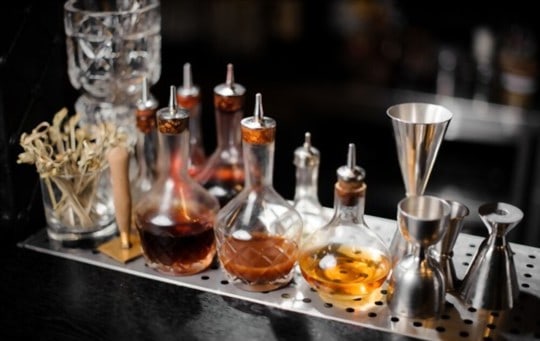
Bitters are considered as salt and pepper of cocktails.
They are the taste and aroma enhancers of cocktails.
But what exactly are they?
Bitters refer to flavored, high-proof alcohol.
They are aromatic agents made by infusing botanical richness such as flowers, roots, bark, fruit peels, herbs, and spices - and for dessert pairings see what pairs with lemon in desserts for complementary flavors.
explore acai berry taste guide for flavor context that shares another fruity profile.Do you know that bitters are known as the "bartender's spice rack?" They balance out or change the flavors of any drinks.
Hence, they are the seasoning components in any cocktail.
Bitters are available in two variants- cocktail and digestive.
Cocktail bitters are used explicitly as a cocktail ingredient, while digestive bitters are consumed on the rocks after meals to improve digestion.
Bitters are made with bittering agents like ginseng, wormwood, etc.
Adding a depth of flavor to drinks.
However, they are only used in dashes in cocktails; thus, the bittering element is balanced.
Most bitters have a reddish-brown tinge and usually contain a 35 to 45% ABV; however, nonalcoholic bitters are also made with apple cider vinegar as a base.
What Do Bitters Taste Like?
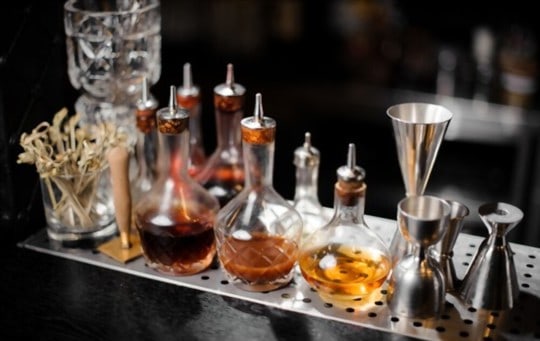
Bitters, in general, have a pungent, bitter, and spicy taste.
They all are infused with a flavoring agent, such as herbs like wormwood and gentian roots/flowers or spices like cinnamon, ginger, and cloves.
A rare practice, bitters are intensely bitter when drunk alone.
So, they are used in making mixed drinks; they add a sharp taste to cocktails, where their flavor gets balanced.
Bitters are sometimes compared to Campari, and the two are sometimes used as substitutes for the other.
Both taste bitter but have different compositions and flavors.
Campari is a bitter, bright-red liqueur that has a bold citrusy taste backed by spicy notes of cinnamon and clove.
Meanwhile, bitters do not have a definite taste and obtain their flavors from the ingredients used.
For example, Angostura bitters, the oldest and the most popular bitter on the market have a spicy aroma with herbal notes.
This warm and sharp taste comes from ginger, cloves, cardamom, and bitter orange peel.
Meanwhile, Fee Brothers West Indian Orange Bitters are dominated by the flavor of orange peel.
They are bitter and give the sensation of eating a fresh orange peel.
Nonetheless, it has hints of cinnamon, gentian flowers, quinine, and clove.
The taste is also slightly milky due to the presence of glycerin.
All in all, this bitterness draws out light, buttery, and fresh flavor on the palate.
There is also another very popular bitter called Peychaud's Bitters, which has anise as the dominant aroma but also delivers notes of the sweet, fruity freshness of cherry on the nose.
How to Use and Serve Bitters?
There is more to bitters than just cocktails.
Below, we've listed our favorite ways to serve them.
And the best part is anyone can enjoy them.
Bitters can also accent savory brunch plates; try pairing them with high-protein sides without meat for balanced brunch options when serving breakfast cocktails.
- Make a pancake syrup: The sweet maple syrup you use to flavor breakfast pancakes can achieve a mild sharpness when adding a few dashes of citrusy bitters. The resulting syrup is perfect for anyone looking for a balanced flavor.
- Use them in pastries: Aromatic and citrus bitters can make flavorful substitutes for pastry fillings. For instance, you can make lemon pies and cakes with orange bitters. They add a depth of flavor without overpowering the base flavor.
- improve your cup of coffee: Bitters can balance the sweetness of dairy in milk coffee and add richness to hot chocolate. A few drops are enough to flavor any drink, as the primary objective is to add extra flavors.
- Flavor your lemonade: Adding a dash or two of aromatic bitters to regular lemonade will add a new dimension to its sweet and citrusy taste. Consider a rose or lavender bitter to add floral accents to the drink.
Distinctive Tastes in Bitters
Bitters are one of the alcohols that are very rarely consumed neat.
They are very concentrated in flavor and need to be diluted to balance the bitterness.
In fact, they're used in dashes to flavor drinks.
The taste can vary depending on the flavoring agents used.
Some bitters have a more aromatic flavor, while some are citrusy.
There are also some bitters you can have on the rocks; you can drink them after meals to aid digestion.
Besides their use in cocktails, bitters also flavor snacks and beverages like coffee, hot chocolate, and lemonade.
Some bitters interchangeably fill the same role in recipes; Angostura bitters substitutes list for cocktail swaps helps identify similar options. Peychaud's bitters substitute suggestions covers alternatives specific to that flavor profile.
Frequently Asked Questions
Bitters are an essential constituent of cocktails; they flavor the drinks like salt does to food. Yes, this alcohol has a unique taste that makes it very suitable for mixed drinks.
In addition, they are available in many types, categorized according to flavor, aroma, and health usage.
Freshness matters. Bitters tends to have a brighter, more pronounced taste when fresh.
Stored or aged versions may develop mellower or slightly different flavor notes.
Significantly. Younger or less ripe versions are often sharper, more astringent, or more bitter.
As it matures, flavors typically mellow and deepen into something more complex and approachable.
Texture and taste are inseparable. A pleasant texture encourages slower eating and better flavor perception.
Off-putting textures - too mushy, too fibrous, or unexpectedly gritty - can make even good flavors less enjoyable.