
Many people might make faces and pretend to gag and choke when asked about their opinions on Blue Cheese.
But this exotic kitchen item is more of a healthy delicacy than just a tasty piece.
But what really is this infamous blue cheese? And what does blue cheese taste like?
You'll find your answer here in a matter of minutes.
We would also like to enlighten you more about blue cheese by putting together the information on how to serve blue cheese and how to buy blue cheese.
By the time you're through with this article, you might have a different opinion on blue cheese.
What is Blue Cheese?
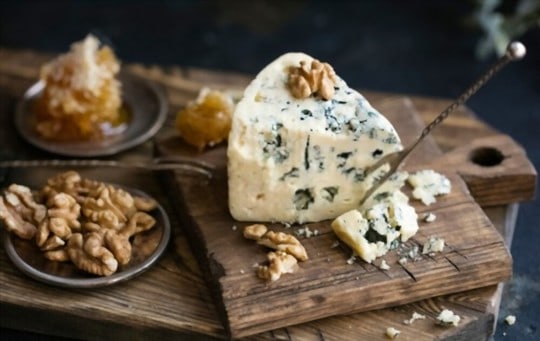
Blue cheese is a type of cheese with a semi-soft texture, which is usually made by injecting edible mold into cheese.
It has a pungent and strong smell that may not appeal to many people.
It has a somewhat distinct salty and spicy flavor.
Blue cheese originated in Roquefort in France and has been around since the 7th century.
There are several types of blue cheese, the most popular of which are Gorgonzola, Roquefort, and Stilton, among others.
Gorgonzola is an Italian blue cheese made from a mixture of blue mold-cultured curds.
Roquefort is the oldest and most valuable blue cheese from France, while Stilton comes from Britain and is known for its spiciness.
The discovery of blue cheese was by accident when cheese was stored in caves at natural temperatures.
Penicillium thrives in moist environments like caves.
There have been incidents where the miners are blue cheese and beer.
For a similarly themed dairy curiosity, blue milk taste guide galactic flavors explores another vividly colored dairy experience.
Flavor Characteristics of Blue Cheese

Blue cheese is made mostly from milk.
Any type of milk, including cow milk, goat milk, sheep milk, and others, works fine in making blue cheese.
But it is the bluish-green mold that sets them apart from the rest of the cheese family.
The blue or green marks and lines in the cheese are formed by cultures of Penicillium.
These are edible molds, but they have a strong odor which some people describe as the smell to that of smelly feet.
But these cons are countered with the healthy nutrients that blue cheese offers.
But what does blue cheese taste like? Generally speaking, blue cheese has a sharp and salty taste.
It can be tangy and even have metallic tones to it.
The moldy blue marks have a nutty taste, while the rest have a similar taste to milk.
Blue cheese can have different tastes depending on the variety.
Some people love strong-flavored blue cheese, while some prefer milder varieties.
Blue cheese tastes relatively saltier than regular cheese, but if you continue to have it, you'll eventually become accustomed to the taste and even find it irresistible.
For beginners, the smell of blue cheese can be very strong, if not overwhelming.
It doesn't have the most pleasant smell and smells pungent and sharp.
But you'll learn to tolerate the smell if you have blue cheese often.
Blue cheese can be described as having a crumbly and creamy thick texture.
Although mold is present, it has a smooth texture.
It feels soft and buttery and melts in your mouth.
If nostalgia matters, pepsi blue taste guide nostalgia notes breaks down the flavor memory behind a bright soda.
How to Eat and Serve Blue Cheese?

Blue cheese is a versatile kitchen ingredient and is highly popular among gourmet food lovers.
It can be eaten raw or melted, crumbled, or spread on other dishes, just as cheese works.
If you're serving someone who isn't quite familiar with blue cheese, it would be a good idea to use a milder variety of blue cheese and turn it into something exotic.
Blue cheese can be used in a lot of recipes.
They work excellently with other foods like jam, apples, wine, almonds, honey, pear, and more.
However, the type of blue cheese plays an important role when adding it to other dishes.
One of the most popular uses of blue cheese is in making liquid pastes such as gravy, sauce, and soup.
This is because the thick and creamy blue cheese adds texture to the dish, making it more flavorful and delicious.
You can also spread it on a burger for a buttery treat or use blue cheese to soften pizzas and salads.
One of the best things about blue cheese is its health benefits because of the nutrients it provides.
It is rich in nutrients like protein and calcium and is claimed to prevent obesity.
You'll be doing your body a favor by eating this delicious mold of cheese.
For a dessert counterpart, blue moon ice cream taste guide outlines how a sweet blue treat behaves when served.
How to Buy Blue Cheese?

While buying blue cheese, it would help to know the differences.
Blue cheese is available in multiple varieties, and some types can be stronger and more intense than others.
So, be sure to check out the different types of blue cheese before you buy it.
Blue cheese is available in various markets, but they are relatively expensive.
But the delicious taste and healthy nutrients make it worth every penny.
Select a decent online platform to buy blue cheese for the highest level of convenience.
Some of the most popular blue cheese varieties include Gorgonzola, Roquefort, Stilton, Bleuchâtel, and Danish Blue Cheese.
They have different textures and tastes depending on the variety of the blue cheese.
Be sure to check out the differences to find the perfect selection for a healthy and scrumptious dish.
When you buy blue cheese, you can choose from two different forms.
One is the wedge form, and the other is the crumbled form.
If you want a moist and creamy texture, go for wedge blue cheese, but crumbled blue cheese is less moist and creamy.
Choose from the various types carefully and choose the best one to enjoy a wonderful dish made better by blue cheese.
If energy drinks are also on the shopping list, Monster Ultra Blue taste guide energy profile details how that bright drink tastes.
Pairing Suggestions for Blue Cheese
So, have you made up your mind about blue cheese yet? If you give this rare and excellent food a try, you might find too many reasons why it should be on top of your ingredients list.
From seasoning pizza to softening fruits and wine, blue cheese is an incredible food that can enhance a number of other dishes.
Don't forget to add blue cheese to your next cooking and see what it can do to alter the taste of your cooking and make it more healthy.
So, purchase blue cheese today and start cooking a healthy recipe that's sure to impress anyone who tastes it.
Thirst-quenching comparisons include blue gatorade taste guide hydration notes. blue cheese dressing taste guide breakdown complements the cheese-focused discussion.
Frequently Asked Questions
And what does blue cheese taste like? It has a pungent and strong smell that may not appeal to many people.
It has a somewhat distinct salty and spicy flavor. Try it in a few different preparations to find which version you prefer.
Does Blue Cheese taste different when fresh versus stored?
Freshness matters.
Blue Cheese tends to have a brighter, more pronounced taste when fresh.
Stored or aged versions may develop mellower or slightly different flavor notes.
Significantly. Younger or less ripe versions are often sharper, more astringent, or more bitter.
As it matures, flavors typically mellow and deepen into something more complex and approachable.
Texture and taste are inseparable. A pleasant texture encourages slower eating and better flavor perception.
Off-putting textures - too mushy, too fibrous, or unexpectedly gritty - can make even good flavors less enjoyable.