
Many people assume that all shakers are created equal, but when it comes to making cocktails there can be a world of difference between two seemingly similar devices.
The Boston shaker and the Cobbler shakerare two popular types of cocktail-making accessories often used in bars, home kitchens, and even coctail competitions around the world.
While they may look similar at first glance, these two drink-crafting tools require different techniques - each with its own benefits.
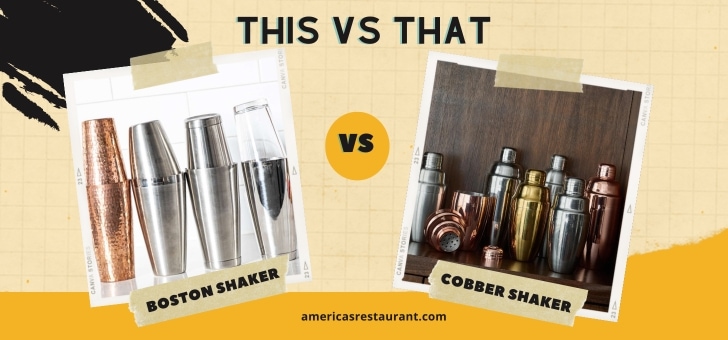
What is a Boston Shaker?

A Boston shaker is a type of cocktail shaker commonly used by professional bartenders - similar naming can cause confusion, as seen in a Bavarian vs Boston cream comparison for desserts.
It consists of two metal pieces - a large mixing tin and a smaller, tapered tin or glass - that fit together to form a seal for shaking cocktails.
The Boston shaker is known for its versatility and is often preferred over other types of shakers due to its larger size, allowing for more ingredients to be mixed at once.
If you're new to making cocktails at home, the Boston shaker can feel intimidating at first due to its unconventional design.
However, with practice, many find it easier to use than other types of shakers as the two-piece design ensures a more secure and efficient seal.
One potential downside to using a Boston shaker is that it requires an external strainer when pouring drinks.
This may require an additional investment if you don't already own one.
Some bartenders prefer this type of shaker for more clear drinks because it doesn't have the built-in strainer found in other varieties.
What is a Cobbler Shaker?

A Cobbler shaker is another type of cocktail shaker that is different from a Boston shaker.
It has a smaller capacity than a Boston shaker and is typically made up of three parts - the main container, which usually ranges between 450ml to 600ml in size, a built-in strainer, and an attached cap that can be used as a measuring cup.
As we mentioned earlier, the Cobbler shaker consists of three parts and its compact design makes it easier to hold and shake.
The built-in strainer also provides convenience in separating the cocktail mixture from any ice cubes or fruit debris, making it ideal for beginners who don't want to buy additional equipment.
One disadvantage of using Cobbler shakers is that they have smaller capacities than Boston shakers, so you may need to make multiple batches if you're making cocktails for a large group.
Also, while pouring the drink through the built-in strainer onto your glass with Cobbler shakers, some small pieces of ice may escape through the wider holes around its spout.
A Cobbler shaker's compact size works well for citrus-forward cocktails - see lemon dessert pairing ideas and flavor matches for inspiration on complementary flavors.
Differences Between Boston Shaker and Cobbler Shaker

The Boston Shaker and Cobbler Shaker are two of the most popular types of cocktail shakers.
While both are used to mix drinks, they differ in terms of design, construction, and ease of use.
In this section, we will compare the differences between the two shakers.
One of the primary differences between the Boston shaker and Cobbler shaker is their ease of use.
The Boston shaker requires more skill to use than the Cobbler Shaker because it comes in two separate pieces that must be securely sealed during shaking.
This can take some practice to perfect.
On the other hand, the cobbler shaker is a three-piece design that includes a built-in strainer on top, which makes it easier to use for beginners.
The cobbler also has a smaller capacity than the Boston shaker, making it ideal for single-serve cocktails.
Another key difference between these two shakers is their mixing capabilities.
The Boston shakers tend to boast better mixing capabilities due to their larger size and openness.
However, this may not matter much in practical terms as both shakers can still do an excellent job when it comes to mixing ingredients.
Lastly, there's also a durability factor when considering these two different cocktail shakers.
The Boston Shaker typically features higher quality materials such as metal or even glass for its body parts compared to lower-end models with cheaper plastic.
Meanwhile, the Cobbler shaker's three-piece design often makes it less durable and prone to wear and tear.
In summary, while both shakers share many similarities in function, they have basic differences that make each useful in its specific context.
With a better understanding of the advantages and disadvantages between these two cocktail shakers, you will be better equipped to choose the right one for your needs.
In the next section, we will discuss how their design and construction differ from each other.
Design and Construction
With the popularity of cocktails increasing, it is essential to learn about the different shakers available in the market.
The design and construction of a shaker play a important role in its effectiveness.
There are two primary types of cocktail shakers, namely Boston shaker and cobbler shaker.
The Boston Shaker comprises two essential components - a stainless steel tin and a tempered mixing glass that fits perfectly over the top of the metal component.
On the other hand, cobbler shakers usually comprise three pieces- A large bottom-cap-cum-tin with rounded edges that fits snugly on top of another smaller cup or vessel with small holes at the top for pouring drinks out without worrying about ice cubes or garnishes falling through while shaking away.
The difference lies in their designs where one consists of only two parts (Boston), while the other has three parts (Cobbler) to achieve similar results.
The Two-piece design makes it simpler to juice up larger amounts at once, but you'll also need to use more force when opening them due to no fixed cap along with making them harder to clean between uses.
In summary, understanding how each type works is important as both have different features which affect how well they work depending on what recipe you're using or what cocktail you need to make.
Ease of Use and Durability
Ease of Use and Durability is an important aspect when it comes to choosing the right cocktail shaker for your bar.
Both Boston and Cobbler shakers have their pros and cons in terms of ease of use and durability, which are discussed below.
Boston Shakers are easier to use than Cobbler Shakers because they consist of a simple two-piece design.
This means that there are fewer parts to break or get stuck, making them more durable.
Also, Boston Shakers usually have larger capacity than Cobbler Shakers, allowing bartenders to make multiple drinks at once without having to empty the contents before shaking again.
On the other hand, Cobbler Shakers may be more difficult to use for beginners as they require removing three separate pieces: the cap, built-in strainer, and base.
This can result in spills or improperly mixed drinks if not correctly assembled.
However, some argue that this extra step adds an extra layer of control over the mixing process.
Durability is an important factor when it comes to selecting a cocktail shaker since constant shaking can cause wear and tear on the components.
As mentioned earlier, Boston Shakers are generally more durable due to their minimalist design.
The two metal tins fit snugly together without needing gaskets or plastic seals which makes them less likely to break or leak.
On the other hand, Cobbler Shakers might last less longer as they have built-in strainers with small parts.
Durable bar kit choices pair well with hearty snacks; consider high-protein sides that don't use meat to keep guests satisfied without relying on perishable proteins.
Capacity and Flexibility
The capacity and flexibility of a cocktail shaker are important factors to consider when choosing between different types of shakers.
Let's compare the Boston shaker and Cobbler shaker in terms of their capacity and flexibility.
The Boston shaker has a larger capacity than the Cobbler shaker, with an average of 16 to 28 ounces compared to 18 to 24 ounces for the Cobbler.
This difference may not seem significant; however, when you're making cocktails for a large group, every ounce counts.
The Boston shaker is more versatile because its two-piece design allows users to mix and match different pieces depending on their needs.
For example, you can use a pint glass or stainless steel cup as its base.
In contrast, the three-piece design of the Cobbler shaker does not allow for this flexibility.
While some people may see this as an advantage because they don't need additional equipment, others may feel limited by these restrictions.
Also, due to its size and design, mixing drinks in a Boston shaker often requires more arm strength and technique than using a Cobbler shaker.
However, this extra effort could result in better-tasting cocktails with smoother texture due to increased dilution from shaking for longer periods.
Price Range
Price range is an important factor to consider.
The cost of shakers varies based on their material, design, and functionality.
Both types of shakers are relatively affordable, with the Boston Shaker being slightly more expensive due to its larger size and often being made from higher-quality materials.
If you're looking for a shaker set that includes additional cocktail tools like jiggers and strainers, the price will increase accordingly.
Overall, when considering price range for cocktail shakers, it really comes down to personal preference and budget - similar tradeoffs appear in a pasture vs organic vs free-range chicken comparison that breaks down cost versus quality.
You can find options in almost any price range that will deliver satisfactory results.
Pros and Cons of Boston Shaker and Cobbler Shaker

Deciding between a Boston shaker and a cobbler shaker can be a daunting task.
Each type has its own pros and cons that bartenders must consider before making their choice.
Boston Shaker
The Boston Shaker is a two-piece cocktail shaker that has been used by bartenders for decades.
It consists of a metal tin and a mixing glass, which fit together to make a tight seal.
This type of shaker is widely used in professional bars due to its versatility and durability.
The Boston Shaker is known for its ability to chill cocktails quickly and efficiently.
Due to its two-piece design, bartenders can easily see what's happening inside the shaker, allowing them to monitor and adjust the cocktail as needed.
Also, the Boston Shaker allows for better dilution of cocktails than other types of shakers, resulting in a smoother final product.
Despite its many benefits, there are some cons associated with the use of a Boston Shaker.
One downside is that it can be quite difficult to separate the metal tin from the mixing glass, particularly if they have become too cold during use.
Also, some people may not find the appearance of this type of shaker particularly appealing compared to other options on the market.
Overall, whether or not you choose to use a Boston Shaker will depend on your personal preferences and needs as a bartender.
Cobbler Shaker
A Cobbler Shaker is another popular type of cocktail shaker used by bartenders and mixologists around the world.
The term "cobbler" comes from the fact that this type of shaker consists of three different parts - a lid, a cap with a built-in strainer, and a tin or glass body.
Cobbler shakers are often favored by those who are just starting out in the world of mixology.
This is because they have fewer parts to deal with and which means they're quite easy to use.
Also, as cobbler shakers come with their own strainer built into the cap, there's no need for an additional tool during shaking.
However, some people find using cobbler shakers frustrating because they're not as efficient at mixing drinks as Boston shakers.
They also have less capacity than their counterparts and are therefore less suitable for making multiple cocktails at once.
Overall, while both types of cocktail shakers may be similar in purpose, each has its own strengths and weaknesses depending on individual preferences and experience levels.
Which Shaker Should You Choose?

There are a few factors that you should consider.
The type of shaker you choose can impact your cocktail-making experience and the end result of your drinks.
Here's a breakdown of the differences between Boston shakers and cobbler shakers to help you decide which one is right for you.
Boston shakers are preferred by professional bartenders due to their large capacity, high durability due to metal construction, and the ability to create tight seals between the two pieces.
They also offer flexibility when using other external strainers like Hawthorne or Julep strainers if needed.
Also, the tempered glass mixing cup allows for easy monitoring of the ingredients during shaking.
On the other hand, cobbler shakers are often used at home bars because they are more compact and convenient.
They provide integrated means for pouring & strain while Boston shakers require an additional utensil typically an extra Hawthorne or Julep strainer required for readying a drink.
However, the small size of the built-in components of Cobbler shakers tend to loosen over time and may require additional investment later on.
Ultimately, which shaker you choose depends on your preferences and needs.
If you're a professional bartender or someone looking for a durable shaker with greater volume capacity that will last you years, then go for Boston shaker.
Otherwise, if someone is inclined towards convenience in smaller space like a home bar due to its comparative light-weightedness, then cobbler shaker is best suited for them.
Mixing Techniques: Boston vs Cobbler Shaker
As you can see from the table, both types of shakers have their pros and cons depending on your preference and needs.
The Boston shaker may be better suited for those who want larger drink batches or enjoy muddled cocktails, while the cobbler shaker may be more convenient for those who prefer a built-in strainer.
Ultimately, choosing one over the other comes down to personal taste as well as practicality in how it will be used.
Naming overlaps sometimes cause confusion across categories; for a dessert example, review Bavarian vs Boston cream comparison for desserts. For cost-versus-quality tradeoffs in another category, see pasture vs organic vs free-range chicken comparison.
Frequently Asked Questions
While they may look similar at first glance, these two drink-crafting tools require different techniques - each with its own benefits. They share some similarities but each has qualities that make it better suited for certain recipes.
It depends on the dish. Boston Shaker and Cobber Shaker share some overlap, but each shines in different preparations.
Swapping works best in forgiving recipes like soups or stews.
Pricing varies by brand and region, but one is typically more accessible at everyday price points. The other may cost more due to specialization or limited supply.
Is there a best time to use each one?
One shines in applications requiring subtlety and background support.
The other is better when it is meant to be a center.
Matching the right one to its role makes a noticeable difference.