
In the battle of drinks, we've got two champions. Cantarito and Paloma stand in the ring.
They're like distant cousins in the tequila family. Both pack a punch with tequila and citrus, yet they're not quite twins.
Our evenings often start with "What's it gonna be?" We've gone rounds with both. The Cantarito, with its rustic charm, dances in a clay pot.
It's lively, blending grapefruit, orange, and lime juices.
The Paloma, sleek and straightforward, opts for grapefruit soda. It's the cool character in a tall glass.
We've laughed, we've sipped, and yes, we've gotten a bit tipsy trying to crown a winner.
What is Cantarito?

Cantarito is a popular Mexican cocktail that is often served in a clay pot.
This traditional beverage originates from the state of Jalisco, Mexico and has gained popularity due to its unique taste and presentation.
Cantarito typically consists of tequila, lime juice, grapefruit soda, orange juice, and salt.
It is commonly garnished with sliced fruits such as oranges or limes.
Here are five essential points to note about Cantarito:
- It is believed to have originated in Jalisco, Mexico.
- Cantarito is typically served in a clay pot.
- This cocktail consists of tequila, lime juice, grapefruit soda, orange juice and salt.
- It is often garnished with citrus fruits like orange or lime slices.
- The combination of fruit and alcohol creates a refreshing sweet-and-sour taste.
What makes Cantarito different from another popular Mexican cocktail, Paloma? While both cocktails contain similar ingredients such as tequila and grapefruit soda, Paloma differs in that it contains less alcohol compared to Cantarito.
Also, Paloma usually includes fresh grapefruit juice while Cantarito may include other juices like orange or lime.
The cocktail's bright citrus notes also pair well with desserts; lemon dessert pairing ideas suggests sweet matches that complement tart flavors.
What is Paloma?

Paloma is a fascinating subject that merits detailed examination.
This word has many different meanings in various contexts.
For instance, in some cultures, it is a name given to girls, while in others, it denotes a type of bird.
Also, Paloma takes on new meaning in the beverage industry, where it refers to a delicious and refreshing cocktail made with tequila and grapefruit soda.
Some even claim that it's a spiritual symbol, representing peace and rebirth in ancient lore.
Clearly, Paloma is a complex topic with diverse interpretations.
No matter how you look at it, though, one thing remains certain: this concept has taken hold of the world's imagination in a powerful way.
Because Palomas often appear alongside snacks, consider light bites; guacamole combo suggestions for parties includes crowd-pleasing pairings that work with grapefruit-forward cocktails.
Differences Between Cantarito and Paloma
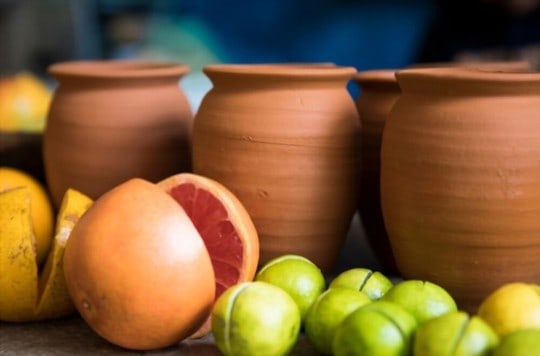
Cantarito and Paloma are two popular Mexican cocktails that have distinct differences.
Cantarito uses a clay pot while Paloma is typically served in a tall glass.
Cantarito features grapefruit soda, while Paloma has a mix of grapefruit juice and soda.
Ingredients Used
The two Mexican cocktails, Cantarito and Paloma, differ in their ingredients.
The former is made with tequila, lime or lemon juice, orange and grapefruit soda, and a pinch of salt.
Whereas the latter includes tequila, lime juice, grapefruit soda, and grapefruit wedge for garnish.
Both drinks are often served in clay or glass jars with ice.
It's interesting to note that Paloma is the more popular of two drinks, especially during summer days.
Flavor and Taste
The Singing Rooster and the Dove are two classic Latin American cocktails.
One key difference between the two lies in their respective flavors - see extract vs flavor comparison explained for how tasting terms differ.
The Cantarito is a refreshing blend of citrus juices and tequila, often served in a clay mug.
It is usually tangy and sour, with subtle sweetness from the addition of soda or agave syrup.
Palomas, on the other hand, are lighter in taste.
Made with grapefruit juice and tequila, they show a bittersweet flavor that's crisp and effervescent.
While both drinks feature tequila as a base spirit, their distinctive notes set them apart.
Origin and Cultural Significance
The Cantarito and Paloma are Mexican cocktails with distinct identities.
These drinks have deep historical roots in Mexico and are an essential part of the country's cultural heritage.
The Cantarito originated in the state of Jalisco, while the Paloma is believed to have originated in Guadalajara.
Each drink has unique ingredients, making them distinguishable from one another.
Cantarito uses tequila as its base spirit and includes grapefruit, orange juice, lime juice, and soda water.
On the other hand, Paloma also has tequila but instead of soda water uses grape soda or freshly squeezed grapefruit juice along with a pinch of salt.
The flavors of these drinks complement different cuisines and occasions.
It's interesting to note that both drinks come in clay pots called "cantaritos.
" These clay pots are traceable back to pre-Histimes when they were used for cooking food before firing Mesoamerican ceramic containers came into existence.
Today drinking cocktails from cantaritos amplifies their cultural identity and adds a charming rustic feel.
Preparation and Serving Methods
Cantaritos and Palomas are popular Mexican cocktails that are enjoyed by many.
To prepare a Cantarito, one mixes lime juice, orange juice, tequila, and grapefruit soda in a clay pot.
The rim is often salted before serving with a slice of lime.
In contrast, Palomas are made with grapefruit soda, tequila, and lime juice in a salt-rimmed glass.
The main difference between the two is the use of orange juice in Cantaritos and its unique preparation in clay pots.
To serve these drinks traditionally, Cantaritos are best served on hot days to keep drinks cool.
The clay helps regulate the temperature of the drink to prevent it from getting too warm quickly.
As for Palomas, they can be served at any time but mostly appear during happy hours or evening events.
It's worth mentioning that some variations may exist across different households or regions in Mexico where distinct ingredients like carbonated water or honey are added for extra sweetness.
However, generally speaking, you cannot go wrong following the traditional recipe using local ingredients.
In summary, it's important to understand the essential differences between these two beloved cocktails to enjoy them better.
Creating perfect cantaritos or palomas requires attention to detail from picking out quality ingredients to choosing the appropriate serving method ideal based on the event setting or weather conditions.
Similarities Between Cantarito and Paloma

The Cantarito and Paloma drinks share many similarities.
Both are Mexican cocktails made with tequila, lime juice, and grapefruit soda.
Also, they are often served in clay cups and garnished with fresh fruit.
However, there exist some subtle differences between the two cocktails that make them unique in their own right.
The Cantarito typically includes orange juice and a splash of grenadine syrup, giving it a slightly sweeter taste than the Paloma.
On the other hand, the Paloma is often made with a salt rim on the glass, adding a savory element to its flavor.
Despite these variations, both cocktails offer a refreshing blend of citrusy flavors that pair well with traditional Mexican cuisine.
There is no rule that specifies how either drink must be prepared or presented, so different recipes and presentations can vary depending on personal preference or regional differences.
Nonetheless, whether you prefer the sweet notes of the Cantarito or the salty tang of the Paloma, both drinks offer a unique taste of Mexico's bright cocktail culture.
Variations and Regional Differences
Variations in the Cantarito and Paloma cocktails can be distinguished by their regional differences.
While both originate from Mexico, their specific ingredients and serving styles vary based on the region they are from.
The Cantarito is often found in the Jalisco region, made with tequila, lime juice, grapefruit soda, and other fruit juices like orange or lemon.
The Paloma is more commonly found in Mexico City and is made with tequila, lime juice, soda water, and a grapefruit-flavored soft drink.
In addition, the Cantarito is traditionally served in a clay pot also called a cantarito while the Paloma can be served in any glassware.
Popular Cantarito and Paloma Variants
Cantarito and Paloma are two popular variants of tequila-based drinks.
While both feature a combination of lime, salt, and grapefruit soda, the difference lies in the primary alcohol component - Cantarito opts for an addition of orange juice while Paloma uses only tequila.
These unique combinations give each drink its distinct taste.
It's recommended to try both and determine which suits your preferences.
Best Occasions for Cantarito or Paloma
The differences between Cantarito and Paloma are essential to understand for anyone interested in Mexican cocktails.
Both drinks have similar ingredients like tequila, lime, and grapefruit soda.
However, the ratios and flavors used in each are what sets them apart.
Cantarito has a more complex flavor with added salt on the rim, while Paloma has a refreshing sweetness due to less citrus.
Finally, understanding the distinction between these two drinks can help anyone choose their ideal cocktail at any bar without confusion.
Cantarito's citrus profile pairs nicely with sweet finishes. lemon dessert pairing ideas highlights complementary desserts. guacamole combo suggestions for parties works if serving savory snacks alongside the drinks.
Frequently Asked Questions
What makes Cantarito different from another popular Mexican cocktail, Paloma? They share some similarities but each has qualities that make it better suited for certain recipes.
It depends on the dish. Cantarito and Paloma share some overlap, but each shines in different preparations.
Swapping works best in forgiving recipes like soups or stews.
Pricing varies by brand and region, but one is typically more accessible at everyday price points. The other may cost more due to specialization or limited supply.
Is there a best time to use each one?
One shines in applications requiring subtlety and background support.
The other is better when it is meant to be a center.
Matching the right one to its role makes a noticeable difference.