
Did you know that cattails grow and survive in water, regardless of location? And by regardless of location, we mean cattails can be found near any water bodies such as ponds, lakes, and rivers but not limited.
They sometimes even survive in slightly brackish waters, which is remarkable since it truly shows that their tolerance level and survivability are insane.
But are they genuinely edible?
When we talk about eating cattails, we do not mean the fluffy brown matured cattails that some of us might have enjoyed playing with during our childhoods but rather the young green female ones.
These are edible, but if you're asking, "What do cattails taste like?" then we're sure you aren't aware of their taste or the fantastic health benefits that come alongside them.
Join us as we look closer into their taste profile, what cattails are, and how you can best cook and serve these fantastic spring vegetables.
What are Cattails?

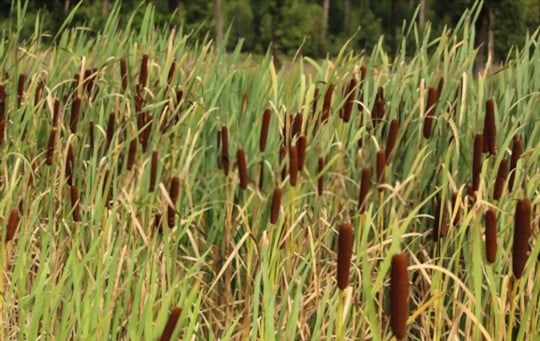
Typically Cattails grow up to approximately seven to ten feet, and they are bisexual.
The fluffy brown part of the flower, which looks like a cattail or a corndog, is known to be the female, and the yellow spiky stick-like flower just above it is considered the male.
Cattails act as a natural cleaner to whichever water source they grow on, making them necessary for the environment.
But They are good for the environment, but Cattails have also long been available for human consumption and use.
They offer various health benefits ranging from cancer prevention, aiding in skin care, and being a source of essential nutrients to providing natural disinfectant properties.
Native Americans have also used cattails for various medicinal purposes for ages.
What Do Cattails Taste Like?
But first, remember that we're talking about the fresh green cattails that have not matured yet.
If you see a fully matured cattail looking like delicious corn on the cob, play with it but do not eat it.
Since all the parts of this spring vegetable can be eaten, yes, even the roots, we'll be taking a deeper look at each part's taste profile.
While you can alter the taste of the plant by the method of cooking you use or the seasonings you add, the young stem of the Cattail is clear tasting with a slightly sharp aftertaste.
This taste is accompanied by a slimy texture that usually stays even after you cook it.
The roots of this vegetable have that starchy taste and can be too much for some.
So if you're not a fan, maybe leave out the roots.
Moving on to the flowers, interestingly enough, they also have a rather different taste profile than the rest.
While green and young, the Cattail flowers give off a slightly nutty combination with a mild sweet taste that can easily be eaten like your favorite corn on the cob and keep you asking for more bites.
How to Cook and Serve Cattails?

Cooking the Cattail stems seems like a lot of work, but all you need to do is find fresh green Cattails, cut the stems off into at least four inches each, and start peeling the outer layer.
You want what's inside the layers.
They are perfect for eating raw, but if you want to enhance their flavors, blend in some of your preferred spices and stick to pan-frying.
Even though you can use the same recipe and method as you would when dealing with asparagus, Cattails usually take longer to become tender.
Moving on to its flowers, easily boil them until cooked and add your favorite corn on the cob or preferred recipes after you take them out on a plate.
Make sure the flavors of the flower and the ingredients you use blend exceptionally well.
Most people prefer to keep it simple and just slide in some butter, retaining but improving the natural tasty flavors of the flower.
But here's the tricky part, if we're talking about the roots, you'd need to know where it was plucked out from.
Since Cattails act like natural water cleaners, the roots could absorb some chemicals if grown in shady areas.
Once you find out that they are, in fact, from a cleaner water source, you can peel the roots and shove them into your boiling pot and prepare to be amazed.
Edible Qualities of Cattails
Cattails are recognized as one of the most useful vegetables today.Both are all the parts of the young Cattails edible, but they also provide an array of health benefits and act as a source of essential nutrients.
In addition, this springtime vegetable has been used for ages as a medicine to treat various types of illnesses.
Would you try them?
Frequently Asked Questions
Join us as we look closer into their taste profile, what cattails are, and how you can best cook and serve these fantastic spring vegetables. Cattails act as a natural cleaner to whichever water source they grow on, making them necessary for the environment.
Now that we're clear on which vegetable we're talking about, let's move on to.
Some people enjoy Cattails right away while others need a few tries. The flavor can grow on you, especially when paired with familiar ingredients in a dish you already like.
Does it taste different depending on how it is prepared?
Preparation makes a significant difference.
Raw, roasted, fried, and steamed versions each bring out different qualities - sweetness, bitterness, earthiness, or richness - in the same ingredient.
Yes. Different cultivars, origins, or processing methods produce meaningful flavor differences.
If one version did not appeal to you, trying a different variety is worth the effort.