
Celery salt is the spice rack MVP we never knew we needed. It's not just ground-up celery.
Nope, it mixes celery seed and salt, giving dishes a pop of flavor that plain salt can't.
Ever tossed some on your eggs? useful. It turns "meh" into "wow".
We've all had that moment, staring at the spice aisle, wondering if celery salt deserves a spot in our cart. Spoiler alert: it does.
It's our secret ingredient for taking meals from flat to flavorful.
What is Celery Salt?

Celery salt is a mix of dried, ground celery seeds and table salt - see celery seeds vs celery comparison for which form suits recipes best.
It's popular in American cooking, especially the Midwest, for its special flavor.
It's used in Bloody Marys, seafood dishes, and coleslaw. It has health perks too.
For example, it can help digestion and reduce inflammation.
Plus, it has less sodium than regular salt - making it a healthier choice.
But, people with kidney problems should avoid celery salt as it contains high levels of potassium.
So, when you're cooking or adding flavor to food, use celery salt instead of regular salt for an extra kick.
What is Salt?
Salt is ancient and one of the most widely used seasonings.
It is a mineral made up of sodium and chloride ions.
It is essential for important bodily functions, such as sending nerve impulses, keeping blood pressure normal, and keeping our muscles working.
In cooking, salt adds flavour and can act as a natural preservative.
Recipes use these salts in different ways.
Celery salt is usually added to soups and stews.
On the other hand, table salt is a seasoning added at the end of cooking.
Both types of salt should be consumed in moderation as excessive consumption may cause health issues like high blood pressure.
Salt can heighten sweet and citrus flavors - lemon dessert pairings and tips shows combinations where a pinch of salt improves the final result.
Differences Between Celery Salt and Salt
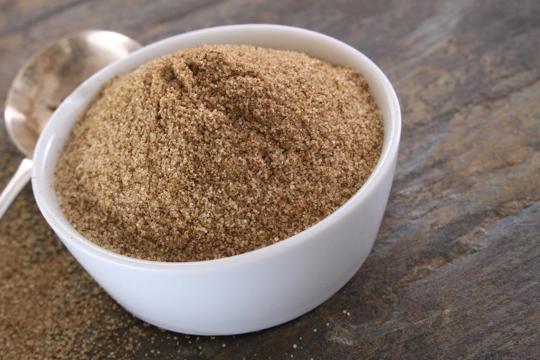
In short, although both types of salt have sodium, they differ in composition, taste and nutrition.
So, when cooking or baking, choose depending on the desired flavor or recipe.
For a look at how different root and tuber textures compare to stalky vegetables, celery root vs jicama comparison highlights key contrasts that affect cooking.
Source and Composition
Celery salt and table salt are not the same.
Salt is taken from either the sea or underground deposits and is just sodium chloride.
But celery salt is made of celery seeds and salt.
It has its own flavor from the oils in the celery seeds which makes it great for adding to many dishes, like soups, stews, salads and drinks.
Table salt only gives you sodium chloride, whereas, celery salt has antioxidants, minerals such as iron, calcium, zinc, manganese and phosphorus.
It's all about what suits your needs.
Table salt is great for people who need sodium.
Celery salt is better for those seeking health benefits.
Flavor and Aroma
Celery salt and regular salt may look alike, but they are not.
Celery salt has its own unique taste and aroma - read extract vs flavor comparison for taste to understand how concentrated flavors differ from blended seasoning notes.
It's a mix of salt and celery seeds, giving it a savory and slightly bitter flavor, with a hint of green veggie.
This salt is popular in cocktails, dressings, soups and stews as it adds complexity to the dish.
Table salt enhances the food's natural flavor, but does not have the unique characteristics of celery salt.
It is also a great topping for snacks like popcorn and chips, even on avocado toast.
Both salts should be used in moderation as too much can raise blood pressure.
The choice between them depends on personal preference and recipe needs.
Knowing the difference helps when adding them to culinary dishes.
Usage and Culinary Applications
Celery salt is a special seasoning.
It's made by combining ground celery seeds with salt.
This mix adds a unique flavor to savory meals.
But it's not a straight-up substitute for regular table salt.
Table salt only adds saltiness.
Celery salt adds this plus an herb-like taste.
It's great in cocktails, soups, stews and meat dishes.
It adds complexity to the flavor.
But it's high in sodium.
Too much of it can raise blood pressure.
So, if you have health issues related to sodium, check with your doctor first.
Celery salt is a good addition to any spice collection.
It's perfect for savory meals and drinks.
So, next time you're looking for something special, grab a jar of celery seasoning.
Nutritional Profile
Celery salt and regular salt look alike, but they have different nutritional values.
Regular salt is only sodium chloride.
Celery salt has celery seeds too, giving it additional vitamins, like K and calcium.
In terms of sodium, they have the same amount.
But too much regular salt can lead to health problems.
Celery salt has lower sodium and extra nutrition.
Plus, it adds a distinct flavor to dishes with a hint of veggies.
You can sprinkle it on snacks and drinks, like popcorn and Bloody Marys.
In the end, it's up to you and your dietary needs.
So next time you cook, go for celery salt instead of regular.
To explore how savory, nutrient-rich seasonings taste and perform, nutritional yeast taste guide and uses breaks down flavor and application.
Similarities Between Celery Salt and Salt
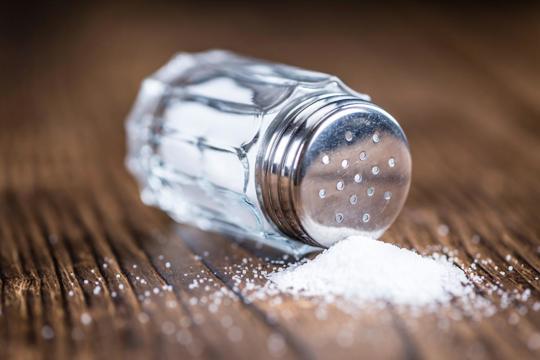
Salt is an important seasoning in many meals.
Celery salt, however, is a mix of ground celery seeds and salt.
These two seasonings have some similarities in terms of how and what they taste like.
Both are for improving flavor and preserving food.
They give dishes more flavor, making them tastier.
A major difference between celery salt and regular salt is that celery salt has a unique flavor because of the celery seeds.
The celery seeds give it an earthy flavor with nice herbal notes.
Normal salt has just a salty taste without any special flavors.
Another difference is that celery salt can have slightly less sodium than table salt.
This is because it has celery seed powder too, so you get less sodium per serving but still get the added flavor.
To see how celery stacks up against other tart or fibrous plants, rhubarb vs celery comparison for texture outlines the culinary differences.
Cooking and Seasoning with Celery Salt and Salt
Celery salt and regular salt may look alike, but there are huge differences.
Here's what you gotta know about celery salt vs salt:
- Celery salt is made of ground celery seeds and table salt. Regular salt is just sodium chloride. So, celery salt has a more interesting taste.
- Celery salt is more flavourful so you don't need to use as much of it.
- Celery salt is perfect for cocktails like Bloody Marys. Regular salt is good for everyday cooking.
- Both have high levels of sodium. But, there are low-sodium options if that's a concern.
- You can also use celery seed on its own for a different flavor.
If you're up for trying something new, go for celery seed.
Otherwise, regular salt is great for general use.
When swapping ingredients in recipes, a comparison like white cooking wine vs vinegar comparison for cooking shows how similar-sounding ingredients can change a dish.
When to Use Celery Salt vs Salt
Celery salt is a unique seasoning.
It's made by grinding celery seeds and adding salt and spices.
Its flavor and aroma are different from plain salt.
It can make dishes like Bloody Marys and coleslaw tastier.
Plus, it has vitamins and minerals that are good for health.
It also has less sodium than regular salt.
But be careful - too much celery salt can cause high blood pressure and other health issues.
So, celery salt is similar to regular salt but it can add extra flavor and nutrients.
Try it out if you want to make your meals more exciting.
Frequently Asked Questions
Recipes use these salts in different ways. They share some similarities but each has qualities that make it better suited for certain recipes.
Often, yes. The two share enough common ground that most palates won't notice a swap.
Celery Salt is usually milder while Salt brings more intensity.
Nutritional differences exist but are often minor in typical serving sizes. Neither is universally healthier - it depends on what specific nutrients or dietary goals you are focused on.
Which stores better after opening?
Once opened, one keeps better in the refrigerator with proper sealing.
The other may oxidize or separate more quickly, so using it promptly or in smaller quantities works better.
Rock and sea variants differ in texture and mineral content - rock salt vs sea salt comparison explains how they affect cooking. For curing and preservation specifics, curing salt vs regular salt comparison covers safety and uses.