
These spice blends are like the superhero duo of Indian cuisine. One's tangy and zesty, the other's warm and earthy.
I remember tossing some Chaat Masala on fruit and getting that wow moment. Garam Masala, on the other hand, transformed my curry.
It's not just about heat; it's about flavor fireworks.
We're breaking it down for you. Let's get to the bottom of this spice mystery, together.
What is Chaat Masala?

Chaat Masala is a spice with a tangy, sour flavor - or try Chaat Masala substitutes for similar tang when needed.
It's usually used in Indian street food and snacks like chaat, chana masala, and fruits.
It has cumin, coriander, black salt, dried mango powder or amchur, ginger powder, and chili powder.
Unlike Garam Masala, it isn't too spicy.
Some add ajwain or carom seeds for a unique flavor and digestion benefits.
Others sprinkle sugar to balance the sourness of the mango powder.
Chaat Masala is special because it can make simple dishes exciting.
Whether it's sprinkled over potatoes or cucumbers, it adds a yummy tinge.
What is Garam Masala?

Garam Masala is an essential spice mix in Indian cuisine - see a Tandoori vs garam comparison guide to understand when each works best.
Made from toasted and ground spices, it's known for its warmth and flavor.
Every household has their own version, usually including cinnamon, cardamom, cloves, cumin seeds, and peppercorns.
Use it to add flavor to soups, stews, curries, or marinades.
Perfect for chilly days or bland ingredients.
In contrast, Chaat Masala is tangy and salty.
Made by roasting dry mango powder, cumin, coriander, ajwain, salt, black salt, and chili powder.
Add it at the end of cooking or sprinkle over dishes just before serving.
Enhances the natural flavors of fruits and vegetables, such as mangoes, cucumbers, and chickpeas.
Also great on street snacks like Dahi puri, Pani-puri, and Aloo tikka chat.
Garam Masala brings warmth and flavor, while Chaat Masala is all about tanginess, saltiness, and mild heat.
Differences Between Chaat Masala and Garam Masala
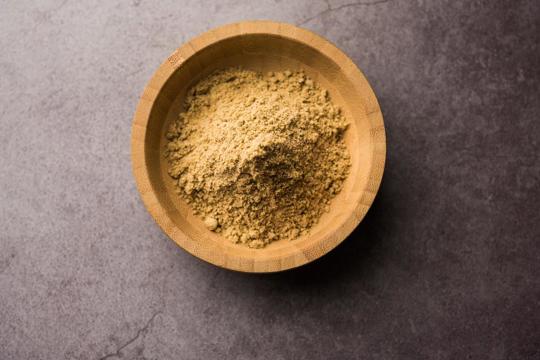
Chaat masala and garam masala are two widely used spices in Indian cuisine.
They both have a mix of various flavors, yet differ in taste and use - compare Chana vs Tikka comparison details for how blends change a dish.
Ingredients Used
Indian cuisine is known for its spices.
Two spice blends used a lot are Chaat Masala and Garam Masala.
Chaat Masala is tangy and spicy.
It's used for snacks like chaat and fruit salads.
It has cumin, coriander, amchur, black salt, dried mint leaves, and chili powder.
Garam Masala is warm and aromatic.
It's used for savory dishes, like curries, stews, and soups.
It has cinnamon, cloves, cardamom, cumin, black pepper, nutmeg, mace, and bay leaf.
These spice blends taste different and have different uses.
Chaat Masala adds freshness to snacks, while Garam Masala adds warmth and depth to curries.
So, know which one to use for the right flavor.
flavor and Taste
Chaat Masala and Garam Masala are two distinct spice blends in Indian cooking.
Let's look at the dissimilarities.
- Chaat Masala has a tangy and spicy taste. It contains cumin, coriander, amchoor, black salt, and a sour note from amchoor and lemon juice.
- Garam Masala is a mix of warm spices like cinnamon, cardamom, cloves, bay leaves, etc. It has a strong aroma and warms up the body.
- Chaat Masala is mostly used as a topping for chaat, fruits, salads, etc. Garam Masala is usually added to curries for its flavour.
- Chaat Masala brings out the sweet and salty flavours while Garam Masala adds a distinctive flavour without overpowering other ingredients.
- Chaat Masala works well with vegetarian dishes and Garam Masala creates a richness in meat dishes.
When making an Indian dish, or something with exotic flavours, the right blend of spices can make all the difference.
Knowing the distinction between Chaat masala and Garam masala will help you make delicious dishes that are more than ordinary.
Chaat Masala brings out the sweet and salty flavours while Garam Masala adds a distinctive flavour without overpowering other ingredients - see an extract vs flavor explained primer to explore how flavor components differ.
Culinary Usage
Chaat masala and garam masala are two spices used in Indian cuisine.
Chaat masala is a tangy blend of spices, like dry mango powder, cumin, coriander, black salt and chili powder.
Garam masala is more of a warm, aromatic mix with cinnamon, cloves, cardamom, nutmeg, black pepper, cumin seeds and coriander seeds.
These spices are often confused due to their similar smell and look.
However, they have different uses.
Chaat masala emphasizes tanginess in food, while garam masala brings out sweetness or richness in meats.
These blends are easy to prepare at home.
Cooks can adjust the spice level by adding or avoiding chili powder.
Chaat Masala and Garam masala are must-haves for any home cook who loves making delicious Indian food.
Regional Variations
When talking about spicing up Indian food, the choices are vast and complex.
Chaat Masala and Garam Masala have different uses and compositions.
Chaat Masala is a mix of dried mango powder, cumin, coriander, chili powder, salt, black pepper, asafetida, and ginger.
It adds zest to street food such as chaat or fruits.
Garam Masala is a blend of cinnamon, cardamom, cloves, cumin seeds, and coriander seeds.
It gives more flavor to meat dishes or curries.
Chaat Masala and Garam Masala cannot be replaced in recipes, because of their special tastes.
When you're cooking with Indian spices, keep in mind the contrasts between these two.
Similarities Between Chaat Masala and Garam Masala
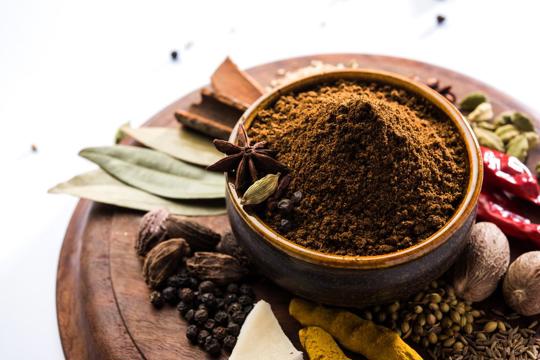
Chaat Masala and Garam Masala are two spice blends used in Indian cuisine.
They both have a mix of spices that add flavor and aroma to dishes.
Yet, there are few similarities.
Firstly, they both use several spices like cumin, coriander, and black pepper that give them an earthy flavor - check Garam masala substitute options for swaps that keep that earthiness.
Secondly, they can be used in vegetarian and non-vegetarian dishes.
From dry snacks to fruit salads and stews to soups and curries, they improve the taste.
Although there are some overlaps, they serve different purposes.
Chaat Masala is for adding a tangy flavor to cold snacks such as salads and fruit chaats.
Garam Masala adds warmth to hot meals and often contains sweet ingredients.
Common Recipes and Dishes Using Chaat Masala and Garam Masala
Chaat masala and garam masala are two beloved spice blends found in Indian cuisine.
They have different tastes, aromas and uses, though both involve a mix of spices.
Chaat masala is tangy and can include cumin seeds, coriander seeds, fennel seeds, dried mango powder, black salt and red chilli powder.
It often tops traditional Indian street foods such as bhel puri, aloo chaat and chana chaat.
Garam masala, on the other hand, is warming and includes spices like cinnamon, cardamom, cloves and nutmeg.
This blend adds flavor to curries, soups and meat dishes.
Both used in India, chaat masala and garam masala can also boost the flavor of international recipes - try them in big-taste vegan sandwich recipes for bold results.
For example, sprinkle chaat masala over grilled veggies or salads for a tangy twist.
Or, add garam masala to roasted meats or stews for a deeper flavor.
Just remember to use these blends in moderation - they can easily overpower other flavors.
With an understanding of chaat masala and garam masala, you can get creative in the kitchen and experience dynamic flavors.
Where to Use Chaat Masala and Garam Masala?
Chaat masala and garam masala are flamboyant spice blends used in Indian foods.
Here's where to use them for better taste:
- Chaat Masala: Sprinkle it on street foods, fruit salads, yogurt, and chutneys. It can also give lemonade or cocktails an unique twist.
- Garam Masala: Perfect for curries, stews, marinades, and rice pilafs. Add it near the end of cooking or as garnish to keep its flavors.
- Chaat Masala: Roasted nuts, grilled veggies, popcorn, or cottage cheese? Chaat masala will do the trick and perfectly match sweet & savory snacks.
- Garam Masala: Add it to chai tea, apple pie filling, banana bread, or chocolate truffles for an Indian twist. Its warmth pairs with cinnamon & cardamom.
- Chaat Masala: Experiment with fusion recipes. Try chaat masala in Mexican guacamole, avocado toast, or scrambled eggs.
Start small and adjust to your taste.
Remember, these spices should just improve the flavors, don't overpower.
Have fun cooking.
Add it near the end of cooking or as garnish to keep its flavors - read masala taste explained to learn which notes persist after cooking.
Spice Blends Compared: Chaat Masala vs Garam Masala
After exploring the differences between chaat masala and garam masala, it is clear that these two popularly-used spice mixes have their own nuances which create unique flavor combinations.
Chaat masala is a more flavourful blend of spices, rich in citrus, soursop and pomegranate seed, with a distinctive taste that works well with a variety of fruit and vegetable dishes.
Garam masala has its own strong flavor with spices such as cumin and coriander for giving warm depth to dishes.
So if you're looking for more of an all-purpose condiment or something deliciously tangy for your next dish, either garam masala or chaat masala could be just the thing.
The individual spice profiles contained within each subtly influence how the resulting flavors take shape in your meals, so why not get curious and experiment?
As long as you know what you like to eat and understand the essential characteristics of each blend then go on out there and play.
Authentic Indian Tandoori flavor has close substitutes. Authentic Tandoori substitute picks helps identify them. Chicken Tikka Masala side dishes lists effective pairings for a full meal.
Frequently Asked Questions
Ever stood in the kitchen, spices in hand, wondering what the heck is the difference between Chaat Masala and Garam Masala? They share some similarities but each has qualities that make it better suited for certain recipes.
It depends on the dish. Chaat Masala and Garam Masala share some overlap, but each shines in different preparations.
Swapping works best in forgiving recipes like soups or stews.
Pricing varies by brand and region, but one is typically more accessible at everyday price points. The other may cost more due to specialization or limited supply.
Is there a best time to use each one?
One shines in applications requiring subtlety and background support.
The other is better when it is meant to be a center.
Matching the right one to its role makes a noticeable difference.