
Chicken gizzards, a true flavor mystery to many, hold a unique place in soul food and traditional cuisines worldwide.
Often overlooked, these little morsels pack a punch when it comes to taste and texture.
For those brave enough to step outside their comfort zone, chicken gizzards offer a rich, meaty flavor that's both distinctive and surprisingly versatile.
They can transform an ordinary meal into something truly memorable with the right preparation.
Ready to give them a try?
What are Chicken Gizzards?
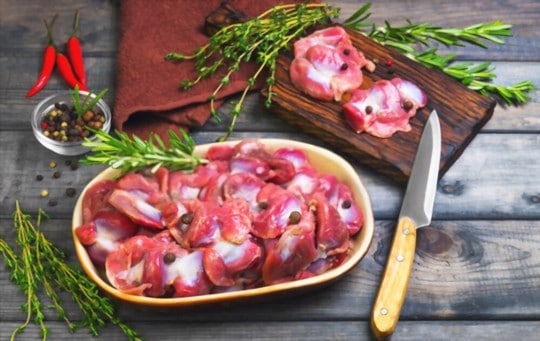
Before digging into deeper details, you need to understand what these parts are.
They are located in the digestive tract and they have a simple purpose.
Some could describe the gizzard as a stomach.
It consists of thick muscles located on the walls.
According to My Recipes, these walls are responsible for grinding food.
From many points of view, gizzards can be described as sophisticated stomachs that will do the chewing for some species - after all, you do not see chicken chewing food, do you?
Although you may have seen gizzards in commerce, most people never refer to them by their name.
Instead, you will find them mixed with other parts and the whole mix is referred to as organs.
Now that you have learned something new, what do these gizzards actually taste like?
Fungi have distinct savory notes - chicken of the wood flavor guide describes a mushroom often likened to poultry.
What Do Chicken Gizzards Taste Like?
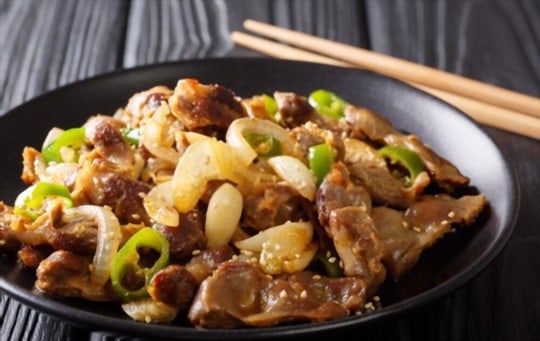
Chicken gizzards are often included with all the bits and pieces.
Overall, this category can be described as giblets or organs - kidneys may often be included, not to mention the heart.
When getting a bag of giblets, chances are you will only find one gizzard in there.
If you want more of them, you will need to purchase them outright - a bit difficult to find, but doable.
Unlike most expectations, gizzards taste nothing like other organs - if you expect something like liver or kidneys, you will be surprised.
Instead, chicken gizzards are similar to the dark meat in chicken.
In other words, they will be similar to legs, wings and thighs.
If you like chicken generally, chances are you will like gizzards too.
There are two differences.
First, the texture is a bit different, but not too problematic.
Second, you will find the flavor to be a bit more intense.
Moving back to the texture, it can get a bit chewy sometimes.
However, there are different ways to cook gizzards and you can fix this problem.
Just like any other part of the chicken, gizzards will not be eaten raw.
Instead, they are cooked and mixed into different recipes.
You will use different oils, as well as spices and condiments.
Besides, it is important to know that gizzards from different birds will taste a bit differently.
For example, chicken gizzards will be different from turkey gizzards.
Organ meats present a wide range of tastes - chicken livers taste exploration explains how liver character contrasts with gizzard meat.
How to Cook Chicken Gizzards?
Since the chicken is unable to chew food, the gizzard will break down food and help in digestion.
This is also why you can see birds swallowing grit and dirt - they build up the base of the gizzard.
As a result of this, you will find grit and pebbles inside.
This is the most important caution in the cooking process.
If you buy these things from a local grocery store, they have probably been cleaned already.
In terms of cooking, gizzards require more attention than other popular cuts, but they are not too tricky to cook.
They are tougher than other pieces and may not feel too tender.
This issue becomes history whether you broil, grill or fry them.
There is one secret though - boil them first, as you will make them more tender.
Once boiled, let them cool down and cook them anyway you want.
Now, while not so common, gizzards can also be braised.
Experts agree that you can also sauté them.
Feel free to cure them into salt and spices upfront, as the meat will absorb all these things and become more flavorful.
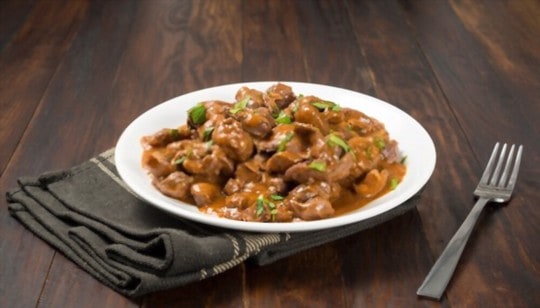
Despite all these options, most people use gizzards in soups or other similar meaty dishes.
Bold seasoning can redefine a dish - Hunan chicken flavor profile shows how spicy marinades amplify texture and taste.
Taste and Texture of Chicken Gizzards
As a short final conclusion, gizzards are definitely unique and less known.
Most people have never heard of them, but ask a butcher and they will tell you everything you need to know.
They are not given too much attention, so they are often mixed in with organs and giblets.
However, there is a market for them and some people actually appreciate them on the side.
Similar to the actual chicken in taste and aroma, the texture is what makes gizzards a bit more difficult to prepare, but not impossible.
Frequently Asked Questions
Chicken gizzards, a true flavor mystery to many, hold a unique place in soul food and traditional cuisines worldwide. Often overlooked, these little morsels pack a punch when it comes to taste and texture.
Now that you have learned something new, what do these gizzards actually taste like?
Several foods share flavor notes with Chicken Gizzards. Tasting similar items side by side is the easiest way to map out what you enjoy and find new favorites.
Can you adjust the intensity of the flavor?
Yes.
Pairing it with acidic, sweet, or fatty components shifts the perceived intensity.
A squeeze of citrus brightens mild flavors, while fats like butter or oil mellow sharper ones.
Avoid pairings that clash with its dominant flavor note. Competing intensities - very sweet with very sour, or heavy with delicate - tend to obscure rather than go with the taste.
Sweet-and-sour profiles change perceptions of poultry. sweet and sour chicken flavor outlines how tang and sugar interact. butter chicken flavor breakdown details a creamy, spiced approach that highlights richness.