
Chickpeas taste mildly nutty and earthy, with a creamy, slightly grainy texture when cooked. They soak up flavors from olive oil, garlic, cumin, and lemon, making them ideal for hummus, curries, and crisp roasted snacks.
But have you ever paused and really thought about what chickpeas bring to the table?
Sure, they're round, kinda beige, and have a texture that's hard to pin down, but there's so much more to them.
Chickpeas are like that quiet friend who's always got your back, ready to add a punch of nutrition and flavor to any dish.
Today, we're cracking open the chickpea mystery.
No fluff, no fancy terms, just straight-up chickpea chat. Ready to dive in?
What are Chickpeas?
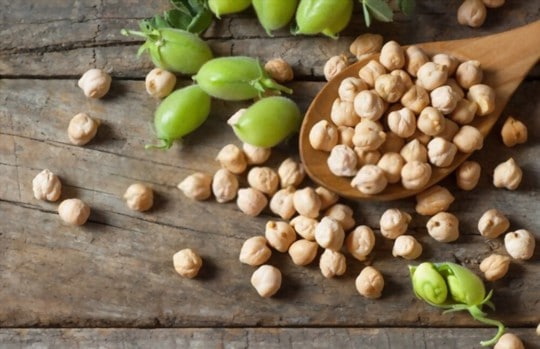
Chickpeas belong to the Fabaceae family and are categorized as an annual legume.
There are two main types of chickpeas, namely Desi and Kabuli.
Did you know? Chickpeas are considered one of the first vegetables to be cultivated on earth.
In fact, the first chickpeas are believed to have grown around 7,500 years ago in Mesopotamia.
They're popularly used all over the world, chickpeas are a key ingredient in Middle Eastern and Mediterranean cuisines.
They're used to create popular dishes like falafel and hummus in these regions, which are loved by almost all people around the world.
Besides, chickpeas are also super popular in Indian cuisine.
Indians use this ingredient in salads, curry, chana masala, stews, and soups.
Not just for consumption, but India was also responsible for 70% of chickpea production on a global scale in 2019.
Thanks to their versatility, chickpeas have blended well in almost all kinds of cuisines and have suited the taste preferences of many.
Their low-calorie content and high protein also make chickpeas ideal for vegans.
Chickpea-based sweets can use bright citrus notes - lemon dessert pairings and ideas lists flavors that complement lemon in desserts.
What Do Chickpeas Taste Like?
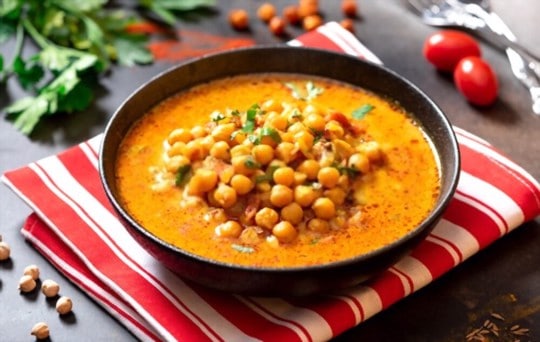
Let's get to this straight - chickpeas taste extremely good.
They have a typical bean-like flavor, as expected from something that belongs to the legume family.
They have their own flavor, the good thing about chickpeas is that they don't overpower the taste of other ingredients - unlike some bold fruits like acai berry taste guide for flavor.
The overall flavor of chickpeas is mild, thereby making them a good addition to any kind of recipe.
Also known as Egyptian pea, chole, gram, or garbanzo bean, chickpeas can be compared to cannellini or pinto beans in terms of flavor.
Chickpeas look ordinary, with a pale and dull color.
However, don't underestimate this legume for its basic looks.
Its flavor is sure to blow your find, and it'll soon become a staple in your pantry once you taste it.
Both types of chickpeas- desi and Kabulis, taste more or less the same.
Both have some earthy and nutty notes.
However, the final flavor of this legume will depend a lot on your cooking style.
When mashed, chickpeas resemble mashed potatoes with a gooey and grainy texture.
Besides their unique flavor, chickpeas are a true superfood for your health.
They're not only delicious and healthy but also environmental-friendly.
In fact, these beige-colored nuggets are considered the healthiest plant-based legume.
In a single cup, they pack a punch of protein and fiber; 11 grams and 35 grams, respectively.
In addition, chickpeas are also an excellent source of manganese, folate, iron, phosphorus, and magnesium.
How to Cook Chickpeas?
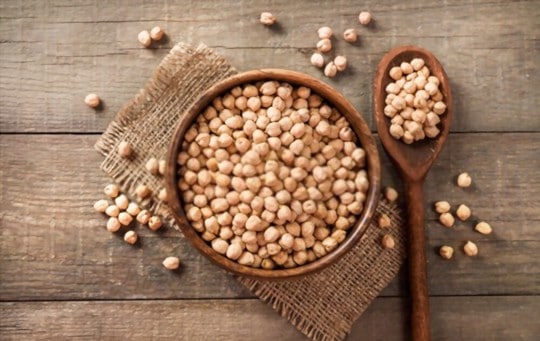
You can find chickpeas in two main forms - dried and canned (usually labeled as garbanzos).
While both have their own pros and cons, we think fresh and dried chickpeas provide the most flavor and nutrients.
However, it's just a matter of preference.
Canned garbanzos are an ideal option for people who are always on the go.
All you have to do is drain the canned chickpeas, rinse them, and cook them in water for about 30 minutes.
You can add in your favorite seasonings and a dash of olive oil for more flavor.
Dried chickpeas, on the other hand, need a tad more patience.
But the result is extremely rewarding.
For making dried chickpeas, start by soaking them in water overnight, or at least for a couple of hours until they swell.
Perhaps you want to cook dried chickpeas right away but didn't get the time to soak them.
Simply pressure cook them for a few whistles, and they'll be good to go.
Here are some delicious chickpea recipes that you should definitely try:
Quick chickpea meals pair well with speedy sides - 22 veggie sides that cook in under 12 minutes offers fast options.
- Chickpea Salad.
- Hummus.
- Falafels.
- Chickpea and Spinach Stew.
Final Thought
Chickpeas are one of the most popular vegetarian foods in the world.
They come in different types and can be used to create an endless list of dishes.
While unripe chickpeas can be eaten raw (out of their pod), mature chickpeas are usually cooked to eat with salads and stews.
They are also mashed to create delicious dips and are often roasted to be eaten as snacks.
Since they're so easy to prepare and blend with a wide range of cuisines, chickpeas are a favorite among both novice cooks and foodies.
Black and white varieties can play different roles in recipes. black chickpeas vs white chickpeas: difference explained examines those contrasts. fava beans vs chickpeas: comparison and uses explores when to choose one legume over the other.
Frequently Asked Questions
Chickpeas are like that quiet friend who's always got your back, ready to add a punch of nutrition and flavor to any dish. Thanks to their versatility, chickpeas have blended well in almost all kinds of cuisines and have suited the taste preferences of many.
Let's get to this straight - chickpeas taste extremely good.
Some people enjoy Chickpeas right away while others need a few tries. The flavor can grow on you, especially when paired with familiar ingredients in a dish you already like.
Does it taste different depending on how it is prepared?
Preparation makes a significant difference.
Raw, roasted, fried, and steamed versions each bring out different qualities - sweetness, bitterness, earthiness, or richness - in the same ingredient.
Yes. Different cultivars, origins, or processing methods produce meaningful flavor differences.
If one version did not appeal to you, trying a different variety is worth the effort.