
Congee and porridge seem like twins separated at birth. T4Both classic, comforting bowls of warmth that have hugged many through cold mornings or healed souls during sick days.
Yet, they're not the same.T7
Our adventures in the kitchen taught us this. We once tried swapping rice for oats in hopes of a quick breakfast.
Spoiler: It was a culinary comedy of errors.
Congee, a rice-based wonder, is often silky and savory. Porridge, on the other hand, can be anything from oats to wheat, with a texture that hugs your spoon differently.
T4Texture is key.T5
Today, we lay it all out. No more kitchen stand-offs.
What is Congee?
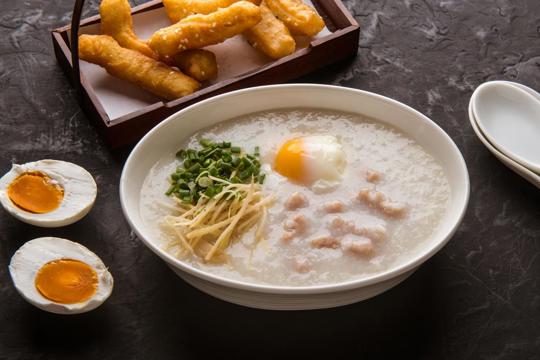
Congee, also known as rice porridge, is a traditional Asian dish that has been enjoyed for centuries.
It's made by simmering rice in water or broth until it's thick and creamy.
You can make it thin and soupy or thick and hearty, depending on your preference.
You can flavor it with meat, seafood, vegetables, or herbs for a deeper, more complex taste.
Congee is so versatile.
You can eat it anytime of the day - breakfast, lunch, dinner, or even a late-night snack.
And in some cultures, congee is believed to have healing properties.
It's easy to digest and soothing to the digestive system.
Congee is more than just delicious and versatile.
It's culturally significant in many Asian countries.
It's seen as a sign of nurturing and care.
People often prepare it for large gatherings or to comfort loved ones.
Congee has even become popular around the world because of its simple yet satisfying flavors.
For dessert pairings that finish a simple meal, lemon dessert pairings and options lists flavors that complement citrus-based treats.
What is Porridge?
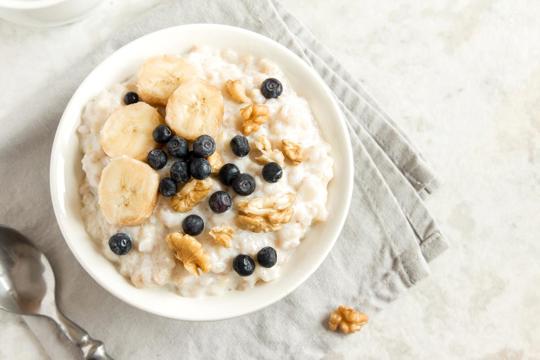
Porridge: a comforting dish that's been around for ages.
It's made by boiling grains or legumes in milk or water until they're soft and thick.
You can have it thin or thick - whichever you prefer.
Oats are the most popular type.
Cooked in liquid until creamy, then flavoured with cinnamon, honey, or fruit.
Rice pudding is another type.
Made by simmering rice in milk, sweetened with sugar or other sweeteners.
Porridge is nutritious too.
It gives energy, fiber, vitamins, and minerals.
Great for breakfast; keeps you full for longer and helps balance your blood sugar levels.
Porridge has cultural importance too.
It's been a staple food in many cultures for centuries.
Even mentioned in ancient texts and literature.
For savory toppings and crunchy sides that contrast creamy porridges, what to eat with guacamole combos suggests textures and flavors that translate well.
Differences Between Congee and Porridge
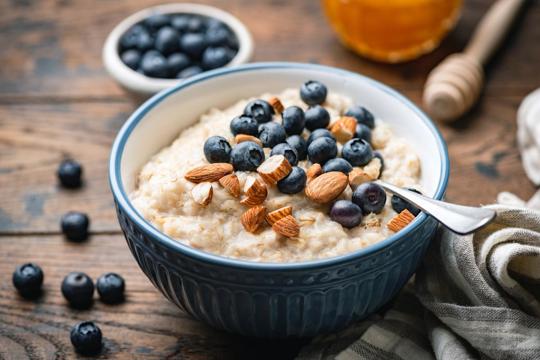
Congee and porridge may look similar, but there are differences - see grits vs porridge comparison for another way they diverge.
1 - Ingredients Used
Congee and porridge - similar, yet distinct.
Rice is the main ingredient in congee - cooked with more water for longer, making it thick and creamy.
Various meats, veggies, and herbs add flavor.
Porridge is made with oatmeal or cornmeal with less water.
Sweet or savory, it's often enjoyed with toppings like fruits, nuts, and spices.
Despite similarities, the ingredients make congee and porridge different in taste and texture.
2 - Consistency and Texture
Congee and porridge seem similar.
But texture makes them different.
Congee is thick and creamy, with a smooth, pudding-like consistency.
Perfect for digestion or if you're not feeling well.
Porridge has a thicker texture.
It's made with oats, barley, or cornmeal.
Cooked in water or milk until creamy and hearty.
Porridge is chewy and substantial.
Both congee and porridge have textures that suit different diets.
So pick your favorite.
Congee's silkiness or porridge's heartiness.
There's something for everyone.
3 - Cooking Time
Cooking time is key when making congee or porridge.
It dictates how long it takes for the flavors to blend together and create a tasty dish.
So, it's essential to stick to the recommended cooking time.
Congee typically takes longer to make, as it's usually prepared with rice that needs more time to thicken into a creamy texture.
The slow simmering lets the ingredients' flavors mingle, resulting in a delicious bowl of congee.
Porridge takes less time to cook, since it's usually made with grains like oats or barley that soften quickly.
This way, the grains stay nice and textured without becoming too mushy.
Plus, different grains can be used for a personalised taste and dietary requirements.
However, cooking times may differ depending on the recipe - and note how ingredients change technique in this white cooking wine vs vinegar comparison.
For example, some congee recipes with meat or vegetables might need more cooking time.
Also, porridge with whole grains instead of rolled oats might require a longer simmer.
4 - Cultural Variations
Cultures differ, thus influencing the individuality of many dishes.
Congee and porridge are no strange exception.
They too, bear the stamp of this diversity.
Similarities Between Congee and Porridge

Congee and porridge are alike in many ways.
Both offer warmth and comfort, made with grains like rice or oats that become soft when cooked in water or broth - compare porridge oats vs oatmeal breakdown to understand oat choices.
The texture is smooth.
Different cultures love these nourishing staples for their versatility - savory or sweet, depending on added ingredients.
Plus they're great for those with sensitive stomachs or recovering from illness.
Congee has deep Chinese roots, while porridge has been part of various cultures throughout history.
Savory congee toppings could be shredded meat, veggies, pickles, soy sauce.
For porridge, herbs, spices, veg, even a soft-boiled egg.
Sweet varieties could feature fruits, honey, nuts, cinnamon.
Congee is often prescribed in traditional Chinese medicine.
Porridge is recommended for babies transitioning to solid foods.
Both have their own special place in the global culinary map.
No matter where you are, savor the comfort of a bowl of congee or porridge.
Flavor and Taste Comparison
Flavor and taste are hugely important when talking about congee vs porridge - for a primer on how concentrated ingredients change profiles, see extract vs flavor comparison guide.
Both are comforting and creamy.
But congee stands apart, as it has a mild, subtle flavor with a hint of savory.
It's usually lightly seasoned with ingredients like ginger, garlic, or soy sauce, amplifying its delicate taste.
Porridge, however, can be sweet or savory, so you can play around with the flavors depending on what you add.
Fruits, nuts, and spices are common choices to make porridge more exciting.
Regional Variations of Congee and Porridge
Congee and porridge are beloved dishes, with exciting regional spins.
Across the globe, from Asia to Europe, diverse cultures have infused their own flavor - read what porridge tastes like guide for regional taste notes.
In China, congee is often cooked with rice and water, creating a creamy texture.
Topped with preserved eggs, chicken or pickled veggies, it's a delicious dish.
Japan's okayu is made with more water, for a soupy consistency.
Europe's porridge is different.
Scotland uses oats, cooked slow with honey or jam.
Scandinavia creates grøt, with grains like barley and rye, plus butter and cinnamon sugar.
India makes kheer or payasam, with rice or vermicelli, milk and sugar.
Aromatic spices and nuts or dried fruit finish it off.
In Thailand, khao tom is made with chicken broth, garlic and ginger, and served plain or with fried shallots and cilantro.
These dishes show how congee and porridge can be adapted to local tastes.
From China's simple congee to Scotland's nourishing porridge, each variation celebrates the cultures and traditions of its region.
Popular Congee and Porridge Recipes
Congee and porridge appear similar, yet there are distinct differences between them.
Congee is a traditional Asian dish made of cooked rice in water or broth.
It's often served with meat, vegetables, or herbs to enhance flavor.
Porridge is a more general term for any hot, soft food boiled in milk or water.
It can be made with oats, cornmeal, or lentils.
Porridge consistency varies based on preference and culture.
A classic congee recipe is 'Chicken Congee'.
This comforting dish is created by simmering chicken, rice, and ginger in a flavorful broth until tender.
This is often favored when needing a warm, nourishing meal.
Another popular congee is 'Fish Congee', made with fish fillets added to the rice for delicate flavor.
This recipe is common in coastal areas with fresh seafood.
For porridge recipes, 'Oatmeal Porridge' is a breakfast favorite.
Oats are cooked with milk or water until creamy.
Toppings such as fruits, nuts, honey, or cinnamon add extra flavor and nutrition.
'Cornmeal Porridge' is a Caribbean classic wherein cornmeal is cooked with coconut milk and spices like nutmeg and cinnamon, forming a smooth porridge.
This hearty dish is served for breakfast or dessert.
Congee is stickier and creamier from the long cooking process of the rice.
Porridge can be thick and hearty or thin and smooth; it depends on taste.
Also, congee is linked to Asian cuisines like Chinese or Vietnamese, while porridge is enjoyed around the world with variations in ingredients and flavors.
If seeking hearty plant-based breakfast or brunch options, vegan sandwich recipes with big flavor offer savory alternatives that pair well with warm bowls.
Texture and Ingredients: Congee vs Porridge
It seems that congee and porridge really aren't all that different.
Both comfort dishes can be used to make a variety of dishes, ranging from savory to sweet.
While congee is Asian in origin, porridge actually has a long-standing tradition in the West as a healthful meal.
Ultimately, no matter what you call it or how you prepare it, either dish can easily become part of your weekly rotation if desired.
Choose a few grains - oats, rice, millet - pick some toppings or mix-ins - nuts, fruits - and get creative.
Congee and porridge are versatile dishes; enjoy.
Frequently Asked Questions
Porridge, on the other hand, can be anything from oats to wheat, with a texture that hugs your spoon differently. They share some similarities but each has qualities that make it better suited for certain recipes.
Sometimes. Congee works where Porridge is called for in certain dishes, but not all.
Check whether the recipe relies on a specific quality before substituting.
Cold preparations like salads and dressings often favor the option with a sharper, more defined flavor. Heat can mellow both, so the distinction matters more in uncooked dishes.
Do professional cooks prefer one over the other?
Professional preference depends heavily on the dish and cuisine style.
Each has its context where it outperforms the other, so most experienced cooks keep both on hand.
20 Warm and Cozy Porridge Recipes to Start Your Morning are perfect for trying new grains. 20 porridge recipes to start your morning collects warming ideas. porridge oats vs oatmeal breakdown helps pick the right grain for each recipe.