
Cow tongue might sound like something out of a wild food challenge, yet it's a delicacy enjoyed worldwide.
Trust us, it's way more common than you think!
This unique dish offers a surprising mix of flavors and textures that could easily make it onto your list of favorites.
What is Cow Tongue?

First of all, cow tongue is a muscle.
The idea of eating it feels disgusting because it gets in touch with everything the cow eats.
But then, other muscles in the body can see even more disgusting things, yet people eat them with no issues at all.
All in all, the primary role of the cow tongue is to help in chewing.
It is one of the cheapest parts when you go to a butcher, but on the same note, it is among the tastiest muscle tissues you can have.
The problem is you are less likely to find it in a regular butcher shop - instead, you may need to dig deeper and find Asian butchers.
Despite not being too popular in the western culinary culture these days, cow tongue has actually been a source of nutrients for people for thousands of years.
Now that you have a few clues about it, what should you expect in terms of taste?
For readers curious about similar-sounding products, the Nutr vs Almond Cow comparison breaks down which option fits different needs.
Cow Tongue Taste Description

If you have never tasted cow tongue, you probably have all kinds of ideas regarding the aroma and flavor - most of them are wrong, though.
The taste is similar to most other beef cuts, so you are less likely to be impressed - probably a bit better though, and this is because of the texture.
Compared to other cuts, beef is a bit milder.
Despite being muscle tissue, it is relatively soft and has the type of texture that feels like it is about to melt in your mouth.
Now, in terms of texture, cow tongue is covered in pores.
In other words, it will absorb anything you throw at it - acai berry taste guide revealing flavor.
Cook it in a certain sauce, and it will taste like that sauce.
Bring in some condiments, and they will immediately penetrate the meat.
This is what makes cow tongue so delicious - compared to other beef cuts, it embraces any flavor you throw in.
When cooked alone, cow tongue tastes like other beef cuts - sometimes, you would not even be able to tell the difference.
Some may say that beef tongue tastes a little like liver - you can get rid of the blood or metal flavor by keeping it in salty water for about half an hour before cooking it.
However, you are less likely to eat it alone anyway, but mixed into a more sophisticated dish, whose taste it will borrow.
How to Prepare and Cook Cow Tongue?
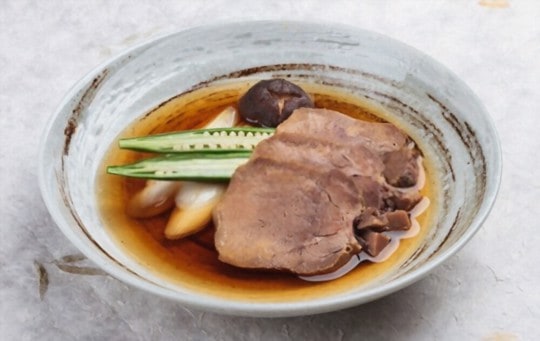
Some may dislike the chewy texture of cow tongue, but cooking it by the book will make it delicious.
There are more ways to cook cow tongue - just like for any other type of beef cut.
The most common one implies simmering for hours over a stove.
The meat will go soft, while gristle will become history - it will also be tender and easy to chew, without feeling too rubbery.
Spice it up with extra herbs and spices - keep in mind that such flavors will be more intense because the meat will absorb them.
Roasting cow tongue is another good idea - great for those looking for a quick dinner; pair it with veggie sides under 12 minutes to complete the meal.
Each side must be thoroughly cooked to ensure the meat is not raw in the middle.
If roasted correctly, the meat should be crispy on the outside and soft on the inside.
Grill cow tongue if you feel like it or fry it in a pan - something different, but definitely worth it.
You should marinate it first, and if you do choose to fry it, use some oil to make it crispy.
Despite its reputation, cow tongue can be delicious if cooked accordingly.
Cow Tongue Flavor Summary
As a short final conclusion, what does cow tongue taste like?
To keep it simple, cow tongue will taste like most other beef cuts.
It feels a bit chewy and may sometimes taste like liver, but you can avoid these problems if you cook it the right way.
On the other hand, cow tongue is rich in pores, which will absorb anything.
No matter what you cook it in or what else you bring in, cow tongue will absorb those flavors and aromas straight away.
Whatever you use with it, expect those aromas to be enhanced.
For differences between working bovines, see Ox vs Cow differences explained. For another comparative look at cow-related products, Nutr vs Almond Cow comparison helps clarify choices.
Frequently Asked Questions
This unique dish offers a surprising mix of flavors and textures that could easily make it onto your list of favorites. Now that you have a few clues about it, what should you expect in terms of taste?
If you have never tasted cow tongue, you probably have all kinds of ideas regarding the aroma and flavor -.
Some people enjoy Cow Tongue right away while others need a few tries. The flavor can grow on you, especially when paired with familiar ingredients in a dish you already like.
Does it taste different depending on how it is prepared?
Preparation makes a significant difference.
Raw, roasted, fried, and steamed versions each bring out different qualities - sweetness, bitterness, earthiness, or richness - in the same ingredient.
Yes. Different cultivars, origins, or processing methods produce meaningful flavor differences.
If one version did not appeal to you, trying a different variety is worth the effort.