
Perfect for high-heat cooking, duck fat is actually considered a healthy cooking medium.
It's closer to olive oil than butter in terms of nutritional value.
So, why not try replacing your regular cooking oils with duck fat?
However, if you've never worked with duck fat before, you may wonder what does duck fat taste like.
Is it overpowering or mild? Will it mess with the flavor of your dish?
Can you use it like any other regular oils?
We're here to clear all your questions.
Just read further to learn more about this rich and healthy fat.
What is Duck Fat?
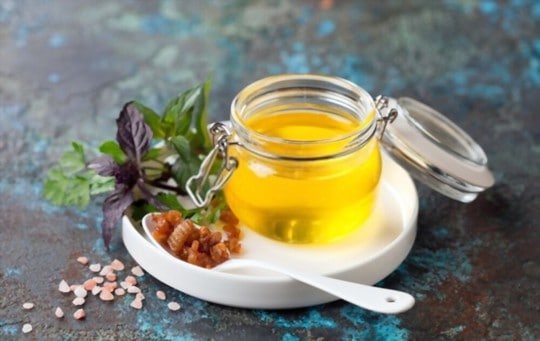
First things first, let's get to know what duck fat is.
Duck fat is the layer of fat that lies under the skin of a duck.
It's an excellent energy source and provides insulation for ducks, especially during cold weather.
Duck fat is made up of mostly monounsaturated fats, which are considered healthy fats.
In fact, these types of fats can help lower bad cholesterol levels and improve heart health.
So, now that you know duck fat is healthy, - or explore duck breast taste guide to compare how the meat and fat complement each other.
Most cooking oils are made up of mostly polyunsaturated fats.
These fats are not as stable as monounsaturated fats and can easily become rancid.
On the other hand, duck fat is more stable because it contains a higher amount of monounsaturated fats.
This means that duck fat has a longer shelf life and can be stored at room temperature for months.
What Does Duck Fat Taste Like?
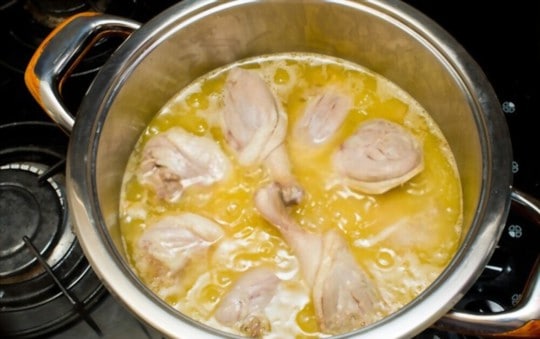
Also known as Schmaltz, duck fat has a rich and slightly sweet flavor.
It is popularly used in French cuisine to add flavor and richness to dishes - and for a contrasting take on duck flavor try Peking duck flavor profile.
If you're looking for a healthier alternative to butter or other oils, duck fat is a good option.
It has a high smoke point, which means you can use it for high-heat cooking without breaking down.
Duck fat, in itself, has a subtle flavor.
But it's packed with overwhelming richness, which can improve the flavor of your dishes.
Duck fat is closely related to extra virgin olive oil.
Not the same, both oils are excellent sources of healthy fats, particularly linoleic acid, and oleic acid.
And you can use them interchangeably in cooking.
Of course, duck fat isn't the healthiest option.
However, compared to pork and beef fat, duck fat is significantly lower in saturated fats.
Hence, it's considered a healthier alternative.
Now, this doesn't mean that you can go ahead and use duck fat in all your cooking.
Remember, moderation is key, as with anything else.
How to Cook and Use Duck Fat?
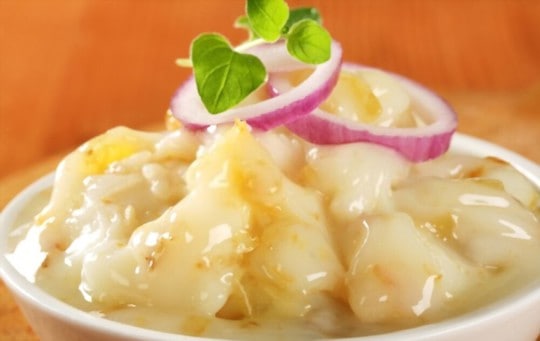
All equipped with your duck fat knowledge? It's time to rock the kitchen and put your duck fat to good use.
Duck fat is readily available in most supermarkets.
You can also find it online.
When buying duck fat, make sure to get the purest form possible.
If you want, you can make your own duck fat at home.
Simply render the fat from duck skin and save it for future use.
Here's how to do it:
- Start by heating the duck skin in a saucepan over medium heat.
- Once the skin starts to render its fat, add water to the pan.
- Bring the mixture to a simmer and let it cook until the water evaporates.
- Remove the pan from heat and strain the duck fat through a cheesecloth.
- Let the duck fat cool completely before storing it in a jar or container.
Now that you know how to make your own duck fat let's get to cooking.
Here are some tips on how you can cook with duck fat:
Use it for roasting: Duck fat is perfect for roasting potatoes, sweet potatoes, carrots, and other vegetables.
The key is adding just enough duck fat, so the vegetables are coated but not drenched in it.
Add it to soups and stews: Duck fat can also be used to add flavor and richness to soups and stews.
Simply sauté the vegetables in duck fat before adding them to the soup or stew.
Bake with it: Duck fat can be used in baking as well.
You can use it to make pies, pastries, and even cakes.
It'll give your baked goods a flaky and moist texture.
Fry with it: You can also use duck fat for frying.
The key is to heat the fat until it reaches the right temperature.
Otherwise, your food will either be greasy or dry.
For a sweeter, condiment-style counterpart that often appears alongside duck preparations, see the duck sauce taste guide to learn what to expect.
Final Thought
Now that you've reached the end of our post, what do you think? Does duck fat deserve a spot in your kitchen?
Duck fat is a good option if you're looking for a healthier alternative to butter or other animal oils.
Besides, duck fat is also extremely rich and delicious.
It can turn any boring dish into a gourmet meal.
Duck fat is also relatively easy to cook with, so don't be afraid to experiment in the kitchen.
Both lean and fatty duck cuts offer unique flavors. duck meat taste guide explains how meat flavor differs by preparation. duck breast side dish ideas recommends sides that complement those flavors.
Frequently Asked Questions
Is it overpowering or mild? Will it mess with the flavor of your dish?
Just read further to learn more about this rich and healthy fat. Try it in a few different preparations to find which version you prefer.
Is Duck Fat an acquired taste?
Some people enjoy Duck Fat right away while others need a few tries.
The flavor can grow on you, especially when paired with familiar ingredients in a dish you already like.
Preparation makes a significant difference. Raw, roasted, fried, and steamed versions each bring out different qualities - sweetness, bitterness, earthiness, or richness - in the same ingredient.
Are there varieties that taste noticeably different from each other?
Yes.
Different cultivars, origins, or processing methods produce meaningful flavor differences.
If one version did not appeal to you, trying a different variety is worth the effort.