
Have you ever wondered - what does elephant taste like?
In some parts of Africa, it's a delicacy enjoyed by locals.
However, due to laws and regulations, it's not something you'll find on a menu in the US.
Elephant meat is tough and fibrous, making it a challenge to chew.
The taste is often described as similar to beef but with a distinctive flavor all its own.
Chefs often season and serve the meat with a sauce to improve the flavor.
While it may not be a common meal, elephant meat is a unique cooking experience for those who have tasted it.
What is Elephant?
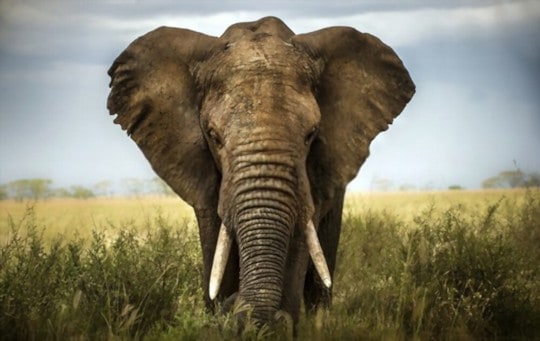
Elephant meat is elephants' flesh and various other portions that are edible, including their tails.
It is primarily consumed in parts of Africa, where it is known as bushmeat.
Despite being a source of protein, it is not a widely consumed type of meat worldwide.
The Romans consumed it when they vanquished Egypt, but it hasn't been a prominent menu item in centuries.
However, elephant meat remains a sought-after delicacy in certain parts of Africa, where it is often cooked in stews or roasted over open fires.
The practice of hunting elephants for their meat is illegal in many countries.
But it continues in some areas due to cultural traditions and economic necessity.
Conservationists are working to promote alternative livelihoods for communities that rely on bushmeat as a source of income.
They also educate people on the importance of conservation and sustainable use of natural resources.
For pairing ideas on the sweeter side of the menu, see lemon dessert pairings and ideas to explore bright contrasts for rich dishes.
For a very different exotic flavor profile, read acai berry taste guide revealing flavor to compare how fruit-forward notes contrast with game meats.
What Does Elephant Taste Like?

The taste of elephant meat has been a topic of debate, with mixed opinions.
Some Africans and lawmakers praise it as delicious, comparing it to the taste of venison.
However, other reports suggest that the meat can be coarse and oily.
Elephant meat might be a good option for those who enjoy tougher-textured meat like jerky.
Some people describe the taste as unpleasant and peculiar, with a texture that varies between coarse and slightly gelatinous.
Some have even compared it to Spam. As herbivores, elephants primarily feed on fruit or grasses.
So, the meat is usually dense and fibrous, which can be challenging to chew.
While it tastes similar to beef or veal, it has a gamier flavor and is often compared to venison.
People often serve elephant meat with a sauce or marinade accentuating garlic and onions to help offset any gaminess.
Despite its reputation, bushmeat is surprisingly lean with a fat content similar to that of pork, and it's low in cholesterol.
It also has more vitamin C, B vitamins, and potassium than chicken, pork, and beef, making it a good source of nutrients.
It is very high in iron, with 46% higher levels than beef, and is a great protein source.
For those who struggle with elevated levels of blood sugar or follow a ketogenic diet, elephant meat may be beneficial.
It is a low-carbohydrate food option that they can include in their diet.
Also, it contains zinc, which helps to boost the immune system.
Is it Illegal to Eat Elephant Meat?

Eating elephant meat is illegal in many nations because of conservation efforts.
The Endangered Species Act (ESA) protects elephants by imposing bans on the import and export of dead or living elephants.
The Convention on International Trade of Endangered Species (CITES) also forbids the international marketable sale of any ivory from an African elephant.
It may be difficult to eat bushmeat in the United States.
But it is not illegal to eat cooked or canned food that contains meat from several wild animals.
This entails elephant meat that have been available before CITES outlawed retail trade in 1997.
However, it's important to confirm that you're not importing an endangered species into your country.
It's important to discern the harm caused by the illegal wildlife trade and the importance of conservation efforts.
Poaching and illegal hunting not only threaten the survival of endangered species like elephants but also harm the systems they inhabit.
The legality of elephant meat consumption banks on various factors, such as the country, import/export laws, and conservation efforts.
It's necessary to understand the laws and regulations in your area to make informed choices about the food you consume and the impact it may have on the environment.
When considering legal and ethical restrictions at gatherings, pairings matter - what to eat with guacamole combo ideas suggests crowd-friendly side options that avoid controversy.
Unique Taste Attributes of Elephant Meat
Elephant meat may be considered a delicacy in some parts of the world.
But it's significant to assert the ethical and ecological implications of consuming it.
Although it may be healthy and tasty, the fact that elephants are endangered species on our planet should not be overlooked.
We should comprehend the impact our choices can have on the environment and the animals we share them with.
While we don't endorse or encourage the consumption of elephant meat, we hope that this information has provided you with insight into its taste.
Let's work towards protecting and preserving our planet's wildlife for generations to come.
Frequently Asked Questions
Have you ever wondered what does elephant taste like? The taste is often described as similar to beef but with a distinctive flavor all its own.
Chefs often season and serve the meat with a sauce to improve the flavor.
Several foods share flavor notes with Elephant. Tasting similar items side by side is the easiest way to map out what you enjoy and find new favorites.
Can you adjust the intensity of the flavor?
Yes.
Pairing it with acidic, sweet, or fatty components shifts the perceived intensity.
A squeeze of citrus brightens mild flavors, while fats like butter or oil mellow sharper ones.
Avoid pairings that clash with its dominant flavor note. Competing intensities - very sweet with very sour, or heavy with delicate - tend to obscure rather than go with the taste.
Acai offers a contrasting tropical profile to meaty flavors. acai berry taste guide revealing flavor explains those notes. Many wild meats fall into a familiar spectrum of intensity; gamey meat taste explained guide outlines typical characteristics.