
Ezekiel bread is a solid option in the bread aisle. Forget what you think you know about whole grain breads.
This one's different, packed with nutrients and a unique flavor that'll have you curious from the first bite.
Made from sprouted grains, it brings a nutty, slightly sweet taste that's anything but ordinary.
Whether you're a health enthusiast or just someone looking to mix up their sandwich routine, Ezekiel bread is worth a look.
What is Ezekiel Bread?
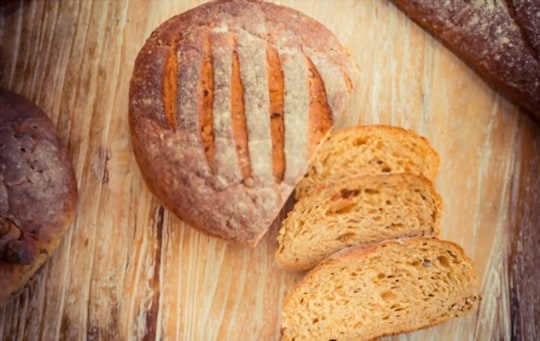
If you search the market for bread, you will come across many varieties made from different ingredients.
While most use flour, some types use sprouted legumes and whole grains.
Ezekiel Bread is a variety that comes from sprouted legumes and grains such as wheat, spelt, barley, millet, lentils, and soybeans.
Sprouting grains increases their nutritional value, so you have both goodness and taste.
The name comes from the Old Proof passage from Ezekiel 4:9, which goes, "Take wheat and barley, beans and lentils, millet and spelt; ….".
However, you must not assume that it's only for religious people or religious purposes.
It's for everyone who wants to eat healthier bread.
Most bread comes from refined flour, and this isn't healthy.
The majority of the nutrients wash away when the flour is being processed.
When thinking about flavor pairings, consider how bright citrus complements baked goods - lemon dessert pairings list shows classic matches that highlight acidity and sweetness.
What Does Ezekiel Bread Taste Like?
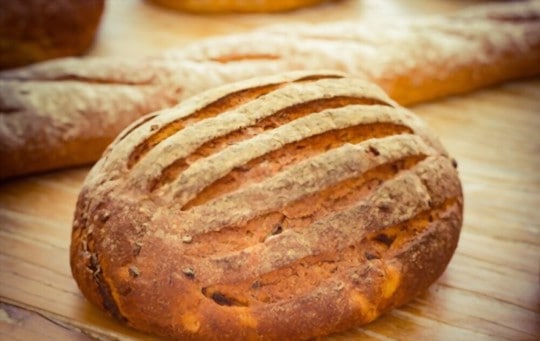
Some foods are healthy with full of nutrients but not delicious.
But it's completely different from Ezekiel Bread because it's not only nutritious but also delicious.
So, you not only receive the nutrients but also enjoy the food as you consume it.
Ordinary bread is slightly bitter in its natural state.
It only tastes sweet because of the added sweeteners.
Some varieties do not contain any sweet ingredients, and when you consume this bread, you will experience a bitter flavor.
Ezekiel bread is, however, naturally slightly sweet without any artificial sweeteners.
It's because the starch turns to sugar when sprouting.
It has a grainy and chewy texture with a slightly sweet and nutty flavor.
If you are wondering what it tas - also compare with Irish soda bread taste guide to see how simple, hearty loaves differ.
All of the bread varieties mentioned above taste similar to Ezekiel bread in some ways.
If you can't find it at stores nearby, you can also eat the types of bread mentioned above.
- Nutrition Value of Ezekiel Bread.
One slice of bread is equivalent to one serving, and it contains 80 calories with 4g protein, 15g carbs, 3g fiber, vitamins, and minerals.
It's also higher in fiber than most other varieties.
However, Ezekiel bread isn't gluten-free.
So, those who are gluten sensitive or intolerant should think about it before eating it.
What is the Difference Between Ezekiel Bread and Regular Bread?
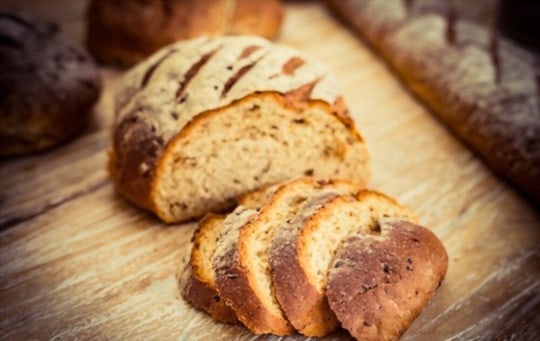
Both are bread, there are several differences between regular and Ezekiel bread.
The following are some of them.
- Ezekiel Bread is Brown.
There are, of course, other brown breads, and appearance isn't that important.
But it's the first aspect that we notice.
When you compare Ezekiel bread and regular bread, the former is brown while the latter is white.
- Ezekiel Bread Contains Sprouted Grains.
Unlike regular bread, which has flour, Ezekiel bread has sprouted grains.
The sprouting breaks down the grain, releasing enzymes that allow the better absorption of vitamins, minerals, carbs, and protein in the body.
Sprouted grains also have more fiber, protein, and glycemic index.
- Ezekiel Bread Contains Six Grains and Legumes.
Regular bread typically contains only one grain, but Ezekiel bread has at least six sprouted whole grains and legumes, all of them sprouted.
The usual grains in the bread are wheat, barley, millet, spelt, soybeans and lentils.
So, you get more nutrients from Ezekiel bread than from regular bread.
The only negative aspect about the former is that it has gluten.
- Ezekiel Bread Doesn't Contain Preservatives.
The majority of regular breads contain many ingredients which don't help your body in any way.
They have preservatives like cultured wheat starch, sweeteners, and other items.
But Ezekiel bread doesn't have any preservatives, and it's natural, pure, and fresh.
However, it's a high-carb bread.
So, if you don't have any intention of gaining weight, eat it only in moderate amounts per day.
For a contrasting example of a preserved, tangy bread pairing, bread and butter pickles flavor guide explains how sweet-and-tangy pickles change bread-based sandwiches.
Taste Description of Ezekiel Bread
Ezekiel bread is undoubtedly among the healthiest of its kind.
It's also a delicious bread that tastes great with many different spreads.
Besides, you can eat it in several ways.
So, besides getting plenty of nutrients, you get to enjoy its flavor as well.
You can toast it and eat it with jam, jelly, butter, cheese, honey, or other items.
You can also make sandwiches and anything else which you use regular bread.
But since it contains gluten, those who have problems with it should think before consuming it.
Potato-based loaves offer a soft crumb that changes texture expectations. potato bread taste revealed explores that difference. Traditional starters rely on slow fermentation for tang and chew; sourdough bread taste explained breaks down those signature notes.
Frequently Asked Questions
This one's different, packed with nutrients and a unique flavor that'll have you curious from the first bite. Made from sprouted grains, it brings a nutty, slightly sweet taste that's anything but ordinary.
Keep reading to unlock the secrets of its taste and why it might just be the refresh your morning toast needs.
The texture of Ezekiel Bread depends on how it is prepared. Raw, cooked, and processed forms each offer a distinct mouthfeel that changes the overall eating experience.
Is there a strong smell that comes with the taste?
Aroma and taste are closely linked.
A strong smell usually signals an equally bold flavor.
If the smell is mild, expect a subtler taste that becomes more apparent with seasoning.
Depends on the ingredient. Some improve dramatically with heat, developing sweetness or losing bitterness.
Others are best raw, where cooking dulls the brightness that makes them worth trying.