
In cultures around the world, fish eyes are not wasted; instead, they are enjoyed.
However, western culture does not consider fish eyes a nutritional delicacy.
So, people living in the US might not be used to the idea of incorporating fish eyes into meals.
They are removed and thrown out as trash, wasting perfectly good food.
Fish eyes are indeed edible, so you can start separating them from other inedible parts of the fish.
You can start savouring this dish that's highly popular in places like China, Sri Lanka, & Russia.
But first, what do fish eyes taste like? We will discuss that and how you can prepare them
What are Fish Eyes?
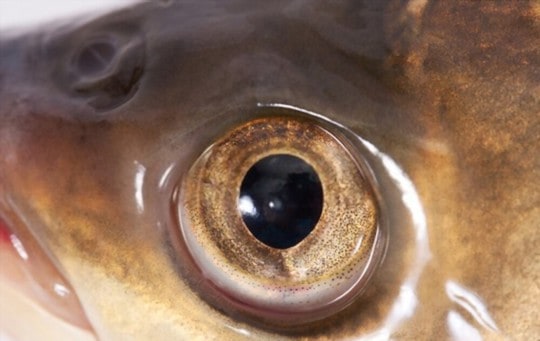
In many parts of Asia, fish eyeballs are surprisingly a comfort food - similar to fish cake flavor guide for comfort.
Some even believe that they help in improving vision and intelligence.
The heads and tails of fishes reflect good luck, according to several Asian countries.
But what exactly are fish eyes? Well, fish eyes are just like the eyes of a human being.
They are primary components of the fish's sensory system and provide vision to them.
Once taken out, they are soft and gooey in texture.
Although the precise feel of fish eyes can differ from fish to fish, it depends on whether the fish lived under fresh or saltwater.
They can taste different because of the salinity levels and also vary in size.
China defines fish as a whole, especially fish eyes, as the main course without leaving any part discarded.
In Russia, they include fish eyes in their broths and soups and call these their staple foods.
Spanish people make thick and delicious sauces with fish eyes as well.
What Do Fish Eyes Taste Like?
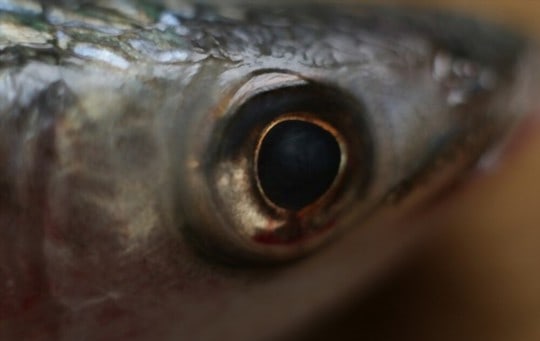
In various countries within the west, the people consider fish eyes a culturally taboo food item to eat.
This is only because they are misled by their looks.
If people allowed their tongues to be the judge, fish eyes would be normalized as a delicacy in many eateries - much like an opah fish complete flavor guide that highlights unexpected delicacies.
As mentioned, the flavors and texture of fish eyes can be different depending on where the fish used to live.
The outer part of the eyes is delicate and sticky to touch.
When bitten into, the eye feels like gum but has an inner core that is crunchy.
The middle of the fish eyes has a texture that is compared to wafers.
The eyes explode in the emission of umami-like taste with a rich flavor.
It's recommended to leave the eyes in your mouth and let the fatty taste dance with the gel-like, spongy surface on the platform of your tongue.
Some people have familiarised the taste of fish eyes with that of a raw oyster.
In contrast, others have gone on to further explain its flavour profile as a grape that is fish-flavored.
Whatever the flavour may be, you'll be delighted to know that they come packed with several benefits.
Fish as a whole is a nutritional meal, but fish eyes are exceptionally high in nutrients.
Within them, they gather protein, vitamin A, and omega-3 fatty acids.
These help with night blindness & boosting bone strength.
There are unsaturated fats, including EPA & DHA, and these defend the human brain by stimulating it and protecting it against memory loss.
How to Prepare and Cook Fish Eyes?
Several cuisines love including fish eyes due to their inexpensive costs.
With the growth of globalization, these excellent food trends are slowly making their way into societies in the western part of the world.
Fish eyes and other flavorful ingredients have appeared on the menus.
But if you're going to prepare some fish eyes in the comfort of your own place, then you should make sure to cook them properly.
If not cooked or cleaned with thorough care, there might be chances of you developing gastrointestinal problems.
You also need to ensure you're not allergic to fish, so consult your doctor before eating.
With precautions out of the way, you can clean them properly and eat them raw or cook them - sometimes finishing dishes with fish sauce flavor guide for pairing to boost umami.
You can boil them in the oven or boil them.
You can even fry them alone or with other ingredients added to the pan.
And if you want to taste the fish eye without actually biting into it, you can make the Russian favorite's fish eye broth or fish eye sauce.
A popular soup dish originally from Russia is called Ukha, and this dish includes a codfish's head, vegetables and seasoning.
A simple recipe that you can enjoy in just a span of twenty minutes.
Taste Characteristics of Fish Eyes
Fish eyes are one of the many food trends that have gladly integrated into the western food culture.
They can be made in different ways and will grant you unique benefits when it comes to brain stimulation and vision.
Bask in the vivid taste of the fish eyes and let them stay in your mouth for that extra punch of flavor.
That fatty and rich umami taste is ready for a try.
You can travel to Asian countries and try them out in a restaurant you visit.
The next time you cook some fish you bought from the grocery store, be sure not to waste the eyes and include them in the meal.
Explore similar white-fish profiles with a skate fish taste profile that dives into delicate textures. For a firmer, everyday option, consult the whiting fish flavor breakdown.
Frequently Asked Questions
But first, what do fish eyes taste like? They can taste different because of the salinity levels and also vary in size.
As mentioned, the flavors and texture of fish eyes can be different depending on where the fish used to live.
Some people enjoy Fish Eyes right away while others need a few tries. The flavor can grow on you, especially when paired with familiar ingredients in a dish you already like.
Does it taste different depending on how it is prepared?
Preparation makes a significant difference.
Raw, roasted, fried, and steamed versions each bring out different qualities - sweetness, bitterness, earthiness, or richness - in the same ingredient.
Yes. Different cultivars, origins, or processing methods produce meaningful flavor differences.
If one version did not appeal to you, trying a different variety is worth the effort.