
Guinea pigs- some cultures keep them as pets, while some consider them a delicacy.
And today, we'll be looking at them from a culinary perspective.
South American cuisine, particularly Peruvian and Ecuadorian, are famously credited for introducing the world to the use of guinea pigs for culinary purposes.
Today it is a staple in many regions around the world.
What do guinea pigs taste like? The answer may get your mouth watering, so let's find out.
What is Guinea Pig?
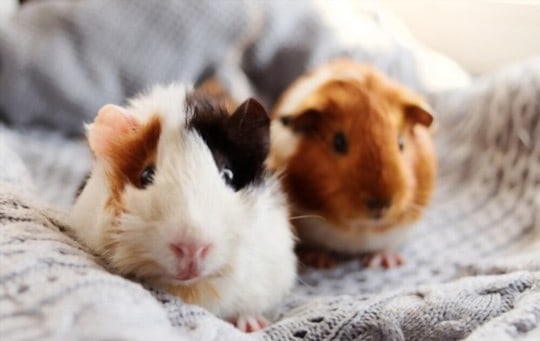
Although their name suggests it, guinea pigs aren't pigs, nor do they have anything to do with the country Guinea; they're fluffy rodents that look adorable.
While it may be hard for many to try turning these pets into food, you'll know they're worth the courage you put in.
Besides, some regions keep them not as pets but as protein sources for their diets - compare with how guinea fowl taste profile explained describes another regional protein.
milar local proteins include guinea fowl eggs taste guide.Peruvians love to consume guinea pigs; they even nicknamed them 'cuy' (pronounced 'kwee') because of the wheeking sounds they make.
The idea of eating guinea pigs may disgust you, but environmental activists consider them a carbon-friendly alternative to beef.
Also, they're pretty affordable when compared with other high-protein meats.
So, you'll find guinea pig farms on the rise to minimize the environmental impacts caused by grazing cattle.
Since these rodents can live off kitchen scraps, they don't require much maintenance as regards food.
What Do Guinea Pigs Taste Like?

Guinea pigs can taste anywhere between rabbit meat and duck.
And the most common comparison that many like to make is chicken.
You cannot tell them apart if you're eating them boneless.
Both guinea pigs and chicken meat are rich sources of protein and low in fat.
However, a guinea pig's meat feels oily and gamey compared to chicken.
Its texture is also tougher than chicken, which is one way to differentiate the two easily.
If you're into game meats, you've probably tasted a rabbit, and knowing its taste will help you figure out what a guinea pig would taste like.
But rabbit has a meatier texture.
Now, if you're wondering why people are so attracted to their taste, be reminded that taste alone doesn't make them a favorite meat.
Guinea pigs are sources of vitamin B and omega-3 fatty acids, which are reason enough to make anyone want to try them.
The meat of a guinea pig can improve brain function and help with arthritis.
The asparagine in their meat also helps fight cancer.
So, they aren't just a treat for your palate; your health loves them too.
Since guinea pigs are fairly easy to raise, you might want to consider keeping a few, not as pets, but as food.
If you wish to savor the taste of guinea pigs, it's best to eat them with your hands.
Yes, your hands will get messy, and you'll probably have some weird looks directed at you, but it's simply the best.
How to Cook and Serve Guinea Pigs?

Here are some ideas to entertain you with a delicious guinea pig meal:
Deep-fry: If you like the sound of crackling pork skin, you might be interested in using the same method to cook guinea pigs.
Serve them with spicy salsa or fluffy potatoes for the best meal combo - or pair with 22 veggie sides that cook under 12 minutes for speedy finishing touches.
Stew: To make a guinea pig stew taste its best, lightly fry them before adding them to the broth.
It will also reduce the time required to cook vegetables and meat.
Garnishing the stew with crushed nuts will give it a pleasant aroma.
Deep-fried in batter: This method best works for those that cannot pluck up the courage to eat guinea pigs.
Simply cook the meat until tender, coat them in a batter, and deep-fry them until golden.
And there you have it, the unidentifiable meat of a guinea pig.
Roast: Roasting guinea pigs whole in ovens is a basic yet flavorful dish that needs nothing more than a few seasonings like garlic, oil, salt, and pepper.
Baking some potatoes with the meat will give it a delicious side dish when they're out of the oven.
Proper preparation is essential to cooking guinea pigs.
They're small, properly removing the hair will prevent stomach upsets and make them more presentable to eat.
Flavor Characteristics of Guinea Pig Meat
Guinea pigs make great pets, but they make better food.
That only applies if you're willing to discard the thought that you're eating a pet.
If you're still doubtful, you can easily camouflage their appearance with some handy cooking methods.
Breading them is the best way to conceal the meat and obtain all the nutrients that it has to offer.
Guinea pigs make great alternatives for beef, which is linked with several environmental concerns.
So if you wish to be that individual that is highly mindful of the environment, switching your meat preferences can be the answer.
Cuy and guinea pig preparation highlight regional differences. Cuy vs Guinea Pig differences outlines those distinctions. Many rustic pork-style dishes share sides with stuffed snacks - pigs in a blanket side dishes lists complementary accompaniments.
Frequently Asked Questions
Besides, some regions keep them not as pets but as protein sources for their diets. Guinea pigs can taste anywhere between rabbit meat and duck.
Both guinea pigs and chicken meat are rich sources of protein and low in fat.
The texture of Guinea Pigs depends on how it is prepared. Raw, cooked, and processed forms each offer a distinct mouthfeel that changes the overall eating experience.
Is there a strong smell that comes with the taste?
Aroma and taste are closely linked.
A strong smell usually signals an equally bold flavor.
If the smell is mild, expect a subtler taste that becomes more apparent with seasoning.
Depends on the ingredient. Some improve dramatically with heat, developing sweetness or losing bitterness.
Others are best raw, where cooking dulls the brightness that makes them worth trying.