
No, it is not your average dairy cheese.
In fact, there is nothing dairy about head cheese.
Ironic, isn't it?
If you haven't heard about the famous head cheese and wondering, "what does head cheese taste like?
This meat dish has been a delicacy all around Europe since the middle ages and will blow your mind with its weird texture yet very wholesome flavors.
Read on as we look closer into its taste profile, what this spectacular dish is made of, and how you can cook and serve it.
What is Head Cheese?
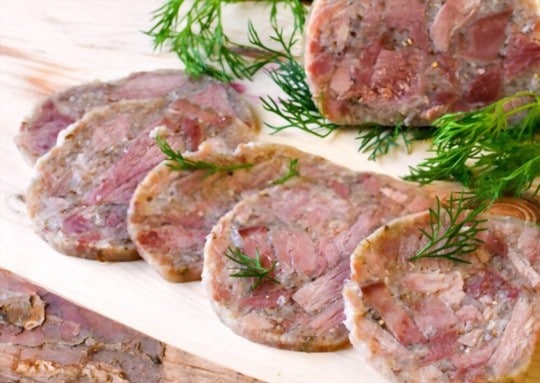
This delicacy, head cheese, originated from European countries, and it is a meat-based dish that is cooked, turned into a jelly-type form, kept in a cool environment, and served on its own or with sandwiches and bread - or try Boursin cheese taste guide for creamy spreads alongside it.
After it became popular as a great meat dish, there have been many variations in how it is made.
But the traditional style of creating this beautiful dish consists of removing everything inside the pig's head, including the organs, and cooking only the flesh or meat of the head.
Since there is high structural protein content, also known as collagen, in a pig's head, gelatin is formed once you simmer it down, which binds the meat together into its jellied form.
The traditional head cheese usually appears grey, but today, with the food coloring they add to this dish, they appear rather red and not grey.
Most people also prefer adding the tongues, feet, and hearts of the pig into the mixture for an even more enhanced fulfillment and texture.
If shredding meat or mixing fillings for terrines, the choice between a bowl-lift vs tilt-head comparison for mixers can affect ease of prep and capacity.
What Does Head Cheese Taste Like?
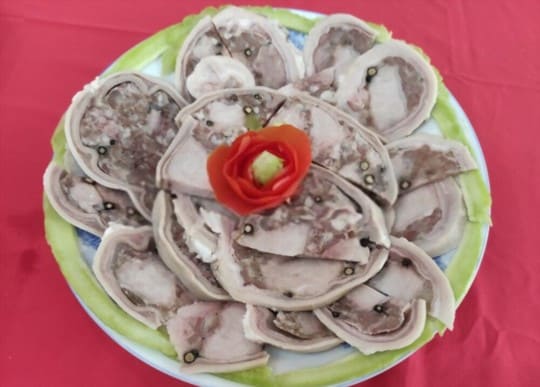
While there are numerous variations of head cheese in modern times, we can be clear about one thing.
Nothing beats the classics.
The several hours of cooking it takes for the meat to release enough gelatin do their job favorably, making this incredible meat dish taste extremely flavorful and meaty.
Both is it exceedingly tender, but head cheese is also usually used as a spread because of its richness.
You might feel like you're eating bacon since this meat cut has the resemblance and taste but in a jelly-like form.
However, even if they taste flavorfully porky, the way you cook head cheese often has a lot to do with its taste profile.
For instance, "souse," its alternative name, consists of preparing the pork in a pickled form along with vinegar.
While this method helps preserve and improve the savory taste profile of the head cheese, it also adds a mild sourness to it.
Another way head cheese taste may vary through the seasonings and herbs used in the preparation or cooking time.
Most chefs may prefer using their own various spices, and the meat dish would be packed with intense flavors like mildly tangy, peppery, or extra hot, depending on the occasion and their preferences.
The different types of meat cuts added to it also contribute to its taste profile.
But whatever the case, the traditional way of cooking head cheese is simple, doesn't need artificial or natural ingredients to improve the savory pork, and packs the most flavor.
How to Cook and Serve Head Cheese?
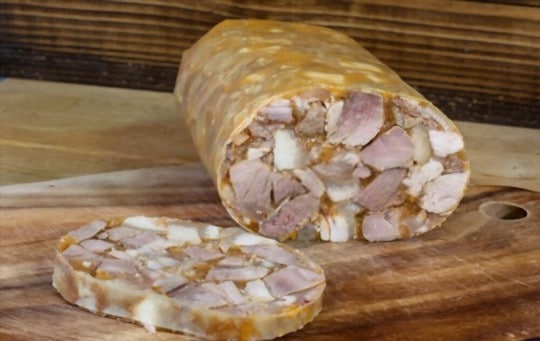
The traditional way of cooking head cheese is not hard to cook as you might think.
All you need is a little dedication and love for the craft, and you'll have yourself the perfect flavorful pork head cheese readily served with your favorite side - consider veggie sides that cook quickly to round the plate.
Follow the easiest steps of cooking the meat until it falls off the bones (head); you can also use meat parts like the tongue, feet, etc., to give it more gelatin or add flavor.
Making it into a jelly takes a while since it needs to cool off, but you simply pour the broth used for cooking the meat into a small tin or whichever box you prefer together with the meat.
Close it and place something heavy on top and let it cool.
This is one of the easiest recipes you can follow, and you can even add spices and herbs to improve the already savory pork dish.
Once everything is done, let it come to room temperature before you eat it and serve it as a side or a spread in sandwiches.
You can also serve it with hot toasted buns and sauces on the sides.
However, if you're not up for the task, you can order some packed head cheese from local retailers and have the best experience.
Flavor Experience of Head Cheese
Head cheese is insanely popular for all the right reasons.
They are extremely flavor-packed, go well with most dishes, and are here to take your palate on the ultimate journey of finding your next favorite recipe.
It is true that most people would stop in their tracks upon hearing what this meat dish is made of, i.e., pork head, or would be fascinated by its uniqueness and dive straight into tasting it.
We advise you to choose the latter route and experience the joy this meat dish brings to the table.
Explore mild, creamy textures with ricotta cheese taste notes and uses. For sharper, nutty profiles that complement meaty dishes, see Dubliner cheese taste guide for savory pairings.
Frequently Asked Questions
Well, if you haven't heard about the famous head cheese and wondering, "what does head cheese taste like?" we're here to help. This meat dish has been a delicacy all around Europe since the middle ages and will blow your mind with its weird texture yet very wholesome flavors.
Read on as we look closer into its taste.
Freshness matters. Head Cheese tends to have a brighter, more pronounced taste when fresh.
Stored or aged versions may develop mellower or slightly different flavor notes.
Significantly. Younger or less ripe versions are often sharper, more astringent, or more bitter.
As it matures, flavors typically mellow and deepen into something more complex and approachable.
Texture and taste are inseparable. A pleasant texture encourages slower eating and better flavor perception.
Off-putting textures - too mushy, too fibrous, or unexpectedly gritty - can make even good flavors less enjoyable.