
In the 16th century, a boulder of Himalayan salt with hues ranging from spring water clear to hibiscus pink to venison red emerged in a mineshaft in Pakistan and caught the attention of stonemasons, who then hand-cut it into several shapes.
A Himalayan Salt Block is a pink brick of salt similar to table salt but with extra minerals like magnesium, potassium, calcium, iron and sulfur.
Today, blocks of this salt are mined and shaped into various shapes and sold for their cooking ability.
Unlike regular table salt, the Himalayan salt block has a distinct flavour that many enjoy, thanks to the extra minerals it carries.
Both can these salt slabs be used to cook food, but they are also visually appealing platters.
So, how long does a Himalayan Salt Block last? Provided that it is cared for properly, this slab can last many years; it has no expiry date.
Caring for Your Himalayan Salt Block
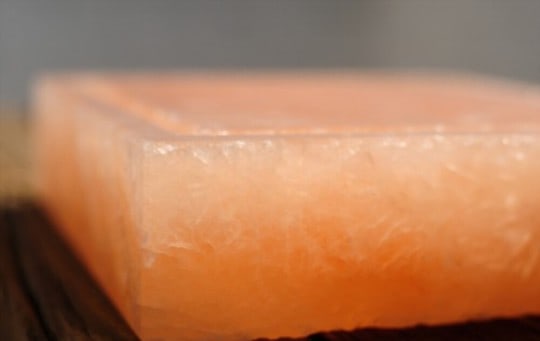
As long as a Himalayan Salt Block is all-natural and without any added chemicals and is well cared for, it can last for many years; it does not have an expiration date - similar to Epsom salt shelf life guide that explains long-lasting mineral products.
An authentic block is not subject to spoilage as it is a mined mineral that was once part of the earth's crust for millions of years.
If not for the heat and pressure from machines during mining, minerals cannot degrade and this applies to the Himalayan Salt Block.
If you acquire a pure block and care for it properly, it can last for many decades without going bad or losing its flavour.
The infinite shelf life is guaranteed only if the Himalayan Salt Block is pure, meaning that it is not combined with other seasonings and herbs and is stored and cared for well.
- In a pantry, the shelf life of the Himalayan Salt Block is limitless on the condition that it is uncontaminated and is stored correctly, away from moisture. .
- Similarly, the shelf life of this block in the fridge is boundless, provided that the mentioned conditions are met. Failure to properly store these blocks can cause problems like mould growth, the slab producing a weird smell and unnatural discoloration of the brick.
- Himalayan Block Salt can be frozen making it perfect for serving cold desserts, raw fish and other foods that need to be served cold.
Remember that the longevity of your slab of salt will be mainly affected by its purity so when purchasing, make sure you get a pure block of Himalayan salt.
According to health experts, although the shelf life of a Himalayan Salt Block is infinite, it is advisable to replace it or regrind its surface at least every 2 years for optimal health and to ensure a proper smooth surface for food contact.
How to Tell if a Himalayan Salt Block is Bad?
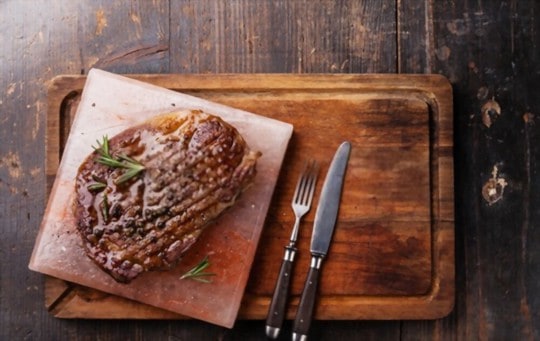
Even though a Himalayan Salt Block's longevity is unbounded, it can spoil due to various elements rendering it unusable and if the slab continues working, it won't be as efficient.
Some of the signs that indicate an unusable Himalayan Salt Block include;.
- Mould on the surface of the block - Mould develops when the slab's purity is affected as a result of being stored near water sources or in humid places.
- A discoloured Himalayan salt block - This is due to the slab having impurities from not being heated properly or being exposed to excess water. .
- An odd smell that isn't the natural scent of Himalayan salt - The main reason why a salt block will smell weird is because of impurities and therefore it has to be discarded.
- If the Himalayan Salt Block has a yellowish tint or a foggy appearance throughout its surface - This is also due to impurities and although the block might still work, it'll conduct less heat to the food. .
It is important to discard a spoiled Himalayan Salt Block as it might cause food poisoning and other health issues if you continue to prepare your meals with it.
Regularly check for the signs discussed to ensure your salt block is still usable.
Also, to keep your Himalayan Salt Block from spoiling; ensure you clean it thoroughly after usage to avoid bacterial infestation, dry it completely after cleaning, store the slab away from water sources and avoid cooking greasy meals with it.
How long a sandwich keeps varies widely; sandwich shelf life overview provides typical timelines. Storage affects oils too; avocado oil shelf life details explains how to tell when oil has gone bad.
Frequently Asked Questions
In the 16th century, a boulder of Himalayan salt with hues ranging from spring water clear to hibiscus pink to venison red emerged in a mineshaft in Pakistan and caught the attenti...
Look for changes in color, texture, or smell. Mold, an off odor, or a slimy surface are the clearest signs it has spoiled and should be discarded.
Freezing extends shelf life but can affect texture. Ingredients with high water content often become softer after thawing.
This matters less in cooked dishes than in raw applications.
Yes. Early spoilage can be subtle - a slight change in color, a faint off-smell, or minor texture changes are easy to overlook.
Inspect closely before using anything near its limit.