
Vegetables are one of the best things to turn into condiments, and horseradish is no exception.
But what does horseradish taste like? Eat some horseradish, and you'll feel a hot and spicy feeling in your throat.
The flavor of horseradish is hot and spicy, but it does not put your tongue on fire.
It has a distinct spicy flavor that you'll feel through your nose and sinuses instead of your tongue.
From being served as a condiment to various dishes like roasted beef to salad dressing, horseradish is an amazing root vegetable that will add some spice and flavor to your dishes.
What is Horseradish?

Horseradish is a perennial root vegetable that belongs to the Brassicaceae family.
It belongs to the same family as wasabi, mustard, cabbage, radish, and broccoli.
It is believed that horseradish is native to western Asia and southeastern Europe.
People cultivate horseradish to serve as a condiment for various dishes.
The root of horseradish is the edible part.
It is white with brownish skin, and the spicy taste turns bitter when it's cut and left over time.
Horseradish pulled straight from the soil has little to no scent.
You need to cut or crush the roots to release an oil that is responsible for the flavor and spiciness.
The spiciness of horseradish opens and clears your sinuses rather than irritates your tongue.
Raw horseradish has a spicy and strong pungent smell that not everyone likes.
So, it tastes best when it is used as a condiment to improve the flavor of another dish.
You can find horseradish in condiments and dried or powdered forms.
The bright, sharp oils released from crushed horseradish contrast with sweet flavors; for dessert pairing inspiration, consider lemon dessert pairing ideas that use citrus to balance richness.
Horseradish Flavor and Culinary Uses
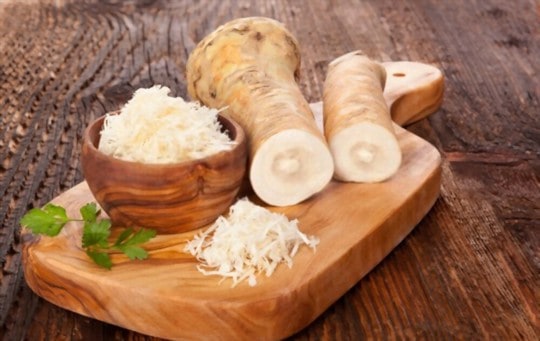
You can describe the flavor and taste of horseradish as hot and spicy.
But this spiciness affects the nose, eyes, and sinuses more than the tongue.
It is a great condiment to add to a dish when you have a cold or stuffy nose.
Horseradish is better known for its spiciness.
But when it comes to the flavor, it is a fresh and crisp hint of mustard.
Adding chopped or grated horseradish in vinegar will mellow the spiciness - see prepared horseradish vs sauce comparison for how forms differ in heat and texture.
The flavor of horseradish is quite strong.
Its effect is similar to onions that cause tears while choosing them.
So if you're using it as a condiment, make sure you don't add too much of it so that it doesn't overpower the flavor of the main dish.
Eating raw horseradish isn't everyone's cup of tea.
Most people would gag at the strong and pungent smell of the vegetable.
So, it is best used as a condiment to complement other platters.
Horseradish sauce has a milder flavor than the vegetable itself.
It enhances the taste of so many dishes that range from seafood to meat and vegetables.
This makes it an essential condiment in every kitchen that sees lots of cooking.
The closest vegetable with a similar taste and flavor to horseradish is wasabi and mustard.
It is usually served as a substitute for wasabi.
In addition to being a spicy condiment, there are multiple health benefits of eating horseradish.
So, if you love the taste of this root vegetable, eating them will prove beneficial in a variety of ways.
How to Cook and Serve Horseradish?

No matter what you're serving, horseradish makes a good complement to many dishes making it quite popular - try it with quick veggie sides under 12 minutes for fast, flavorful pairings.
Here are some of the most popular recipes that use horseradish.
If you want a tangy taste for your eggs, create a deviled egg with horseradish.
Scoop the yolks from a hard-boiled egg and stir it in mayonnaise with horseradish, dill, mustard, and salt for taste.
Put the mixture back in the boiled eggs and sprinkle paprika over it.
You can prepare the cocktail sauce to dress the shrimp.
All you need to do is mix blended horseradish, lemon juice, brown sugar, Worcestershire sauce, salt, ketchup, and pepper, and the cocktail sauce is ready.
Serve it chilled.
● Tangy potato soup.
Add horseradish and sour cream to your potato soup after you finish cooking it.
Blend the ingredients well before adding the final touches to the soup.
If you want to make a simple horseradish condiment at home, you just need to add blended horseradish to vinegar and some salt.
This sauce will go along perfectly with other meat platters like grilled pork and short ribs.
Some of the best foods that pair well with horseradish include sausages, hot dogs, meat, salad, sandwich, fish, and more.
How to Use Horseradish in Cooking
Now that you know what horseradish tastes like, are you ready to incorporate it into one of your favorite recipes?
You'll surely love this feeling of spiciness if you use the vegetable in a perfect balance.
If you want to savor the flavor that horseradish provides, you can buy pre-made horseradish or prepare your own at home.
Let this wonderful kitchen condiment spice up your dishes.
Frequently Asked Questions
But what does horseradish taste like? Eat some horseradish, and you'll feel a hot and spicy feeling in your throat.
The flavor of horseradish is hot and spicy, but it does not put your tongue on fire.
Several foods share flavor notes with Horseradish. Tasting similar items side by side is the easiest way to map out what you enjoy and find new favorites.
Can you adjust the intensity of the flavor?
Yes.
Pairing it with acidic, sweet, or fatty components shifts the perceived intensity.
A squeeze of citrus brightens mild flavors, while fats like butter or oil mellow sharper ones.
Avoid pairings that clash with its dominant flavor note. Competing intensities - very sweet with very sour, or heavy with delicate - tend to obscure rather than go with the taste.
5 BEST Substitutes for Horseradish lists practical swaps for recipes. prepared horseradish vs horseradish sauce comparison explains how different forms affect heat and texture.