
Summary of key points
The main difference between jelly powder and gelatin is their composition and use. Jelly powder, also known as Jell-O or gelatin dessert, is made from a combination of sugar, flavorings, and artificial coloring, along with gelatin as the main ingredient.
It is primarily used for making jiggly desserts like Jell-O molds.
On the other hand, plain gelatin is made from collagen extracted from animal bones and connective tissues. It is primarily used as a thickening agent in recipes like mousses, custards, and sauces.
Gelatin can also be used to make homemade gummies and marshmallows.
Also, jelly powder often comes pre-flavored and colored, while plain gelatin needs added ingredients for flavor and color. Some may also prefer jelly powder for its convenience and consistent results, while others appreciate the versatility of plain gelatin in cooking and baking.
Jelly powder and gelatin. Two staples in the kitchen that often lead to a mix-up.
T4What's the real difference?T5
Gelatin, derived from animal collagen, sets the stage for our favorite jiggly desserts.
Jelly powder, on the other hand, comes with flavors and sugar, ready to party. Ever mixed them up in a recipe? We have.
The outcomes are. memorable.
What is Jelly Powder?
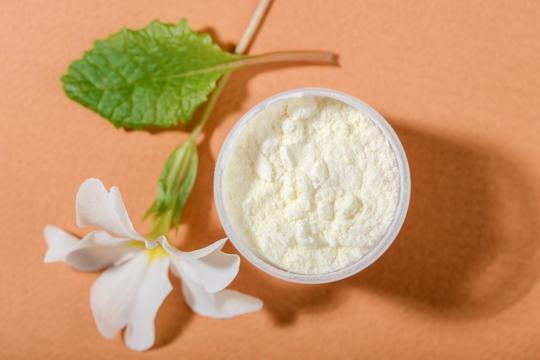
Jelly powder, also known as gelatin powder, is a common ingredient in many desserts and snacks.
Made from the collagen found in animal bones and connective tissue, jelly powder is a flavorless substance that when mixed with hot water and cooled, forms a gelatinous texture.
This flexible ingredient can be used in a variety of dishes from fruit jellies and marshmallows to savory dishes like aspic and pâté.
Whether you're an experienced home chef or a newbie in the kitchen, jelly powder is a must-have ingredient to add to your pantry.
So go ahead and explore the endless possibilities of this wonder ingredient and take your dishs to the next level.
What is Gelatin?
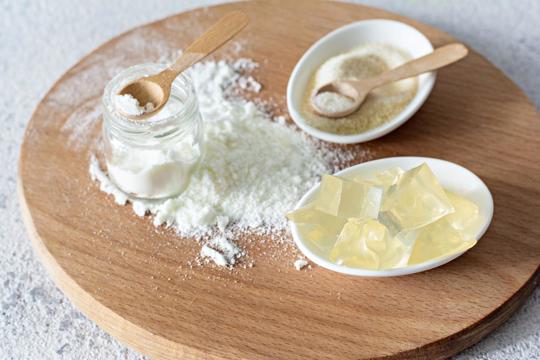
Gelatin, one of the most flexible ingredients used in many desserts and dishes, is derived from collagen, which is found in animal bones, tendons, and skin.
What might seem like a puzzling question about this chewy substance is, how is gelatin made?
Firstly, the raw materials are washed and treated with dilute acid which breaks down the collagen into smaller fibrous proteins.
The mixture is then heated, filtered, and dehydrated resulting in a translucent, power-packed substance.
This super detailed process makes it the perfect ingredient to add to your favorite recipe, but keep in mind that it's not vegan-friendly because of its animal byproduct origins.
However, if you're looking to add some mysterious intrigue to your meal, give gelatin a try.
Differences Between Jelly Powder and Gelatin
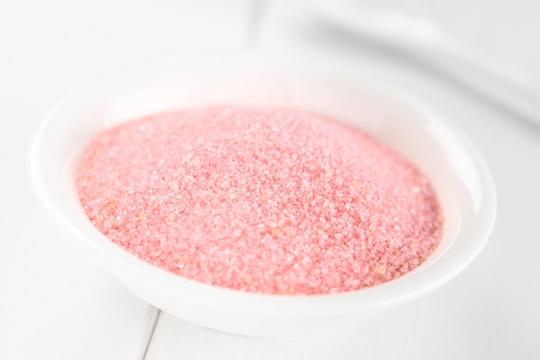
Jelly powder and gelatin may appear alike, but they have some big distinctions.
Source and Production
Jelly powder and gelatin appear alike.
Yet, their sources and production vary.
Jelly powder comes from plants, such as seaweed and vegetable gums.
It is processed by grinding, soaking, and filtering.
Gelatin is made from animal collagen.
This is extracted by boiling bones and connective tissues.
After that, the collagen is turned into sheets or granules.
Both products act as gelling agents.
But, their sources help pick the right ingredient for different diets or recipes.
Knowing the source and production helps select the right ingredient.
Texture and Consistency
Texture and consistency are important for treats.
In desserts, jelly powder and gelatin make big differences.
Jelly powder is smooth and light, creating a velvety feel with a hint of bounce.
Gelatin has a firm texture and makes impressive shapes.
Jelly powder adds a translucent appearance.
It also dissolves easily.
Gelatin has a yellow hue when set and opaque when mixed.
It needs more effort in preparation but it can make great creations.
Jelly powder gives treats a light and ethereal texture that melts on the tongue.
Gelatin provides a firmer bite with satisfying chewiness.
Different desserts can be made with either jelly powder or gelatin - from mousses to panna cottas.
Setting Process
Jelly powder and gelatin are distinct in their setting process.
Jelly powder is made from plant-based gelling agents, such as agar or carrageenan.
Activated by heat, it cools to form a jelly consistency.
Gelatin, however, is derived from animal collagen.
It needs hydration to set.
Both have their own advantages.
Knowing the setting process is key for the desired results in recipes.
Versatility in Recipes
Jelly powder and gelatin are two common ingredients in recipes.
Jelly powder, also known as Jello, is a flavored powder that sets into a gel-like consistency when mixed with water.
It's often used for desserts.
Gelatin, on the other hand, is a protein derived from animal collagen.
It's available as a powder or sheet and is used to thicken and gel both sweet and savory dishes.
The main difference between jelly powder and gelatin lies in their composition.
Jelly powder usually contains sugar, flavorings, and other additives.
Gelatin is just animal proteins.
This gives them different functionalities in recipes.
Jelly powder adds flavor and sets fast.
Gelatin adds thickness and stability.
Jelly powder has a wide range of flavors, making it great for colorful desserts or jellies.
It sets quickly, so it's perfect for chilled desserts like trifles or mousses.
Gelatin works for sweet and savory dishes.
It can thicken sauces, gravies, or make creamy panna cotta desserts.
Its ability to set at different consistencies makes it ideal for layered desserts like Bavarian creams or cheesecakes.
Jelly powder needs to be dissolved in boiling water before being chilled.
Powdered gelatin needs blooming or soaking in cold water, then dissolving in hot liquid.
Jelly powder offers flavor that sets quickly, and gelatin provides thickness and stability.
They both bring unique qualities to the table, so chefs and home cooks can explore many delicious dishes.
Similarities Between Jelly Powder and Gelatin
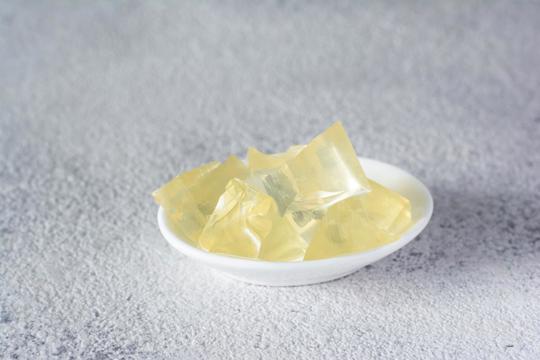
Jelly powder and gelatin have many common features.
Both are used for making desserts, jams, jellies and other foods.
When cooled, they give a firm texture.
They are both derived from animals: gelatin from bones and connective tissue; jelly powder from seaweed extracts.
So, they're suitable for people who follow certain diets.
They dissolve in hot water before being added to recipes.
This creates a smooth texture.
They provide solutions for chefs and home cooks alike, making it easy to make pleasant treats.
Applications and Culinary Uses of Jelly Powder and Gelatin
Jelly powder and gelatin are both handy ingredients for all sorts of cooking.
They have many uses that go beyond jiggly desserts.
In some recipes, they can be used interchangeably.
Jelly powder is great for making fruit jellies.
It dissolves easily in cold water, so it's ideal for recipes that need refrigeration or delicate flavors.
Gelatin, however, needs hot liquid to dissolve.
Both can be used as stabilizers in whipped cream or mousse, and to thicken sauces or bind ingredients.
But, dietary restrictions should be taken into account.
Gelatin comes from animal collagen, so it's not suitable for vegetarians or vegans.
There are plant-based alternatives that do the same job.
Jelly powder may also contain additives, so read the labels carefully.
Jelly powder and gelatin both have their own characteristics.
Knowing the differences will help you make the right cooking choices.
Considerations for Vegetarians and Vegans
Vegetarians and vegans have unique considerations when it comes to jelly powder and gelatin.
Here are some important points to keep in mind:
- Gelatin is made from animal collagen, so it's not suitable for vegetarians and vegans.
- Jelly powder is made from plant sources, like seaweed and agar-agar, which works for vegetarian and vegan lifestyles.
- Read labels carefully, as some jelly powders may contain non-vegetarian/vegan ingredients.
- 4. Gelatin-based and jelly-based desserts may have different textures and tastes. Try different recipes to find the right one.
- 5. When serving jelly desserts, cater to vegetarian/vegan guests with both gelatin- and plant-based options.
Also, jelly powder can be used for more than traditional desserts.
From vegan panna cottas to fruit jellies, this ingredient offers veggie/vegan culinary treats that won't compromise on taste or ethics.
Using Jelly Powder vs Gelatin in Recipes
Jelly powder and gelatin have different traits.
Jelly powder is a vegetarian substitute for gelatin, made from agar-agar and other plant-based ingredients.
It has a similar texture and consistency as gelatin, but is derived from animal sources such as bones and connective tissues.
Jelly powder offers many flavors and sets quickly without the need for refrigeration.
Gelatin, however, needs to be chilled for hours before it sets.
Plus, it's not necessary to use hot water with jelly powder; it's a time saver.
But there are some things to consider when using jelly powder.
It may not set as firmly as gelatin, so the final product will be a bit different.
Also, recipes that involve lengthy cooking or high temperatures, like baked goods, may not be suitable for jelly powder.
Frequently Asked Questions
The main difference between jelly powder and gelatin is their composition and use. They share some similarities but each has qualities that make it better suited for certain recipes.
Sometimes. Jelly Powder works where Gelatin is called for in certain dishes, but not all.
Check whether the recipe relies on a specific quality before substituting.
Cold preparations like salads and dressings often favor the option with a sharper, more defined flavor. Heat can mellow both, so the distinction matters more in uncooked dishes.
Do professional cooks prefer one over the other?
Professional preference depends heavily on the dish and cuisine style.
Each has its context where it outperforms the other, so most experienced cooks keep both on hand.