
Summary of key points
If you've ever tried Scandinavian pastries, you may have come across both kringla and kringle. While they may sound similar, these two treats are actually quite different.
Kringla is a soft pretzel-like pastry made with flour, sugar, butter, and cardamom. It's often shaped into a knot or twisted shape and can be topped with powdered sugar or almond slices.
On the other hand, kringle is a flaky pastry made with layers of dough and butter, similar to croissants. It's typically filled with ingredients such as fruit, chocolate, or nuts and can be shaped into a pretzel-like shape or a ring.
Both pastries are delicious in their own way and are popular treats for special occasions or everyday snacking.
Kringla and Kringle often cause mix-ups. Both hail from Scandinavia, bringing their own twist to pastries.
Kringla is like that friend who loves yoga - twisty and soft. Kringle?
Think of a crown, flaky and often filled with almond paste. We've munched on both, debating our favorites.
Each has a story, a flavor that's distinct. They're not just pastries; they're a trip to Scandinavia, minus the airfare.
Next time you see them, give a nod to their heritage. And maybe, pick one of each - no judgments here!
What is Kringla?
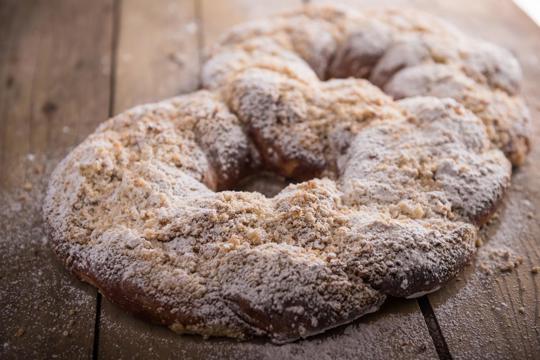
Kringla is a traditional Norwegian pastry that has been delighting palate for generations.
Its unique pretzel-like shape is made with flour, butter, and sugar, then baked to golden perfection.
Its softness combined with a nice crunch make it a worldwide favorite.
What sets Kringla apart from Kringle is its Scandinavian roots.
While they look similar, they each have a different cultural background.
Kringla's flavor comes from its traditional ingredients and preparation methods that have been passed down through generations.
This savory treat has become popular outside Scandinavia for its presentation and taste.
With every bite, one can enjoy the history of this beloved pastry, as well as the skill and craftsmanship that goes into making it.
What is Kringle?
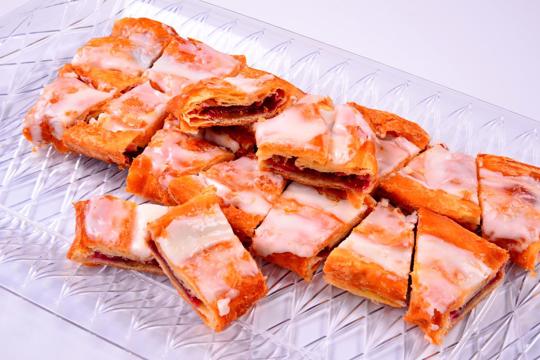
Kringle is a traditional Danish pastry that stands out for its unique shape and scrumptious taste.
It is made with flaky dough and filled with various fillings like almond paste, fruit preserves, or cream, and usually topped with icing or powdered sugar.
It is mostly savored during holidays or special events, and its creamy flavor is a top pick for pastry fans.
Kringle has been around for centuries and has evolved to become a much-loved treat everywhere.
One remarkable thing about Kringle is its flexibility in flavors.
While the typical version has almond paste filling, there are many variations to suit different preferences.
Some popular flavors are raspberry, apple, chocolate, and cinnamon.
Each flavor adds a new twist to the classic pastry, making it an awesome choice for dessert devotees.
Kringle also has cultural importance.
It comes from Denmark, and is significant in Danish traditions and festivities.
During holidays, families usually come together to savor this pleasant treat while exchanging warm wishes and creating lasting memories.
All in all, Kringle is more than a pastry; it stands for joy and unity.
With its flaky texture and delicious fillings, it continues to charm people's tastebuds around the globe.
Whether devoured on a special day or as a daily treat, Kringle remains a beloved pastry that brings happiness to those lucky enough to relish its yummy flavors.
Differences Between Kringla and Kringle
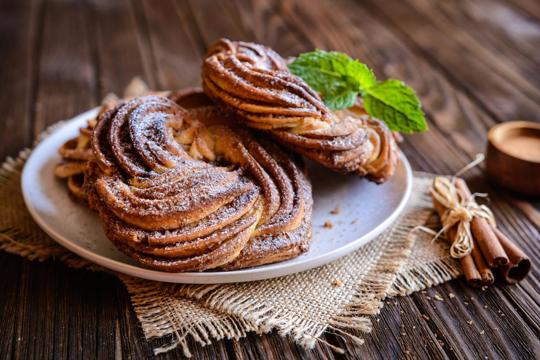
Kringla and Kringle might sound alike, but they are actually quite different.
Origin and Cultural Background
Kringla and Kringle have unique backgrounds that make them special.
Kringla comes from the Nordic region and has a Viking-style shape.
It's been around for centuries. Kringle is from Denmark.
It's made of flaky pastry, with sweet or savory fillings. It's often shaped like an oval or pretzel.
Both have diverse origins and different flavors. They are beloved all over the world.
Ingredients and Preparation
Kringla and Kringle - they may sound similar yet they are distinct in their recipes and making.
Kringla, from Scandinavia, is a blend of flour, sugar, butter, eggs, and cardamom.
It is formed into a circle with a hole in the middle like a pretzel.
This dough is twisted and then baked to a golden hue.
Enjoy it with coffee or tea - light and sweet.
Kringle is from Northern Europe and is made of a mix of flour, sugar, butter/margarine, yeast, and milk.
It is shaped like an oval or pretzel braid and filled with almond paste, fruit preserves, or marzipan.
After baking, an egg wash gives it a glossy finish.
Kringla dough is left to rest overnight for the flavors to develop.
But Kringle offers variations like nuts and cheese-filled fillings.
Both pastries are unique and rich in culture.
Kringla is light and sweet whereas Kringle is indulgent and versatile.
Which one will you choose?
Shape, Size, and Presentation
Kringla and Kringle have distinct shapes, sizes, and presentations.
Kringla is twisted and knot-like and usually smaller.
Its toppings can include glaze or sugar, and detailed designs.
Kringle is round-shaped and known for its flaky layers.
It can have a filling of fruit or nuts which further adds to its appeal.
Both make a nice treat for any celebration.
flavors and Taste
Kringla and Kringle both offer unique experiences.
Kringla is a traditional Norwegian pastry.
It has a sweetness with hints of cardamom.
Kringle is a Danish pastry with flaky layers and a rich filling of almond paste or fruit preserves.
Kringla offers restrained sweetness with warm, aromatic cardamom.
Kringle has a wide range of flavors in its filling.
It can be almond paste or raspberry or apricot preserves.
Its buttery layers create an irresistible combination.
Kringla has a soft, dense texture. Kringle is light and flaky.
They both offer pleasant experiences, but with different mouthfeels.
Similarities Between Kringla and Kringle
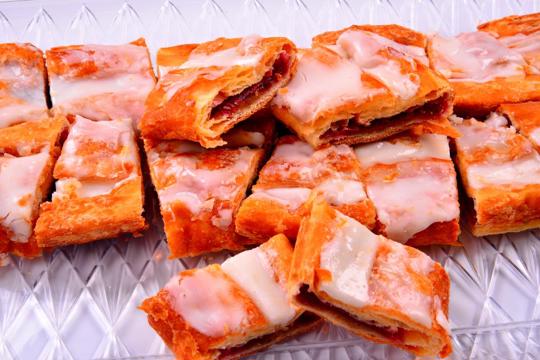
Kringla and Kringle look alike.
They have a doughy texture that is soft and fluffy.
They have a circular shape which is attractive.
Kringla comes from Scandinavia but Kringle is from Denmark.
They can be different flavors and fillings.
But, they both give a nice treat to pastry lovers everywhere.
Serving and Occasions
Serving & Occasions: When it comes to serving and occasions, Kringla & Kringle differ.
Kringla is often served as a breakfast/brunch pastry.
It has a soft, twisted shape & is usually flavored with cardamom.
Kringle is a Danish pastry from Scandinavia.
It's usually served as a dessert or with afternoon coffee.
It has a flaky, layered texture & can be filled with sweet fillings like almond paste, preserves, or chocolate.
Both are yummy but their flavors & presentation make them fit for different occasions & times of day.
Popular Varieties of Kringla and Kringle
Kringla and Kringle might sound similar, but they're unique.
Kringla is a Norwegian pastry, usually twisted with a soft texture.
Kringle is Danish, often shaped like a pretzel.
Cinnamon kringla is popular, often eaten during the holidays.
Almond kringla is also common, with a delicious almond filling.
They're usually served with coffee or tea.
Kringle comes in various flavors, like raspberry, almond, and chocolate.
Raspberry kringle has a fruity and tangy taste.
Almond kringle is filled with marzipan and topped with roasted almonds.
Chocolate kringle is rich and indulgent.
Kringla and Kringle have been enjoyed for generations.
There may be regional or seasonal variations offering new twists.
Different fillings and toppings create unique flavors.
Taste and Origin: Kringla vs Kringle
We have explored the differences between kringla and kringle, two desserts with similar names that might be easily confused.
We discussed their commonalities and their more distinct features, such as the origin of each dessert, the ingredients used in each (or lack thereof) recipe, and the various shapes these desserts can take on.
As we have seen, kringles are a Danish-style pastry usually shaped in an oval or pretzel formation from Wisconsin while kringlas stem from Sweden and are often coiled into a "S" shape.
They share common elements like egg white icing and spices, both offer unique flavors with cinnamon dominating the kringle while cardamom adorns the kringla.
Frequently Asked Questions
While they may sound similar, these two treats are actually quite different. They share some similarities but each has qualities that make it better suited for certain recipes.
In many recipes, yes. Kringla and Kringle fill similar roles, though each brings its own character.
Try a small test batch before committing to a full swap.
Availability varies by region. One is usually a standard grocery store item while the other may require a specialty or international market depending on where you live.
Can a beginner tell the difference by taste?
In a side-by-side tasting, yes.
The difference becomes less obvious when mixed into a recipe with other ingredients.
Most people notice the distinction more clearly on its own.