
Ever bit into something and thought, "What on earth is this?" That's lotus root for you. It's crunchy, with a hint of sweet and bitter.
We've been there, too. Munching away, wondering if it's a potato's long-lost cousin.
It's not, by the way.
Lotus root, folks. It's the tuber of the lotus plant.
A kitchen magician in Asia. High in nutrients and low in calories.
Our first encounter? A salad. Fresh, crisp, and so darn refreshing.
Give it a try. Fried, boiled, or stir-fried, it's a solid option.
What is Lotus Root?
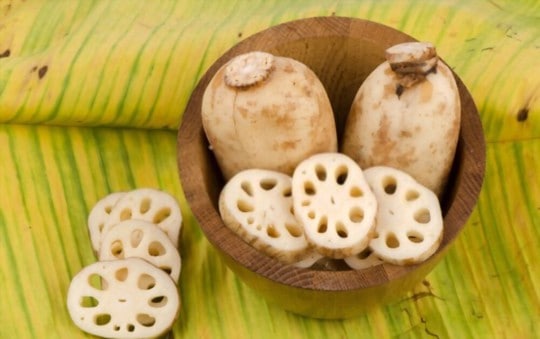
Many of you might be synonymous with the lotus as an aquatic flower known for its distinct shape and beauty.
Lotus root is found beneath the water in sand and slit.
This root is also called Chinese white carrot and is used in traditional Chinese medicine.
This root has an earthy aroma similar to an almond's scent with a crunchy, juicy, and soft texture.
The shape of the lotus root is like a potato but in an elongated form.
Also, the lotus root is divided into two types: red and white.
A red lotus root has seven holes, while a white one has nine holes.
Nine-hole lotus roots are suitable for frying and salad dressing because of their crispier texture and slimmer outlook.
Seven-hole lotus roots are bigger with higher content of starch.
Red lotus root is suitable for making soup and stew.
It has lower water content, making it unsuitable for frying or cold dressing.
When using lotus root in sweet preparations, keep in mind which flavors shine with citrus-see lemon dessert pairing ideas to match bright accents.
Taste and Culinary Uses of Lotus Root
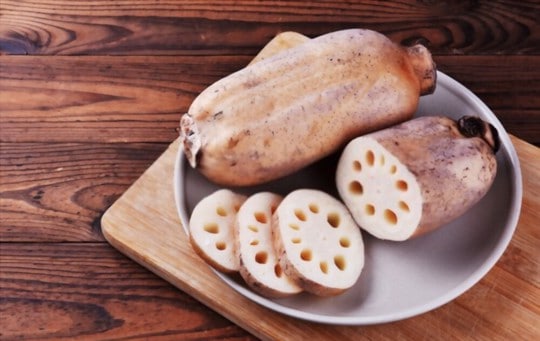
If you're into Japanese or Chinese cuisine, you will notice this plant in most of their dishes.
This root is used in Asian cuisines to add flavor to curries, sauces, and soups.
This flexible vegetable tastes like a potato, while some compare it to taro.
It has a mild flavor with a sweet taste - similar in sweetness to acai berry taste notes.
It's similar to celery and water chestnuts.
You can have this root raw in a salad or stir fry with other vegetables.
Unlike other vegetables, this perennial plant is tough, and it retains the crunchiness even if you cook them.
Also, lotus root is a rich source of potassium, fiber, vitamins, and minerals.
It also contains various amino acids, including arginine and lysine.
The inclusion of potassium helps to regulate your blood pressure.
Also, this root has carbohydrates, and most calories come from this nutrient.
So, this root is not recommended for the keto diet.
It also contains vitamin C, which is essential for your body.
And the combination of carbohydrates and fiber keeps your digestive process sound.
This plant has excellent nutritional value, and some of the health benefits are:
- It nourishes your hair and skin.
- Promotes and improves your digestive system.
- Great immunity booster.
- It helps in reducing weight.
- It helps to reduce your stress level.
- Helps in proper blood circulation.
- It helps to maintain your blood sugar and cholesterol level.
Best Way to Cook/Use Lotus Roots
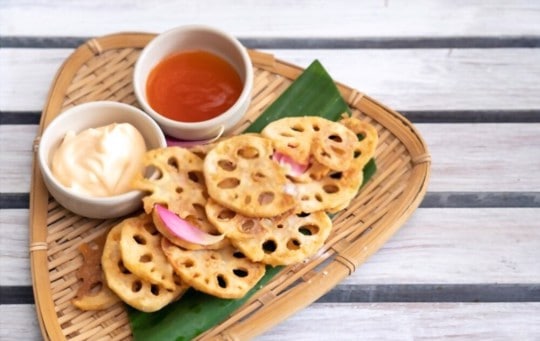
You can cook lotus roots in various ways.
From stir fry to salad, there are ample choices that you can try.
For instance, Lotus root chips are simple and easy to prepare.
You can also make soup or stew and have it with rice or noodles.
This flexible vegetable blends with most dishes because of its mild flavor.
However, it's advisable to choose the appropriate root before you start cooking.
Lotus root is available in two types, and both share a slightly different aspect.
If you want to make soup, we recommend red lotus root as it has higher starch content and is less crispy.
White lotus root is perfect for frying and cold dressing.
It has a refreshing flavor, crispier texture, and is smaller in size.
Understanding these aspects will help you cook better and produce an excellent result.
Note that a good lotus root should have an earthy and fresh smell.
Also, it should be devoid of bleaching or discoloration, plus it shouldn't have a rotten spot.
If the root smells like a chemical, you shouldn't buy it.
Choose lotus roots that are firm, hard, and not soft.
If you plan to eat raw lotus root, do thorough cleaning and washing.
This vegetable is prone to parasites and is usually found in aquatic plants, harmful to your body.
And if ingested, it can cause various health issues, including vomiting, fever, and stomach pain.
Cooking Tips for Lotus Root
Lotus roots are a delight to have, and you can cook this root in various ways.
Apart from its enriching taste, this plant offers multiple health benefits.
From improving digestion to reducing stress, this vegetable covers up all.
So, if you're looking for a root vegetable to include in your meal, lotus root is worth giving a shot.
It's easy to cook this plant, and you can eat it raw too.
But make sure to wash the root properly before consuming.
Hopefully, this article has helped you sort out what this vegetable tastes like and gain a better understanding of this perennial plant.
Root-adjacent tasting notes can broaden a menu sense: root beer tasting notes explores familiar sweet-bitter profiles. For other tuber comparisons, yuca root flavor guide details texture and starch-driven taste differences.
Frequently Asked Questions
It's crunchy, with a hint of sweet and bitter. This root has an earthy aroma similar to an almond's scent with a crunchy, juicy, and soft texture.
This root is used in Asian cuisines to add flavor to curries, sauces, and soups.
The texture of Lotus Root depends on how it is prepared. Raw, cooked, and processed forms each offer a distinct mouthfeel that changes the overall eating experience.
Is there a strong smell that comes with the taste?
Aroma and taste are closely linked.
A strong smell usually signals an equally bold flavor.
If the smell is mild, expect a subtler taste that becomes more apparent with seasoning.
Depends on the ingredient. Some improve dramatically with heat, developing sweetness or losing bitterness.
Others are best raw, where cooking dulls the brightness that makes them worth trying.